
Lieferung heute & morgen

Qualitätsgarantie

Willkommens-Angebote freischalten: KOSTENLOSE Lieferung | Bis zu 80 % RABATT | Kostenlose 30-Tage-JoyPlus-Testphase
App herunterladen
Frame cutting dies are an essential tool for DIY card making and scrapbooking. They allow you to create precise, repeatable designs that would be nearly impossible to achieve by hand. However, the market can be overwhelming, and not every product lives up to its photos. Before you make a purchase, it's important to understand the common pitfalls that can lead to disappointment and unusable craft supplies.
A frequent issue is poor cutting quality. The die might not cut cleanly through the paper, leaving frayed edges, or fail entirely with thicker cardstock. Another pitfall is misleading size specifications. A die that looks large online may turn out to be too small for a standard greeting card upon delivery. Finally, incompatibility with your die-cutting and embossing machine often leads to frustration.
This guide will help you avoid these problems and apply the right criteria to your selection.
To ensure your cutting dies deliver the desired results, you should check three core parameters: material, compatibility, and design complexity.
The durability and cutting performance of a metal die depend directly on the material used. Look for products made from carbon steel. This material is known for its hardness and edge retention, which results in consistently clean and precise cuts. Cheaper dies made from softer metal can bend during use in the machine or dull quickly. An indicator of good quality is sharp, well-defined cutting edges without any visible burrs or imperfections. These details are crucial for achieving professional-looking die-cuts for scrapbooking.
Nothing is more impractical than a cutting die that doesn't fit your machine. Before buying, always check the exact dimensions of the die and compare them with the maximum pass-through width of your die-cutting machine (e.g., Sizzix Big Shot, Cuttlebug, or similar models). Reputable product descriptions will provide the measurements in centimetres or inches. This is especially important for large card frames or border dies that are meant to cover the entire width of a card. Don't rely solely on product photos; measure your planned project (e.g., an A6 card) and check the dimensions accordingly.
Intricate patterns, such as those found in a window die or lace borders, are visually appealing but can be challenging to work with. The cut paper is often difficult to release from the die. A useful feature to look for is small ejection holes in the die. Through these holes, you can gently push the paper out with a pointed tool without damaging the delicate design. When choosing embossing folders for crafting or complex cutting dies, this is a critical advantage for a frustration-free crafting experience.
Based on these criteria, we have identified several products suitable for different applications and user profiles.
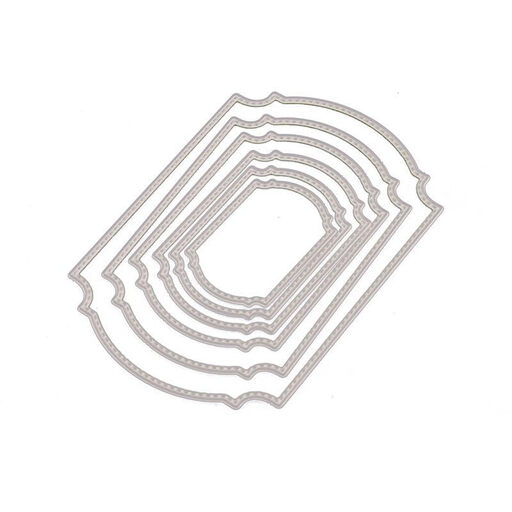
Why it's a great fit: Ideal for anyone starting with card making. This die set offers six nesting frame sizes, allowing you to experiment with layered looks and various card formats without having to buy many individual dies.
The set provides clearly defined, different sizes, thus avoiding the risk of purchasing a single die in an unsuitable dimension. The simple geometric shape is less demanding on cutting precision than intricate patterns.
The nesting design is versatile for creating frames, mattes, and windows in DIY card making.
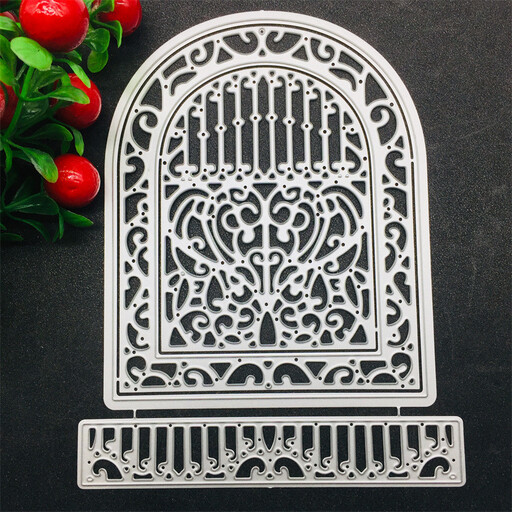
Why it's a great fit: Perfect for crafters working on a themed project like a wedding invitation, a new home card, or an elaborate scrapbook page. This window die creates an interactive element with high visual impact.
The detailed product name "Door and Window Frame" sets clear expectations for its complex design. Its size is intended to be a central element on a card, which reduces the risk of buying the wrong dimensions.
Enables the creation of cards with depth and 3D effects that stand out from standard cards. Ideal as a central design element.
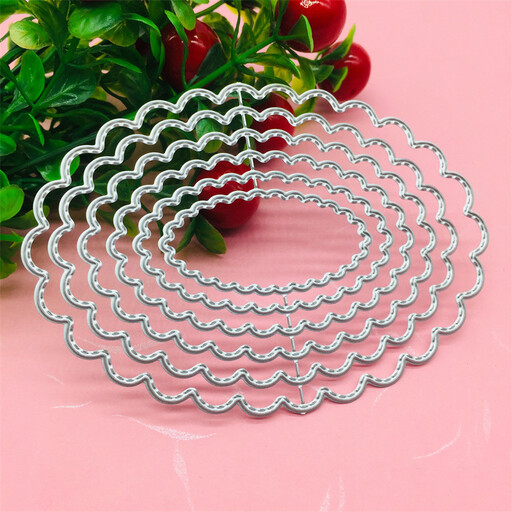
Why it's a great fit: For experienced crafters who want to elevate their projects with elegant, professional-looking details. The lace pattern lends a high-end, delicate aesthetic to cards and scrapbook layouts, making it especially suitable for formal occasions.
The "Lace Border" description prepares the user for a delicate cut that may require more care when releasing the paper. The nesting nature of the dies suggests a well-thought-out design.
Creates highly detailed frames and edges that serve as premium scrapbooking accessories for wedding stationery or vintage-style projects.
We have compiled a complete, up-to-date list of products that fully meet these strict selection criteria.
Most thin metal dies, often called "wafer-thin dies," are compatible with common manual die-cutting and embossing machines. This includes models like the Sizzix Big Shot, the Cuttlebug, and the Spellbinders Platinum. The crucial factor is that the width of the die does not exceed the width of your machine's cutting plates. Therefore, always check the product dimensions.
A proven trick is to place a sheet of wax paper between the die and your cardstock. The wax helps the paper release more easily after cutting. Additionally, many intricate dies have small holes. Use a pointed tool to gently push the die-cut paper out through these openings.
This type of metal cutting die is primarily designed for cutting paper, cardstock (up to approx. 250 gsm), thin craft foam, and vellum. Some dies can also cut thin felt or fabric, but this heavily depends on the material's density and the die's sharpness. For thicker materials like chipboard, leather, or multiple layers of fabric, special, thicker dies ("steel-rule dies") are required.