Students with coeliac disease
For oat bars, an explicit ‘gluten-free’ label is essential. The German consumer advice centre recommends that people with coeliac disease choose only oat products labelled accordingly.


First, choose a cereal bar based on the requirement that matters most to you. If you have coeliac disease, look for an explicit gluten-free label; if you have an allergy, the ingredients and any potential traces must meet your individual needs. Vegan and ‘no added sugar’ answer different questions. For student life, it’s also worth checking the bar’s weight and the pack size.
For oat bars, an explicit ‘gluten-free’ label is essential. The German consumer advice centre recommends that people with coeliac disease choose only oat products labelled accordingly.
The ingredients in the specific variety and any potential traces of other allergens are what matter. A label such as ‘vegan’ or ‘gluten-free’ is no substitute for checking these details.
If you’re looking for a bar to take with you, you can compare portion sizes and pack contents without assuming that a free-from label means it’s suitable for everyone.
First, work out which ingredient or characteristic matters most to you. Then compare the labelling on the specific variety and the portion size.
| Criteria | What to check | Who it matters most to |
|---|---|---|
| Allergens and traces | Read the ingredients list, including highlighted allergens and any ‘may contain’ warnings. | If I need to avoid certain allergens, I also want to be able to assess any potential traces before choosing. Around 33% of consumers make this their main consideration. |
| Gluten-free status | If you have coeliac disease, look for an explicit ‘gluten-free’ label; oats alone aren’t enough. | If I have coeliac disease, I need clear gluten-free labelling rather than making assumptions based on the type of grain. This is a priority for around 27% of consumers. |
| Portion size | Compare the grams per bar with the total pack weight. | For long days at university, I want to know how many portions a pack contains. This is the top selection criterion for around 20% of consumers. |
| Added sugar and sweeteners | Consider the ‘no added sugar’ label, ingredients list and sugar content per 100 g separately. | If I want to avoid added sugar, I also want to know what the bar is sweetened with. Around 20% of consumers make this their main consideration. |
According to REWE, the gluten-free and vegan REWE frei von Organic Fruit Oat Bar contains sesame. It may also contain traces of peanuts and tree nuts.
Decide which ingredients you need to avoid, then check the ingredients and trace warnings on the pack for the variety you’re considering.
The term ‘oat bar’ alone doesn’t tell you whether a product is suitable for someone with coeliac disease. The German consumer advice centre recommends choosing oat products explicitly labelled gluten-free.
Look for a gluten-free label and check separately for any other allergens that matter to you.
The label says nothing about whether a product is gluten-free or free from allergens. According to product information from REWE and Schwartau Professional, CORNY free Schoko contains oats, barley, wheat and milk, among other ingredients.
Also check the ingredients list and nutritional information, particularly the sugar content and any sweeteners listed.
Single bars and multipacks can differ considerably in weight per portion. The number of bars alone therefore doesn’t tell you how much is in the pack.
Compare both the weight in grams per bar and the total pack weight, and check that the format suits your day-to-day needs.
CORNY free Schoko is a specific cereal bar variety labelled ‘no added sugar’.
REWE labels its Organic Fruit Oat Bar as gluten-free and vegan. It weighs 25 g.
The Lower Carb Protein Bar Coconut-Almond is a protein bar sold in a 3 × 45 g format, which ALDI SÜD describes as gluten-free and ‘no added sugar’.
The Organic Team D Oat Bar is a good example of why the term ‘oat bar’ doesn’t replace gluten-free labelling.
This selection includes oat and cereal bars in a range of portion sizes. If you need to follow an elimination diet, check the labelling on the specific pack; a product name alone won’t answer all your questions about ingredients and potential traces.
 No image available
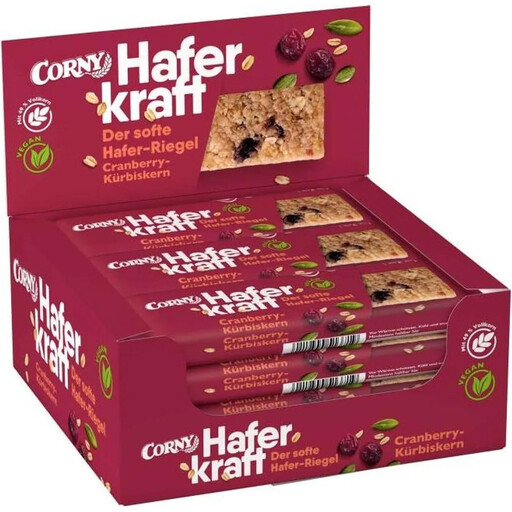
This pack of twelve 50 g bars may suit you if you’re looking for several individually portioned snacks. If you have a peanut allergy or need to avoid gluten, take extra care to check the ingredients and labelling on the pack.
 No image available
This pack of twelve 50 g bars is handy for comparing portion sizes for snacks on the go. If you need to avoid gluten or specific allergens, check the ingredients and any trace warnings on the pack before choosing.
 No image available
These six 20 g bars may suit you if ‘no added sugar’ is your main selection criterion and you prefer smaller portions. Separately, check the pack for gluten-containing cereals, milk, peanuts and sweeteners.
 No image available
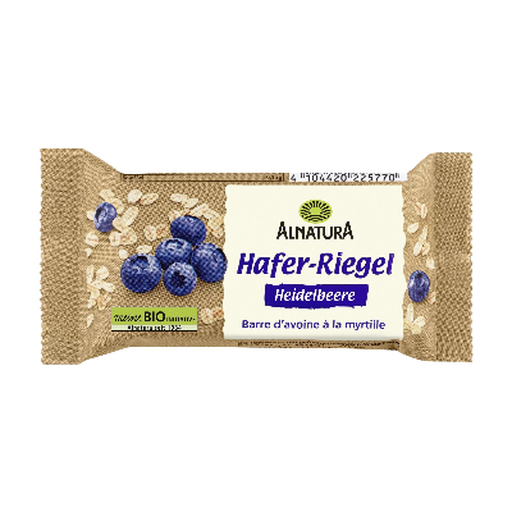
This 60 g single bar is an option if you don’t want a multipack. If you have coeliac disease, the term ‘oat bar’ isn’t enough: look for an explicit gluten-free label and check for other allergens too.
 No image available
This cocoa variety may suit you if you’re looking for an oat-based cereal bar. Before choosing, check the portion weight and pack contents on the packaging. If you need to avoid certain ingredients, also check the ingredients, trace warnings and whether it has an explicit gluten-free label.
No. These labels are no substitute for an explicit gluten-free label. For oats, the German consumer advice centre recommends that people with coeliac disease choose products labelled accordingly. EU Implementing Regulation No. 828/2014 sets a maximum of 20 mg of gluten per kilogram of food for products labelled ‘gluten-free’.
No. ‘No added sugar’ says nothing about gluten or other allergens. Check the ingredients for the specific variety; for example, product information for CORNY free Schoko lists oats, barley, wheat and milk.
This voluntary warning refers to the possibility of accidental traces of the allergens listed. If you have an allergy, your decision needs to follow the guidance you’ve received for your individual needs. The ingredients list and trace warning answer different questions.
Compare the weight of each bar with the total contents of the pack. This will help you see whether it contains the number and size of portions you want for student life.