What information should you check?
Start by clarifying the dietary needs guests have told you about. Then check each variety you plan to serve, and finally work out how to keep its information clearly matched to it at the buffet.
| Requirement |
What to check when buying |
Who it matters most to |
| Reported allergies |
Compare the ingredients list, declared allergens and any other information for the specific variety with the allergies guests have reported. |
If someone has reported an allergy, I want to be able to check the relevant ingredient for every variety on offer. Around 36% of consumers would make this their top priority. |
| Gluten-free option |
Look for an explicit ‘gluten-free’ statement on the product you’re serving; check other allergen information separately. |
For guests who need gluten-free popcorn, corn alone isn’t enough for me to make a choice. Around 29% of consumers would put a gluten-free label first. |
| Information at the buffet |
Keep the original packaging available or provide clearly matched information for every variety served loose. |
With several bowls, I want to make sure guests don’t mistake the ingredient information for one variety as applying to another. Clear information would be the top priority for around 21% of consumers. |
| Vegan option |
Check that the specific variety is labelled vegan, and read its information separately if guests have also reported allergies. |
If guests want vegan snacks, I need a variety that’s labelled accordingly, without assuming that this means it’s free from allergens. Around 14% of consumers would prioritise whether a product is vegan. |
Popcorn and popping corn at Joybuy
This selection includes popping corn to prepare yourself and sweet microwave popcorn. Before buying, compare the current pack information with the dietary needs guests have reported. The product type alone doesn’t mean it’s suitable for a gluten-free diet or a specific allergy.
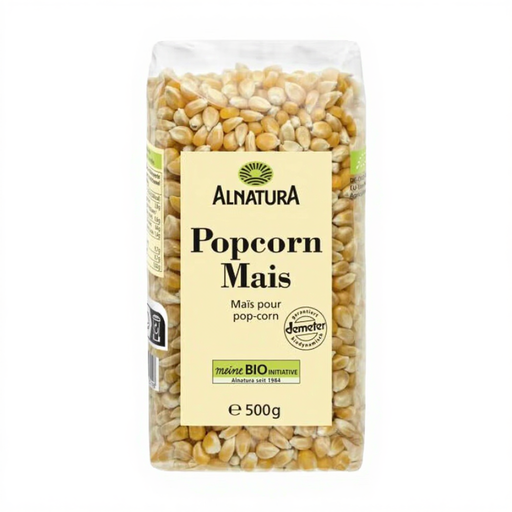 Image unavailable
Alnatura Organic Popping Corn Kernels, 500 g
For catering teams who want to prepare popcorn themselves; these kernels aren’t a ready-to-eat snack. Before buying, check the latest ingredients, allergen and may-contain information, and make sure you can clearly match the information to the product if serving it loose.
View at Joybuy
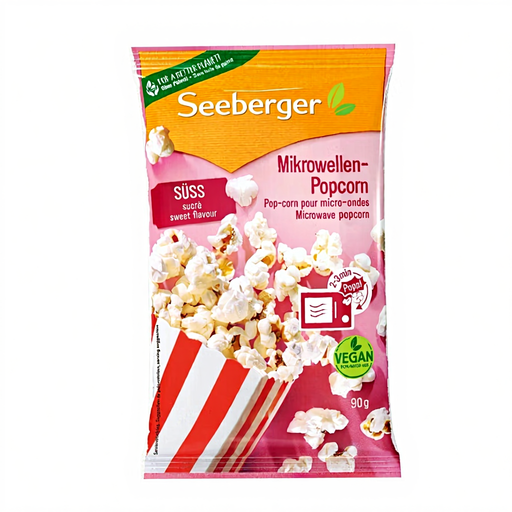 Image unavailable
Seeberger sweet microwave popcorn, 90 g
A sweet popcorn option if you have a microwave and a suitable preparation process. Check the latest pack information for ingredients and allergens, and for a gluten-free label if needed. Make sure guests can match this information to the popcorn when it’s served.
View at Joybuy
Frequently asked questions
Do you need to provide allergen information for popcorn served loose?
Yes. The Lower Saxony State Office for Consumer Protection and Food Safety says that information about allergenic ingredients must also be provided for unpackaged food. Make sure the information at the buffet is clearly matched to each variety you serve.
Is popcorn made from corn automatically gluten-free?
You can’t tell from the fact that it’s made with corn alone. For a gluten-free catering option, look for a ‘gluten-free’ statement on the specific product. Under EU Implementing Regulation No 828/2014, this claim may be used if the food contains no more than 20 mg/kg of gluten when sold to the final consumer.
Is ‘gluten-free’ enough if a guest has told you they’re allergic to milk?
No. A gluten-free label doesn’t tell you whether a product contains milk. Check the ingredients and allergen information for the specific popcorn variety, including any milk warnings.
Can I decant popcorn into bowls for the buffet?
Yes, as long as guests can access the allergen information for the variety being served and clearly match it to that product. Keep the relevant packaging and label bowls of different varieties separately.
What should I check for recalls shortly before the event?
Check the products and batches you’ve bought against current official recall notices. The Federal Office of Consumer Protection and Food Safety lists undeclared allergens as a common reason for recalls; affected products shouldn’t be served.


