What should you look for when buying?
Start with the ingredient you need to avoid or your main dietary preference, then compare portion sizes and nutritional information. A single bar can have several of these attributes without necessarily meeting every requirement.
| What matters |
What to check when buying |
Who should pay particular attention |
| Specific allergen |
Check the ingredients list, highlighted allergens and any may-contain warnings on the product you’ve chosen. |
If I need to avoid a particular ingredient, a general free-from label isn’t enough. Around 28% of consumers prioritise checking for a specific allergen. |
| Gluten-free option |
Look for a ‘gluten-free’ claim and check for other allergens separately. |
For my day out, I specifically need a bar labelled gluten-free, without overlooking other ingredients. Gluten-free options are the main priority for around 22% of consumers. |
| Plant-based or dairy-free |
Check the claim on the specific product, as well as the information about milk, soya, peanuts and tree nuts. |
I’m looking for a plant-based or dairy-free option, but that doesn’t mean it will be free from nuts or soya. Around 22% of consumers prioritise this type of choice. |
| Snack for on the go |
Compare portion size, sugar, protein and sweeteners using the ingredients list and nutritional information. |
Without a specific diet that excludes certain ingredients, I want to work out whether a bar is suitable as an occasional snack for a day out. This is the main consideration for around 28% of consumers. |
Brands to help you choose
These examples highlight differences between specific product ranges. The attributes of one bar don’t automatically apply to a brand’s entire range.
Lifefood
The LIFEBAR range includes plant-based protein bars with product-specific free-from claims.
- Lifefood describes its Organic LIFEBAR Protein Chocolate as vegan, gluten-free and lactose-free.
- According to the manufacturer, the recipe contains almonds and hazelnuts; warnings about other nuts and sesame are also relevant when choosing.
HistaFood
According to the manufacturer, the Organic Protein Bar is aimed at shoppers with several specific ingredient requirements.
- HistaFood describes the product as gluten-free, lactose-free, vegan and soya-free, among other things.
- The manufacturer explicitly states that the product is not suitable for people with salicylate intolerance or an oral nickel allergy. Claims about this bar don’t guarantee suitability for other individual intolerances.
Bulk
The Vegan Gourmet Bar combines a plant-based recipe with a protein claim from the manufacturer.
- Bulk states that the bar contains up to 17 g of plant protein per bar.
- According to the manufacturer, the ingredients include soya and peanut paste; check the allergen and consumption information for the specific product too.
Alnavit
Alnavit’s Chocolate Oat Bar is an example of a gluten-free snack outside the protein bar category.
- The manufacturer describes the 50-g oat bar as gluten-free and vegan.
- It contains cashew nuts, so it isn’t a nut-free alternative.
Protein bars at Joybuy
This selection includes a protein bar described as vegan and other individually wrapped protein bars for an occasional snack on the go. Check the specific pack for each product before choosing it for a diet that excludes particular ingredients.
 No image available
Barebells Vegan Protein Bar Peanut Caramel, 12 × 55 g
A plant-based protein bar in individual portions. The pack contains 12 bars, each weighing 55 g.
If you need to avoid peanuts or soya, the vegan claim isn’t enough to help you decide. Check the ingredients and may-contain warnings on the pack too; sweetener information is also important when choosing a snack for a child.
View at Joybuy
 No image available
Corny Crunchy Cookie Flavour Protein Bar, 12 × 45 g
An individually portioned snack with no specific free-from profile. The pack contains 12 bars, each weighing 45 g; the product name states that it contains 30% protein.
If you’re avoiding particular ingredients, check the allergen information for the product you’ve chosen first. For children, also take the information about maltitol and sucralose in the ingredients into account when choosing a snack.
View at Joybuy
 No image available
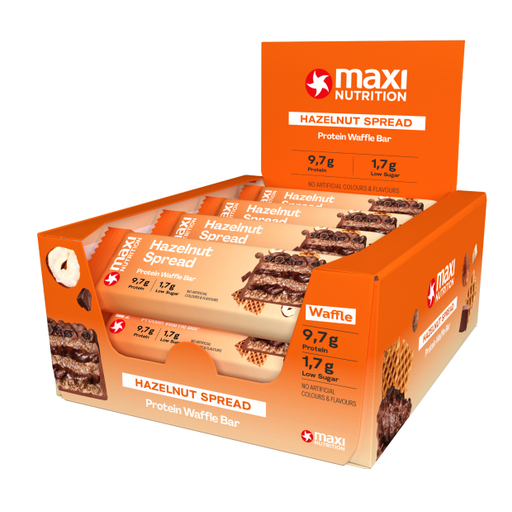
Maxi Nutrition Muesli Nut Butter Protein Wafer, 12 × 39 g
An individually portioned protein bar to take with you. The product name states that the pack contains 12 bars, each weighing 39 g, with 25% protein.
If you need to avoid wheat, milk, soya or hazelnuts, check the ingredients and allergen information on the pack before choosing. Also note the consumption advice about maltitol.
View at Joybuy
 No image available
Corny Protein Crunchy Vanilla & White Choc Flavour, 12 × 45 g
An individually portioned protein bar with no claim that it’s suitable for a gluten-free diet. The pack contains 12 bars, each weighing 45 g; the product name states that it contains 30% protein.
If you need a gluten-free option, don’t rely on a single claim: check the ingredients and allergen information on the specific pack. Maltitol and sucralose are also worth bearing in mind when choosing a snack for a child.
View at Joybuy
 No image available
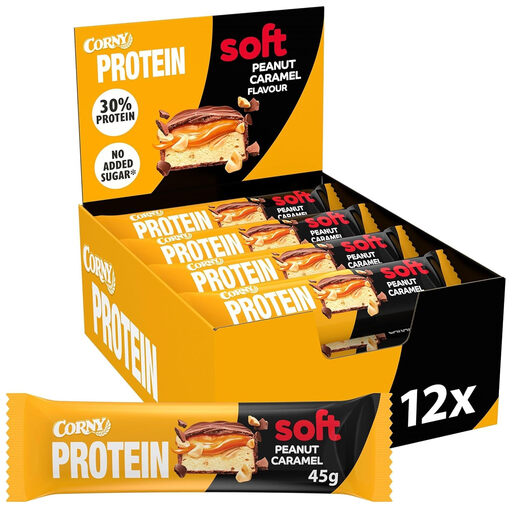
Corny Soft Peanut-Caramel Protein Bar, 12 × 45 g
An individually portioned snack if you don’t need to avoid any of the ingredients mentioned. The pack contains 12 bars, each weighing 45 g.
If you need to avoid peanuts, milk or soya, check the allergen information on the pack. Compare the protein claim on the specific pack and take the consumption advice about maltitol and sorbitol into account.
View at Joybuy
Frequently asked questions
Do allergens have to be labelled on packaged protein bars?
Yes. According to the European Commission, the 14 allergens that must be declared in the EU have to be clearly indicated when they’re used as ingredients. Possible cross-contamination is a separate issue, so also look out for precautionary may-contain warnings.
Are ‘vegan’ or ‘lactose-free’ claims enough if you have a nut or soya allergy?
No, these claims don’t automatically rule out nuts or soya. According to the manufacturer, Lifefood’s LIFEBAR Protein Chocolate, described as vegan and lactose-free, contains almonds and hazelnuts; Bulk’s Vegan Gourmet Bar contains soya and peanut paste. The information for each specific product is what matters.
Are protein bars with sweeteners suitable snacks for children on days out?
Not simply because they carry a sugar-related claim. The consumer advice centre generally does not consider products with sweeteners or sugar substitutes a suitable alternative for children. Check the ingredients, nutritional information and portion size, and treat the bar as an occasional snack at most.
Can a protein bar replace a packed lunch on a day out?
A protein bar isn’t automatically a replacement for a balanced snack. The German Nutrition Society emphasises an appropriate intake of carbohydrates, protein and fat, as well as enough fluids, so take the rest of your meals and drinks into account too.


