Cyclists with an allergy or coeliac disease
The specific variety matters: its ingredients, highlighted allergens and any precautionary ‘may contain’ statement must meet your needs. A general free-from claim isn’t enough.


Choose a cycling snack bar based on the ingredient you actually need to avoid, rather than relying on the general term ‘free from’. If you’re planning fuel for a longer ride, compare the carbohydrates per bar too, and see how well you tolerate it while exercising. Gluten-free, vegan and lactose-free each answer a different question; none of these claims replaces checking for other allergens.
The specific variety matters: its ingredients, highlighted allergens and any precautionary ‘may contain’ statement must meet your needs. A general free-from claim isn’t enough.
You’re looking for a bar that suits your diet and is easy to take with you. Vegan and lactose-free are different claims; if necessary, check separately for peanuts and tree nuts.
On longer rides, you’ll want to know how many carbohydrates each bar adds to your fuelling plan. Portion size and how well it sits with you during the ride are also important considerations.
First, identify the ingredients you need to avoid. If the bar is going to be part of your fuelling plan on the bike, compare the carbohydrates per bar next, then try your chosen portion during training.
| Criterion | What to check when buying | Who it matters most to |
|---|---|---|
| Allergens and cross-contact | Check the ingredients and highlighted allergens for the specific variety, and look out for any ‘may contain’ statements. | If I need to avoid a particular allergen, I want to be able to assess possible traces before setting off. For around 42% of consumers, this is their top priority. |
| Carbohydrates per bar | Compare the portion size and carbohydrates per bar, not just the nutritional values per 100 g; try the portion during exercise. | On a longer ride, I want to plan my fuelling per hour without having to guess the carbohydrate content from the pack size. Around 33% of consumers prioritise this kind of planning. |
| Suitable for your diet | Check gluten-free, vegan and lactose-free claims separately against the information for each variety. | For a ride, I’m looking for a bar that suits my plant-based or other specific diet. For around 25% of consumers, this is the most important factor in their choice. |
A gluten-free bar may contain other allergens. For example, according to REWE, the ingredients list for Schär Cereal Bar includes milk, soya and almonds.
For every variety, check for the allergen you need to avoid and look for any precautionary statement about traces.
Plant-based ingredients can include peanuts or tree nuts. Alnavit lists roasted peanuts in its Hafer Riegel Erdnuss; Lubs describes varieties containing cashew nuts or pieces of walnut.
If you need to avoid peanuts or tree nuts, check the ingredients for the specific variety, regardless of claims such as vegan or gluten-free.
Values per 100 g make bars easier to compare, but they don’t tell you how many carbohydrates you’ll get from one bar.
Take the portion size into account and compare the value per bar with the rest of your food and drinks.
How well a particular variety and portion size sits with you during exercise is individual. The Australian Institute of Sport recommends practising your fuelling strategy, taking hydration needs and stomach comfort into account.
Try the bar and drink on a similar training ride before relying on that combination.
Schär offers snack and cereal bars labelled gluten-free. The key is still to check whether the ingredients in your chosen variety meet any other dietary requirements.
Alnavit offers oat bars labelled gluten-free and vegan, among other products. The other ingredients vary by variety.
For selected Lubs fruit bars, you can compare specific ingredients with the published nutritional information.
This selection includes oat, muesli, cereal and wafer bars for different dietary needs, all easy to take with you. Check the pack information for each variety against the ingredients you need to avoid. If you’re fuelling during a ride, the carbohydrates per bar matter too.
 No image available
An oat flapjack described as vegan, ideal for taking along on a bike ride. It contains oats with gluten; if you need to avoid egg, milk, sesame, soya or nuts, check the current pack for possible traces too. For your fuelling plan, check the carbohydrates per 60-g bar.
 No image available
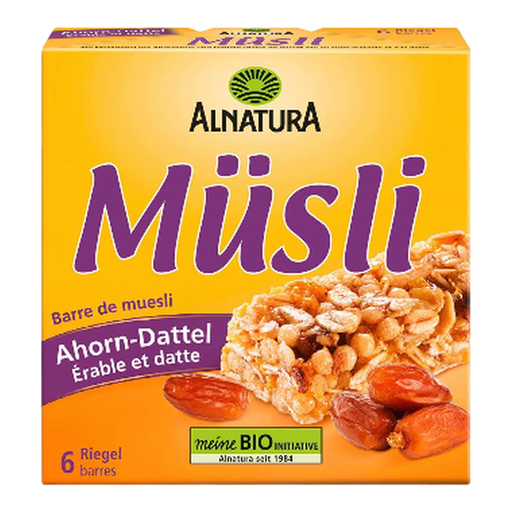
These individually portioned muesli bars, described as vegan, are easy to pack for a day out. They contain gluten-containing cereals; if you need to avoid soya, milk or tree nuts, take note of any precautionary statements about possible traces. For your ride, compare the carbohydrates per 25-g bar.
 No image available
A cereal bar described as vegan, handy as a snack on the go or before training. If you need to avoid gluten, check the information on the specific pack; possible traces of nuts, peanuts and milk are also relevant. The pack warns that excessive consumption of maltitol may have a laxative effect.
 No image available
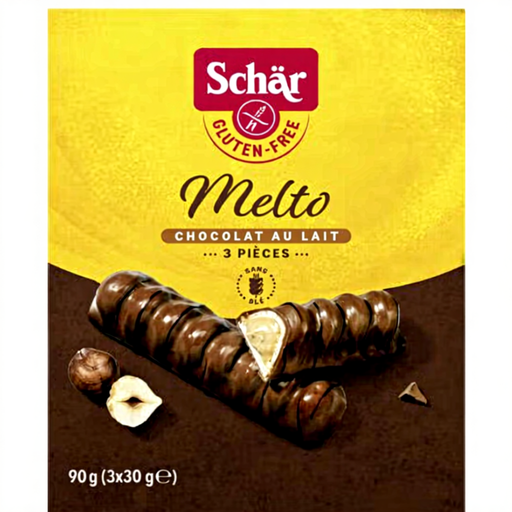
A wafer bar labelled gluten-free if you need to avoid gluten. It contains hazelnuts, milk and soya; possible traces of peanuts and other nuts should also be taken into account. If you’re planning your fuelling on the bike, compare the carbohydrates per bar.
 No image available
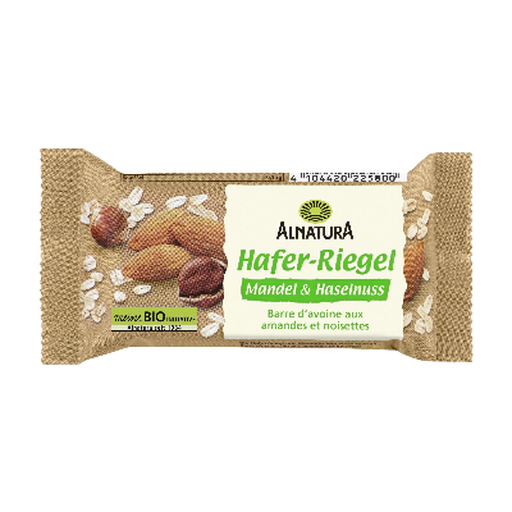
An oat flapjack described as vegan, ideal for taking along on a bike ride. It contains oats with gluten, almonds and hazelnuts; check the current pack for possible traces of other allergens too. For your ride, compare the carbohydrates per 60-g bar.
No. The claim refers to a specific quality, such as being gluten-free, not to every allergen. According to the European Union’s food labelling information, relevant allergens are highlighted in the ingredients list; a statement such as ‘may contain’ can also alert you to possible cross-contact. Check the current packaging for the specific variety.
No. Alnavit describes some of its oat bars as vegan and gluten-free, but lists cashew nuts or peanuts in the respective varieties. Check the gluten information and ingredients separately from the vegan claim.
There’s no single recommended amount per bar. The Gatorade Sports Science Institute gives a range of 30 to 90 g of carbohydrates per hour for endurance exercise, not per bar. Compare the portion with the rest of your fuelling and try the combination during training.
Not simply because it’s labelled gluten-free. The German Consumer Advice Centre points out that a gluten-free diet isn’t automatically beneficial for people who don’t need one. When comparing bars for cycling, ingredients, carbohydrates per portion and how well you tolerate the bar also matter.
For a packaged bar, the ingredients list and nutritional information on the packaging are the main sources to check. The German Consumer Advice Centre explains how ingredients are labelled, while the German Food Federation describes nutritional information per 100 g. If the pack also gives values per portion, you can compare the carbohydrates per bar directly.