People who need to eat strictly gluten-free
They’re looking for a portable bar for mid-morning that’s explicitly labelled gluten-free. ‘Wheat-free’ alone doesn’t answer their question about gluten.


Choose a free-from snack bar for mid-morning based on the ingredient or allergen you actually need to avoid – not on the general term ‘free from’. If you need to eat strictly gluten-free, the ‘gluten-free’ label on the specific bar is what matters; if you have other exclusions, the ingredients list and precautionary allergen information must also meet your needs. Vegan, lactose-free and gluten-free describe different qualities and do not guarantee that a product is free from all allergens.
They’re looking for a portable bar for mid-morning that’s explicitly labelled gluten-free. ‘Wheat-free’ alone doesn’t answer their question about gluten.
They check the specific product against the allergens they need to avoid – such as milk, soya, peanuts, tree nuts or sesame. A single free-from claim doesn’t replace this check.
They want an easy mid-morning snack and focus first on finding the relevant vegan or lactose-free claim. Other ingredients and allergen information still matter if they need to avoid anything else.
First, work out what the bar must not contain. Then compare the labelling on the specific variety. Only after that should you check the portion size, packaging and storage instructions for taking it with you in the morning.
| Criteria | What to check | Who it matters most to |
|---|---|---|
| Gluten-free | Look for ‘gluten-free’ on the specific bar; don’t assume it means the same as ‘wheat-free’. According to the Verbraucherzentrale, in the EU the gluten-free claim is restricted to foods containing no more than 20 mg of gluten per kg. | If you shop strictly gluten-free because of coeliac disease, you need a clear claim rather than having to guess from the cereal ingredients. This is the main priority when buying bars for around 36% of consumers. |
| Other allergens | Check the ingredients list and precautionary allergen information for the specific variety against the allergens you need to avoid. | If I have to avoid several allergens, a single free-from claim isn’t enough to help me choose. Checking for several exclusions is the top priority for around 29% of consumers. |
| Vegan or lactose-free | Check the relevant claim on the specific product, then separately compare the ingredients and precautionary allergen information against any other exclusions. | For a vegan or lactose-free mid-morning snack, I want to see the relevant claim without assuming that it’s also free from nuts or soya. Around 21% of consumers put this first. |
| Taking it with you and stocking up | Check the portion size, packaging, best-before date and storage instructions on the pack. | Between breakfast and lunch, I want to take a bar with me that can be stored as directed until I’m ready to eat it. For around 14% of consumers, this everyday practicality is the most important consideration when buying. |
The claim may refer to just one quality. It doesn’t rule out other allergens in the ingredients or the possibility of traces.
Decide what you need to avoid, then check the ingredients list and relevant precautionary allergen information for each variety.
A gluten-free bar may contain other allergens. For example, Schär lists milk, soya and almonds in its Cereal Bar.
Check for gluten, milk, soya, peanuts, tree nuts and sesame separately, according to your specific needs.
These claims answer different questions. Knack & Back describes its Sunday rolls as vegan and lactose-free, but lists wheat flour and wheat gluten among the ingredients. They’re also a bake-at-home product, not a snack bar.
If you need to eat strictly gluten-free, look for the gluten-free claim on the product you actually want to buy.
The best-before date applies to the unopened product when it’s stored correctly; different storage requirements may matter when you take it with you.
Before stocking up, check the date, condition of the packaging and storage instructions for the specific bars.
Schär offers cereals and snacks designed to be gluten-free, including bars.
foodloose offers nut and fruit bars. The manufacturer describes its mixed nut bar pack as vegan, lactose-free and gluten-free.
The Sunday rolls are a bake-at-home option for mid-morning, not a portable snack bar.
According to its own brand description, BiFi is all about savoury salami snacks rather than snack bars.
These bars offer different snack and dietary options for mid-morning: a Schär variety explicitly labelled gluten-free, nut bars and bars for those looking for a vegan option. Whether a variety suits your specific allergen exclusions depends on the information on its packaging.
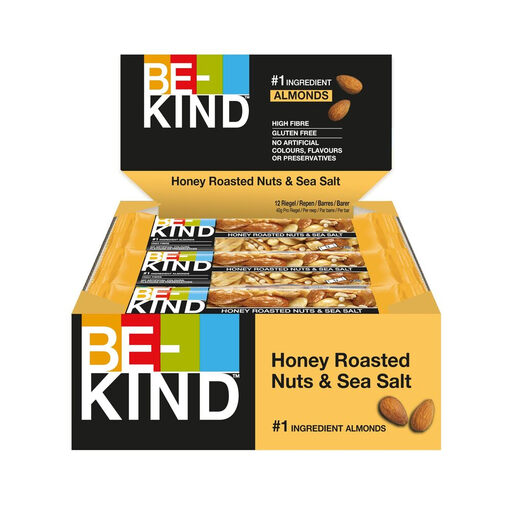 Image unavailable
Nut bars for a mid-morning snack, if nuts are suitable for you.
If you avoid peanuts, tree nuts, soya or milk, check the ingredients and precautionary allergen information on the specific pack. If you need to eat strictly gluten-free, also check for a gluten-free claim.
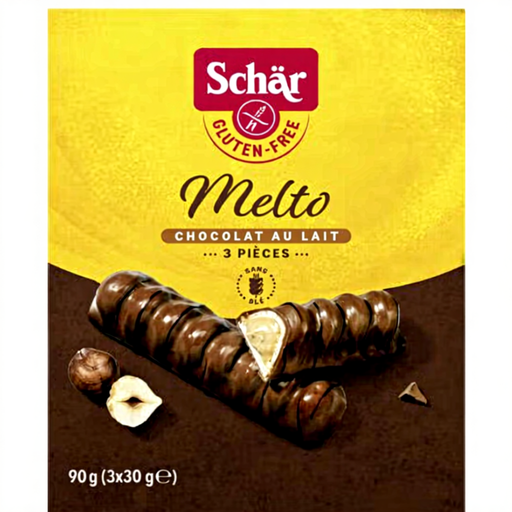 Image unavailable
A hazelnut wafer bar labelled gluten-free, for mid-morning if you don’t need to avoid hazelnuts.
If you avoid milk, soya, peanuts or other tree nuts, check the ingredients and precautionary allergen information for this Melto variety on the pack.
 Image unavailable
A peanut bar labelled vegan for mid-morning, provided its ingredients fit your dietary requirements.
If you avoid peanuts, soya or wheat, this variety isn’t an obvious choice. If you need to eat strictly gluten-free, look for an explicit gluten-free claim on the pack.
 Image unavailable
Oat and peanut bars for a mid-morning snack, if these ingredients are suitable for you.
If you avoid peanuts or gluten, check the specific ingredients list carefully. You can’t infer any particular sugar or nutritional claim from ‘Zero’ in the product name; the nutritional information on the pack is what counts.
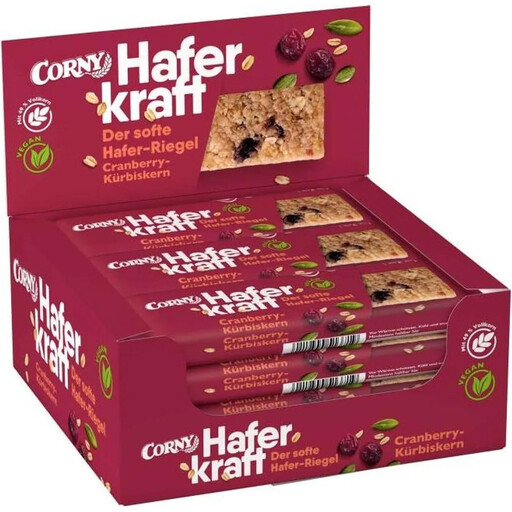 Image unavailable
Oat and cranberry bars for a snack between breakfast and lunch.
If you need to avoid gluten or other allergens, compare the ingredients and precautionary allergen information for this variety with your requirements. The word ‘oat’ in the name isn’t proof that it’s gluten-free.
No, ‘wheat-free’ doesn’t mean the same as ‘gluten-free’. If you need to eat strictly gluten-free, look for the gluten-free claim on the specific bar; according to the Verbraucherzentrale, in the EU this claim is restricted to foods containing no more than 20 mg of gluten per kg.
No, these claims don’t rule out other allergens. For example, a vegan bar may contain peanuts, tree nuts, soya or sesame; compare the ingredients and relevant precautionary allergen information with the specific allergens you need to avoid.
This warning alerts you to the possibility that the named allergen may have been unintentionally introduced. It doesn’t mean traces are definitely present, nor that they can be ruled out. So if you need to avoid that allergen, check this information on the specific pack.
As well as checking the ingredients that matter to you, look at the portion size, condition of the packaging and storage instructions. The best-before date applies to the unopened product when stored correctly; for stocking up and taking it with you, follow the information on the specific pack.