What should you look for when buying?
With free-from snack bars, the first thing to consider is the specific ingredient you need to avoid. Then use the nutritional information and the bar’s actual size to assess different recipes in relation to the portion you have planned.
| What to check | What to look for | Who it matters to |
|---|
| Allergens and gluten |
Compare the ingredients list, highlighted allergens and any precautionary ‘may contain’ statements on the specific pack with the ingredients you need to avoid. |
If I need to avoid a particular allergen or gluten, finding a suitable recipe matters more than other features. This is the top priority for around 36% of consumers. |
| Energy and portion size |
Compare the energy value per 100 g and calculate it for the stated bar size if no per-portion value is given. |
I want a bar to fit into my planned snack portion, rather than adding to it without me noticing. That’s why around 29% of consumers prioritise energy and portion size. |
| Sugar and ingredients |
Check the sugar content per 100 g and the ingredients list; ‘no added sugar’ does not mean sugar-free. |
If I want to avoid added sugar, I also want to be able to assess the sugar from the ingredients used. This clarity is the main reason for choosing a product for around 21% of consumers. |
| Protein and sweeteners |
Consider protein alongside energy and ingredients; check the labelling and warnings for sugar alcohols. |
Protein can be useful for my plans, as long as I can tolerate the rest of the recipe and any sweeteners used. Around 14% of consumers prioritise this. |
Snack bars at Joybuy
This selection includes vegan protein bars, a fruit and nut bar labelled vegan, and a wafer bar labelled gluten-free. What matters is which ingredients you need to avoid and how the portion fits into your plans.
 No image available
Barebells Vegan Protein Bar Peanut Caramel, 12 × 55 g
An option if you’re looking for a bar labelled vegan and its ingredients suit your needs.
Pack of 12 bars, 55 g each. Consider the peanuts, soya and wheat protein, as well as maltitol and sucralose. For portion planning, compare the nutritional information.
View at Joybuy
 No image available
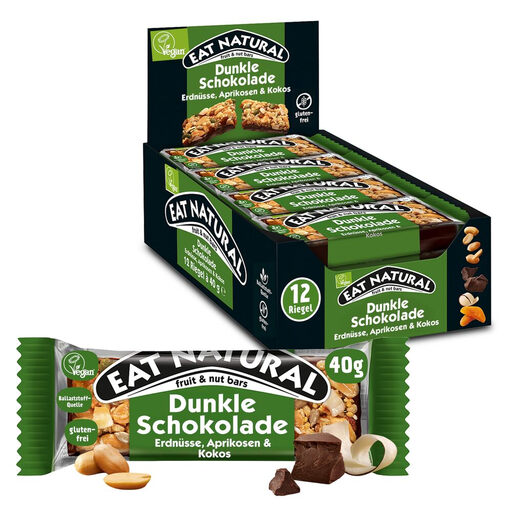
Eat Natural Vegan Peanuts Coconut & Dark Chocolate Bars, 12 × 40 g
For people looking for a bar labelled vegan who can tolerate peanuts. If you have other free-from requirements, check the labelling on the specific pack.
Pack of 12 bars, 40 g each. Take the peanuts and the stated possible traces of soya, milk and other nuts into account. Use the nutritional information and bar size to assess the sugar and energy content.
View at Joybuy
 No image available
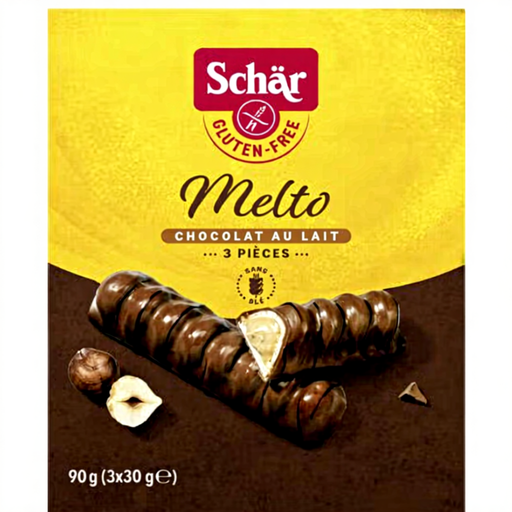
Schär Gluten-Free Melto Hazelnut Wafer Bars, 3 × 30 g
A wafer bar labelled gluten-free for people whose other allergen requirements are compatible with the specific recipe.
Pack of 3 bars, 30 g each. Consider the hazelnuts, milk and soya; possible traces of peanuts and other nuts are also listed. To assess your snack portion, compare the energy and sugar information on the pack.
View at Joybuy
Frequently asked questions
Is a snack bar with no added sugar automatically low in sugar?
No. According to the Verbraucherzentrale, foods with no added sugar can still contain naturally occurring sugars. Check the sugar content per 100 g and take the bar’s size into account.
Is a gluten-free bar also free from other allergens?
No. A gluten-free bar can contain peanuts, tree nuts, milk or soya, among other ingredients. Check the ingredients and allergen labelling for the specific variety. The Federal Office of Consumer Protection and Food Safety explains how the main allergenic substances are labelled on packaged foods.
Are protein bars always a better choice for weight management?
No. Protein content alone doesn’t determine whether a bar fits into your planned diet. For long-term weight management, the Verbraucherzentrale highlights energy balance and a diet that works in everyday life. So compare portion size, energy, ingredients and allergens too.
What should you know about bars containing sugar alcohols?
Check the ingredients list and warning for the specific variety. According to the Verbraucherzentrale, sugar alcohols can have a laxative effect when consumed in larger quantities.
How can you compare snack bars of different sizes?
First compare the nutritional values using the same measure, such as per 100 g, then take the weight of each individual bar into account. This helps you assess the energy and sugar content of the portion you actually plan to eat.


