What should you look for when buying?
First, check the specific variety against the ingredients you need to avoid. Then compare portions and nutritional values for your lunch break.
| What matters | What to check | Who it matters most to |
|---|
| Allergens and possible traces |
Check the current ingredients list, highlighted allergens and any precautionary ‘may contain’ statements for the specific variety. |
If I need to avoid a particular allergen, I want to check for possible traces before choosing. This allergen check is the top priority for around 33% of consumers. |
| Meeting several requirements |
Check each requirement individually, such as gluten-free and vegan; don’t assume a product has other qualities based on a single label. |
I need a bar that meets several of my requirements at once, rather than just one. This combination is the priority for around 27% of consumers. |
| Portion and nutritional values |
Compare portion size, sugar, fibre and protein. Check whether the information is per 100 g or per bar. |
If I want a bar that works for my lunch break, I want to know what’s in an actual portion. Around 27% of consumers put this nutritional comparison first. |
| Convenient individual portion |
Check the weight per bar and its ingredients against your own preferences and requirements. |
When I only have a short break, I want a bar I can eat without any preparation and that I enjoy the taste of, too. This practical fit matters most to around 13% of consumers. |
Snack bars at Joybuy
This selection includes bars described as vegan and one wafer bar explicitly labelled gluten-free for your break. Check each product separately against the ingredients you need to avoid: vegan and gluten-free are not interchangeable.
 No image available
Barebells Vegan Protein Bar Peanut Caramel, 12 × 55 g
An option if you’re looking for a bar described as vegan for your break. The pack contains twelve bars, each weighing 55 g.
It’s not a universally suitable choice if you have a peanut, wheat or soya allergy. Check the ingredients and possible traces against the current packaging, and look there for the protein content per bar, too.
View at Joybuy
 No image available
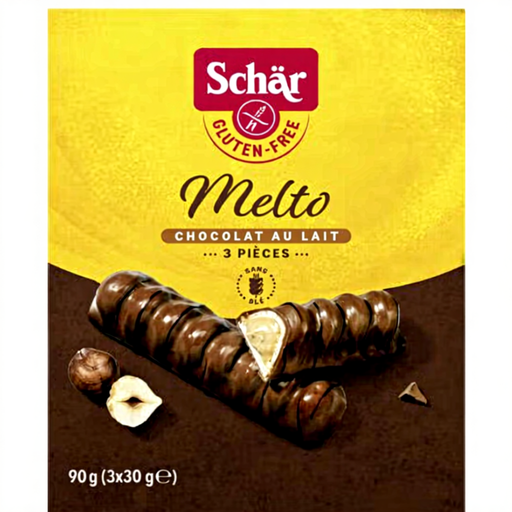
Schär Gluten-Free Melto Hazelnut Wafer Bars, 3 × 30 g
A wafer bar explicitly labelled gluten-free for a short break. The pack contains three bars, each weighing 30 g.
Gluten-free doesn’t mean free from hazelnuts, milk or soya. If other allergens matter to you, check the current pack for possible traces, too.
View at Joybuy
 No image available
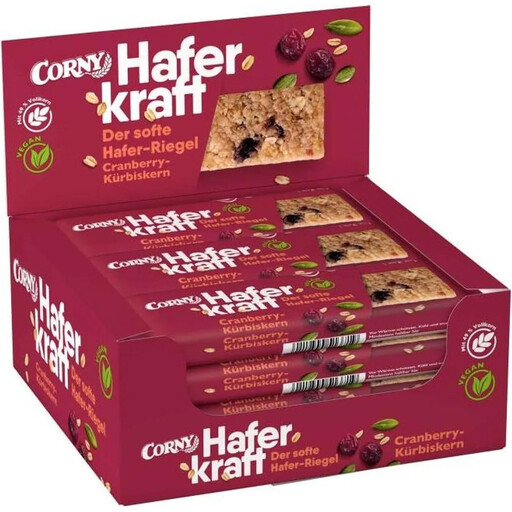
Corny Haferkraft Cranberry Oat Bars, 12 × 50 g
An oat bar described as vegan, if you’re looking for an individually portioned snack. The pack contains twelve bars, each weighing 50 g.
The oats listed contain gluten, so don’t choose this bar based on its vegan claim alone if you need to avoid gluten. Check the current ingredients list and any possible traces.
View at Joybuy
 No image available
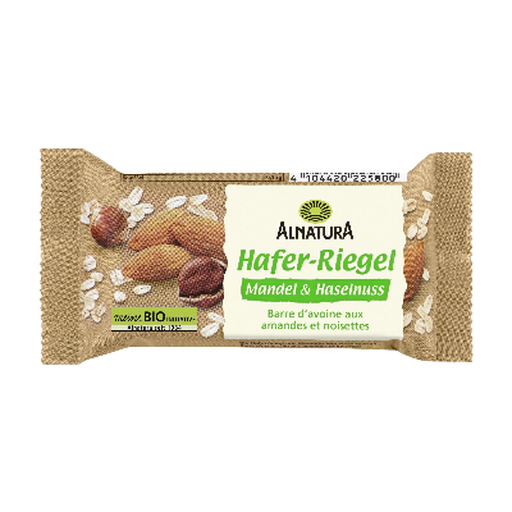
Alnatura Organic Almond & Hazelnut Oat Flapjack Bar, 60 g
An oat bar described as vegan, in a single 60 g portion for your break.
Keep in mind that it contains almonds, hazelnuts and oats containing gluten. If you need to avoid other allergens, check the current packaging for possible traces, too.
View at Joybuy
Frequently asked questions
Do allergens have to be labelled on packaged snack bars?
Yes. In the EU, prepacked foods must list their ingredients and highlight the 14 allergens that must be declared in the ingredients list. The European Commission and the German Food Federation both point this out. Check the information for the specific variety.
Is a gluten-free bar also nut-free, dairy-free or vegan?
No. ‘Gluten-free’ doesn’t answer those other questions. Schär describes its Cereal Bar as gluten-free, but according to its product page it contains milk, soya and almonds. Make your choice based on the information for the specific variety.
What does ‘may contain traces of …’ mean?
This voluntary statement refers to the possibility of an allergen being present unintentionally. It doesn’t mean that the allergen is listed as an ingredient. If you need to avoid that allergen, take the statement into account alongside the ingredients list.
Is a bar with no added sugar automatically low in sugar?
No. The claim doesn’t tell you the bar’s total sugar content; fruit ingredients can contain sugar, too. Compare the sugar figure in the nutritional information, and check whether it’s per 100 g or per bar.


