
Lieferung heute & morgen

Qualitätsgarantie

Willkommens-Angebote freischalten: KOSTENLOSE Lieferung | Bis zu 80 % RABATT | Kostenlose 30-Tage-JoyPlus-Testphase
App herunterladen
Choosing a new fridge-freezer is a decision that will impact your daily life for years to come. With a vast array of models, technical specifications, and features, the search for the right appliance can become overwhelming. Factors such as energy consumption, noise level, capacity, and maintenance requirements play a crucial role.
This article serves as your guide. It outlines objective criteria for your selection and presents a curated list of models with diverse features, providing you with an informed basis for your decision.
Before you decide on a model, several fundamental aspects should be considered. These will help you narrow down your options and find an appliance that fits your needs and your space.
Energy consumption is a critical factor in the long-term running costs of a refrigeration appliance. Since March 2021, the new EU energy label with classes from A (very efficient) to G (less efficient) has been in effect. A fridge-freezer with an energy efficiency class of C is already considered a very economical choice by current standards.
At the same time, the noise level, measured in decibels (dB), is an important criterion, especially in open-plan kitchens. A quiet fridge-freezer with a rating below 40 dB is generally considered non-disruptive. Models around 35 dB are virtually unnoticeable.
The required capacity depends on your household size and shopping habits. As a rule of thumb:
Measure your available space accurately and plan for sufficient clearance from the wall and sides to ensure proper air circulation. Freestanding models offer maximum placement flexibility.
No-Frost technology is now standard in many appliances. A No-Frost refrigerator wicks moisture out of the freezer compartment, preventing ice build-up. This eliminates the need for manual defrosting, which saves time and keeps energy efficiency consistently high.
Also, pay attention to a flexible interior layout. Adjustable shelves, bottle racks, and special compartments for fruits and vegetables make organisation easier and help keep food fresh for longer. A reversible door hinge allows for adaptation to any kitchen layout.
Here is a selection of appliances that cater to different requirements in size, function, and design.
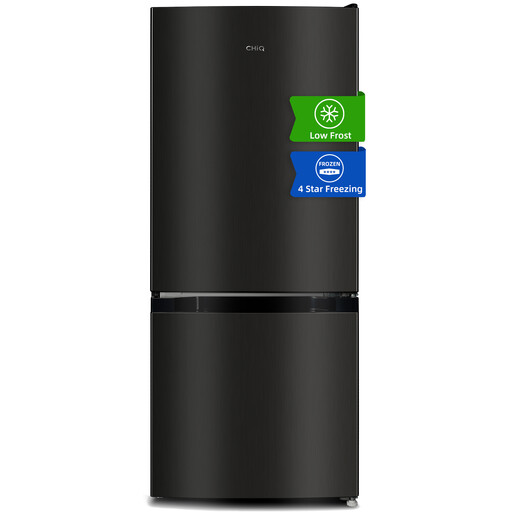
What makes this model stand out This model is designed for maximum space efficiency. With a footprint of just 0.23 m? and a height of 114 cm, it fits perfectly into small kitchens, apartments, or offices without sacrificing a separate freezer compartment.
Advantages
Who is it for? This appliance is a suitable solution for individuals, couples, or as a secondary unit in small households and offices seeking a space-saving and functional cooling solution.
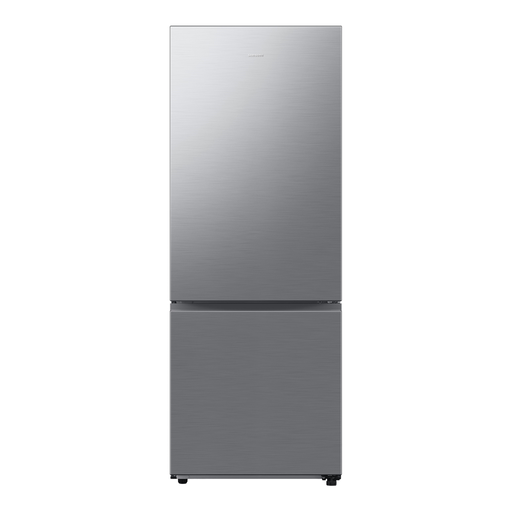
What makes this model stand out The Samsung RB53DG703CS9EF combines a very large capacity with advanced technologies for food preservation and energy management. Its SpaceMax technology allows for thinner walls, providing more storage space within the same external dimensions.
Advantages
Who is it for? Ideal for large families and tech-savvy households who need a spacious, quiet, and energy-efficient large refrigerator with modern features.
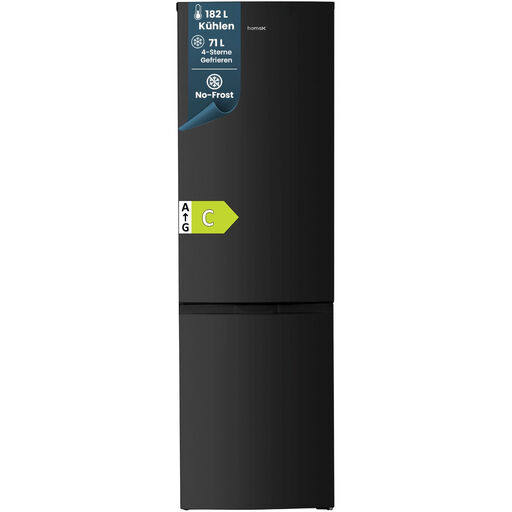
What makes this model stand out The homeX model offers a balanced combination of modern convenience, good energy efficiency, and a practical capacity. Its Total No-Frost technology and well-designed interior make it a reliable everyday companion.
Advantages
Who is it for? A great choice for couples and small families looking for a low-maintenance, efficient, and stylish refrigerator with a freezer compartment in a black finish.
If you haven't found the right appliance for your specific needs among these recommendations, you can find a wider selection in our main category. There, you can filter by size, brand, and other features.
? Discover more models in the Household Fridge-Freezer category
No-Frost technology prevents the formation of ice and frost in the freezer section. A fan circulates cold, dry air evenly and directs excess moisture to the outside. This eliminates the need for manual defrosting, keeps energy consumption consistently low, and prevents food from being affected by ice crystals.
Noise perception is subjective, but there are benchmarks. Appliances with a sound power level below 40 dB(A) are considered quiet and are suitable for most living situations, including open-plan kitchens. Models with ratings around 35 dB(A) or lower are classified as very quiet and are barely audible in daily operation.
The energy efficiency class indicates how economical an appliance is in relation to its size and features. A refrigerator runs 24 hours a day, so lower electricity consumption translates into significant savings on operating costs over the years. A higher efficiency class (e.g., C or better under the new label) not only saves you money but also helps the environment.