
Lieferung heute & morgen

Qualitätsgarantie

Willkommens-Angebote freischalten: KOSTENLOSE Lieferung | Bis zu 80 % RABATT | Kostenlose 30-Tage-JoyPlus-Testphase
App herunterladen
Choosing a new fridge-freezer is a major decision for any household. The appliance runs around the clock, directly impacting your electricity bill, the freshness of your food, and the noise level in your kitchen. With a vast array of models and technical specifications available, the search for the right appliance can become overwhelming.
This article serves as your guide. It highlights the crucial criteria to consider when selecting a freestanding fridge-freezer with No Frost technology and presents a curated selection of models with different strengths.
Before you decide on a model, it's helpful to evaluate a few fundamental characteristics. These three points are particularly important for long-term satisfaction.
A fridge-freezer is one of the biggest continuous energy consumers in the home. The energy efficiency class is therefore a decisive factor for running costs. Since March 2021, a new EU energy label has been in effect, with a scale from A (very efficient) to G (inefficient). An A-rated fridge consumes significantly less electricity than models in lower classes, which can lead to substantial savings over the years. Pay attention to the annual electricity consumption in kilowatt-hours (kWh) indicated on the energy label. Models with an inverter compressor adjust their cooling power according to demand, which not only reduces energy consumption but also ensures a more stable temperature and lower noise levels.
In modern, open-plan kitchens, having a quiet fridge-freezer is crucial. The noise level is specified in decibels (dB) and is also listed on the energy label in classes from A (very quiet) to D (loud). Appliances with a rating below 35 dB are considered exceptionally quiet and are barely perceptible in daily operation. When planning, also consider the appliance's dimensions and the required clearance from walls for adequate ventilation.
The required net capacity depends on the size of your household. As a rule of thumb, allow about 100 litres for one person and an additional 50 litres for each extra person. A 200 cm tall fridge typically offers a generous capacity for families. No Frost technology is now standard in most appliances and prevents ice build-up in the freezer compartment, eliminating the need for manual defrosting. Additional freshness systems, such as special drawers with adjustable humidity, can extend the life of fruits and vegetables. A smart fridge also offers the ability to control and monitor it via an app. Surfaces made of stainless steel or with a stainless steel finish are not only visually appealing but also durable and easy to clean.
Here is a selection of freestanding No Frost models that stand out for their specific features and technical specifications.
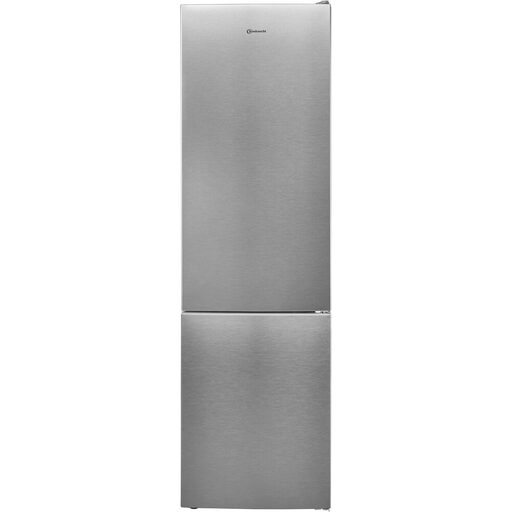
Why this model stands out: The Bauknecht KGDNF 203 A is distinguished by its exceptional flexibility. The Multi Zone function allows a compartment to be converted from a freezer to a fridge at the touch of a button, adjusting the temperature between -24 °C and +10 °C. With a total net capacity of 355 litres and the highest energy efficiency class A, it is designed for demanding households. The inverter compressor ensures quiet operation at just 32 dB.
Advantages:
Who it's for: Households that need maximum flexibility for food storage and value top-tier energy efficiency and exceptionally quiet operation.
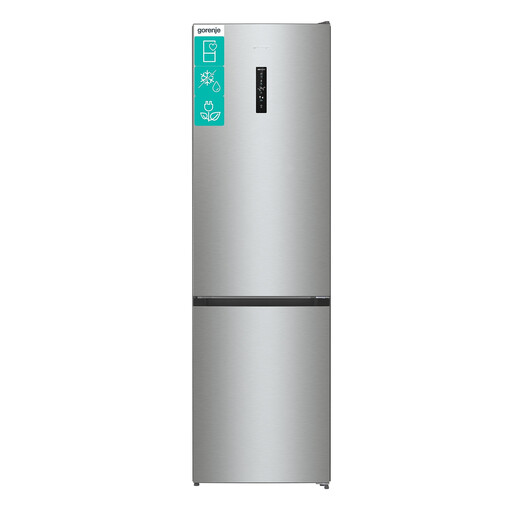
Why this model stands out: The Gorenje NRK620CA2XL4 is a spacious and functional appliance, standing 200 cm tall with a total net capacity of 331 litres. It combines proven technologies like No Frost and a Multi-Airflow system for even cooling. Features such as Super Cool and Fast Freeze quickly bring fresh groceries to the desired temperature. At 35 dB, its operation is pleasantly quiet.
Advantages:
Who it's for: Families and couples looking for a reliable, spacious appliance with a solid feature set and quiet operation for daily use.
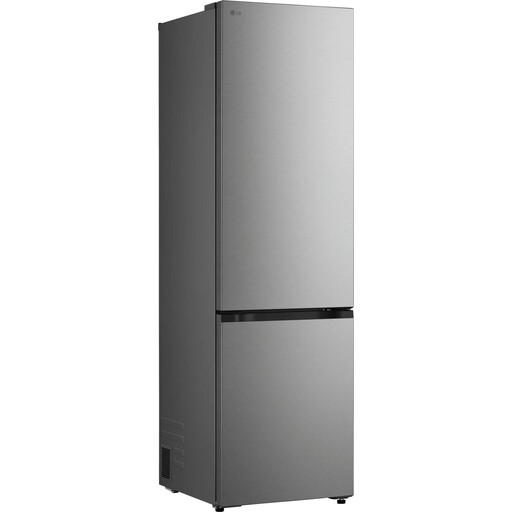
Why this model stands out: This smart fridge from LG is designed for efficiency and intelligent features. With energy efficiency class A and an extremely quiet operation of just 29 dB (Noise emission class A), it is one of the quietest models on the market. The AI functions in the LG ThinQ app optimise energy consumption by learning usage patterns. Technologies like DoorCooling+ and Linear Cooling ensure fast and stable cooling to keep food fresh for longer.
Advantages:
Who it's for: Tech-savvy users and quality-conscious households who want the highest level of efficiency, quietness, and modern convenience features.
If you are considering additional convenience features like a built-in ice or water dispenser, there are specialised models available. These appliances provide chilled water, ice cubes, or crushed ice at the touch of a button.
? Discover our selection of fridge-freezers with ice dispensers and water connections here
1. What does "No Frost" mean in a fridge-freezer? No Frost technology prevents the formation of ice and frost in the freezer compartment. A ventilation system circulates the moist air out of the interior, so it cannot freeze on the walls or on the frozen goods. This saves you the hassle of manual defrosting, ensures consistent cooling performance, and lowers energy consumption, as icy surfaces impair efficiency.
2. How loud should a fridge-freezer be? Perceived loudness is subjective, but there are clear benchmarks. Appliances with a noise emission of under 35 dB are considered very quiet and are barely audible in a normal home environment. Models between 36 and 40 dB are still quiet but may be noticeable in very quiet settings. For open-plan kitchens, the lowest possible dB rating is recommended.
3. Is a fridge with energy efficiency class A worth it? Yes, investing in an A-rated appliance is generally worthwhile in the long run. Although the initial purchase price may be higher, the savings on electricity costs over the appliance's lifespan (often 10-15 years) are substantial. A Class A model consumes significantly less energy than models in classes C, D, or lower, which is better for both your wallet and the environment.