
Lieferung heute & morgen

Qualitätsgarantie

Willkommens-Angebote freischalten: KOSTENLOSE Lieferung | Bis zu 80 % RABATT | Kostenlose 30-Tage-JoyPlus-Testphase
App herunterladen
The right freestanding shelving unit can transform unused corners into valuable storage space and bring order to your basement, kitchen, or garage. However, the selection is vast, and not every model delivers on its promises. Choosing the wrong material or an unstable design often means a new shelf becomes useless after just a short time.
As your Joybuy Product Recommendation Officer, I'll help you identify the crucial features and avoid common purchasing pitfalls. This guide will show you what to look for to find a durable and functional storage rack that perfectly fits your needs.
At first glance, many shelving units look stable and practical. In everyday use, however, their weaknesses quickly become apparent. Pay close attention to these three points to avoid a bad investment:
To find the right freestanding shelf, you should focus on three core technical features. These determine the durability, safety, and functionality of your new organisational system.
The material is the foundation for a shelf's stability and suitability for specific environments.
Load capacity is usually specified in kilograms per shelf. A realistic assessment of your needs is crucial here.
The assembly method and the adjustability of the shelves determine how flexibly you can use the unit.
Here are some recommendations tailored to different user profiles and requirements.
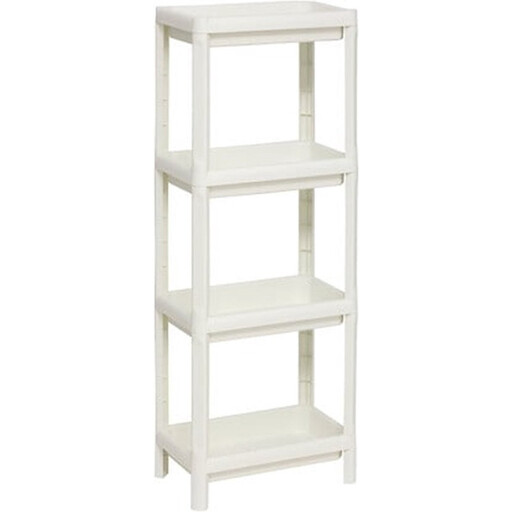
Why it's a great fit: Ideal for anyone looking for a quick and straightforward solution for light items in the bathroom, laundry room, or utility closet.
The polypropylene material is completely moisture-resistant, preventing the swelling and mould issues that affect engineered wood in damp rooms.
Tool-free assembly in minutes; easy to clean and reposition.
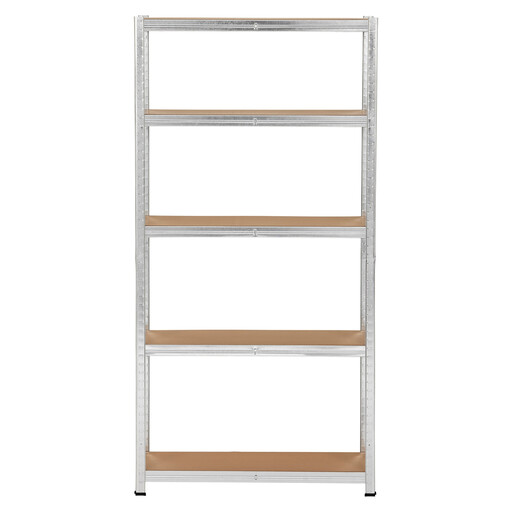
Why it's a great fit: Designed for storing heavy items in the garage, workshop, or basement. It offers maximum stability and a high load capacity.
The high load capacity of 175 kg per shelf and the galvanised steel construction counteract the risk of an unstable, wobbly structure. This rack is designed for heavy loads.
Very high total load capacity of 875 kg; the MDF shelves are robust and their height is adjustable.
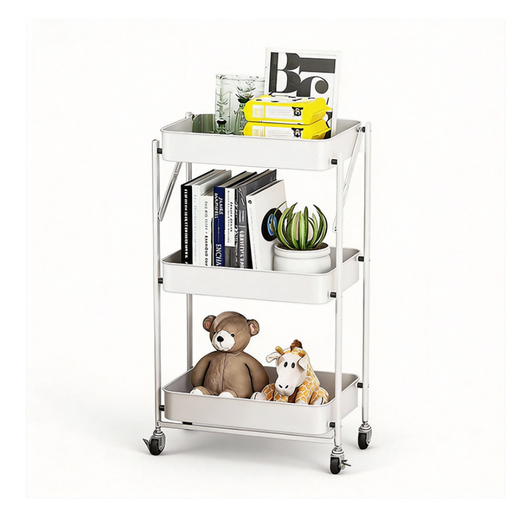
Why it's a great fit: For anyone who needs a mobile and adaptable storage solution for the kitchen or other living areas that can also be tucked away when not in use.
Instead of rigid shelves, this rolling cart offers a completely different kind of flexibility. It can be moved wherever it's needed, bypassing the problem of a fixed, impractical shelf.
Mobile on wheels and folds down for space-saving storage when not in use.
We've compiled a complete, up-to-date list of products that fully meet these strict selection criteria and rigorous safety standards.
Make sure the ground is level. Use a rubber mallet to tap the interlocking connections together firmly and flush without damaging the material. Build the shelf step-by-step from the bottom up, checking that all parts are secure after each level. For tall shelves, an additional wall anchor is recommended to prevent tipping.
The specified load capacity, e.g., 175 kg per shelf, applies to an evenly distributed load. This means the weight should be spread out over the entire surface of the shelf as much as possible, not concentrated in one spot. Avoid placing the entire weight on a small area, as this can cause the shelf to bow.
The lifespan depends heavily on the material. A galvanised steel rack or a high-quality plastic shelf can last for many years in a damp basement without any issues. In contrast, a shelf made of untreated MDF or simple particleboard can be damaged by moisture and lose its stability after just a few months. Choosing the right material is crucial here.