
Lieferung heute & morgen

Qualitätsgarantie

Willkommens-Angebote freischalten: KOSTENLOSE Lieferung | Bis zu 80 % RABATT | Kostenlose 30-Tage-JoyPlus-Testphase
App herunterladen
By Joybuy Product Recommendation Officer, August 28, 2026
A well-organised freezer is the cornerstone of an efficient household. But the satisfaction from bulk shopping and batch-cooking can quickly sour when the wrong freezer bags are involved. A spilled soup that contaminates the entire freezer, or an expensive cut of meat ruined by freezer burn, are frustrating and costly mishaps.
Many products promise a perfect seal and protection, but their weaknesses often show in practice. Before you make a decision, you should be aware of the three most common pitfalls that lead to frustration and food waste:
Choosing the right freezer bag depends on objective criteria, not marketing promises.
To avoid the problems mentioned above, you should check three core parameters before buying. These are what truly determine the functionality and reliability of a freezer bag.
The closure is crucial for storing food safely and preventing spills. There are two main systems:
For maximum security with liquids, a double-press seal or a high-quality slider closure is the most reliable option.
The quality of the material determines its tear resistance and protection against freezer burn.
Practical design features make a significant difference in everyday kitchen use.
Based on these objective criteria, we have identified products that offer a suitable solution for specific needs and households.
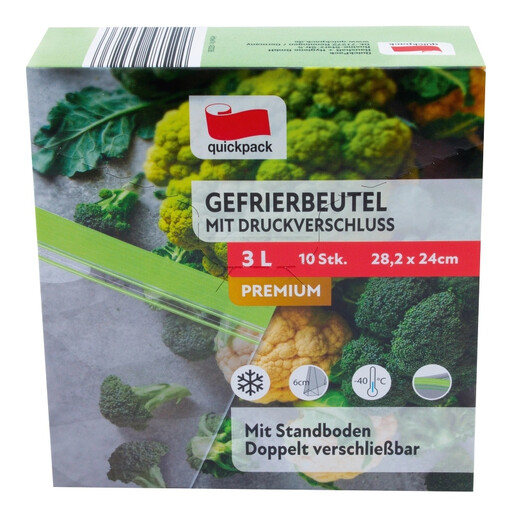
Why This Fits Their Persona: Ideal for anyone who regularly freezes soups, sauces, or marinades. The combination of a double seal and a stand-up base offers maximum security and convenience.
The double-press seal directly addresses the weakness of leaky single-track zippers. The stand-up base solves the problem of cumbersome filling and prevents spills.
Dual-seal security for liquids; stable base for hands-free filling; robust material.
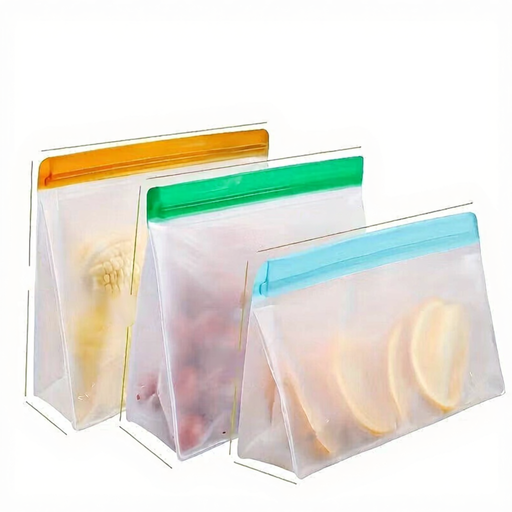
Why This Fits Their Persona: An excellent choice for environmentally conscious consumers looking for a durable, zero-waste alternative to single-use plastic bags.
This product completely bypasses the problems of thin material and leaky seals. The thick, flexible silicone is inherently extremely durable and leak-proof.
Reduces plastic waste; highly durable and reusable; dishwasher-safe and easy to clean; versatile use (freezer, microwave).
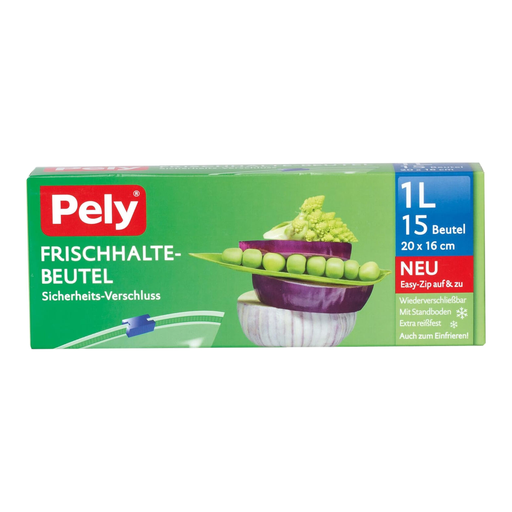
Why This Fits Their Persona: A versatile all-rounder for smaller portions, organising household items, or as a leak-proof travel companion for liquids in hand luggage.
The safety zipper is more reliable than simple press-to-close seals. The extra-strong material is freezer-safe and surpasses the quality of typical, thin food storage bags.
Secure and smooth-gliding closure; stand-up base for easy filling; flight-compliant for liquids.
We have compiled a complete, up-to-date list of products that fully meet these strict selection criteria and safety standards.
1. How do I effectively prevent freezer burn with freezer bags? Freezer burn occurs when air comes into contact with the surface of frozen food, causing it to dehydrate. To prevent this, you should remove as much air as possible from the bag before sealing it. Press the bag flat on a level surface, or slowly submerge the filled but still-open bag in water (up to just below the seal) to force the air out with water pressure. A thick, high-quality bag with an airtight seal is also essential.
2. Are reusable silicone freezer bags truly hygienic? Yes, with proper care, they are very hygienic. Food-grade silicone is non-porous, which means it doesn't harbour bacteria or odours. After use, the bags should be turned inside out and cleaned thoroughly with warm water and soap. Many models are also dishwasher-safe. It is important to let the bags dry completely before their next use to prevent microbial growth.
3. Which type of seal is the most secure for liquids? For liquids like soups, broths, or sauces, a double-press seal (double-zip) offers the highest level of security. The two sealing tracks create a redundant barrier that minimises the risk of leaks. A high-quality slider closure is also a very secure alternative, as it often clicks into place and ensures a continuously tight seal. Simple, single-track press-to-close seals are generally not recommended for liquid contents.