
Lieferung heute & morgen

Qualitätsgarantie

Willkommens-Angebote freischalten: KOSTENLOSE Lieferung | Bis zu 80 % RABATT | Kostenlose 30-Tage-JoyPlus-Testphase
App herunterladen
By a Joybuy Product Recommendation Officer, August 28, 2026
Freezing food is a convenient way to stock up, use leftovers, and prep meals. However, the joy of a well-stocked freezer can quickly fade when a thawed steak is tough, vegetables taste of ice crystals, or soup has already leaked in the freezer drawer. Choosing the right freezer bag is crucial for freshness and flavour. But the market is flooded with products whose quality differences are not always apparent at first glance.
Many consumers grab the first product they see, only to be disappointed later. Before you make a decision, you should know the two most common pitfalls that lead to food waste and frustration.
A good bag for freezing is more than just a thin plastic sleeve. It's an essential tool for ensuring the quality of your food.
To avoid the problems mentioned above, you should check three key features before buying. These objective criteria will help you separate the wheat from the chaff and find a product that reliably protects your food.
The tear resistance of a freezer bag is directly related to the quality and thickness of the film used.
The seal is the most critical part of any freezer bag. There are various systems, each with specific advantages and disadvantages.
The right size is crucial for trapping as little air as possible inside the bag.
Based on these objective criteria, we have compiled a selection of products suitable for different needs and household sizes.
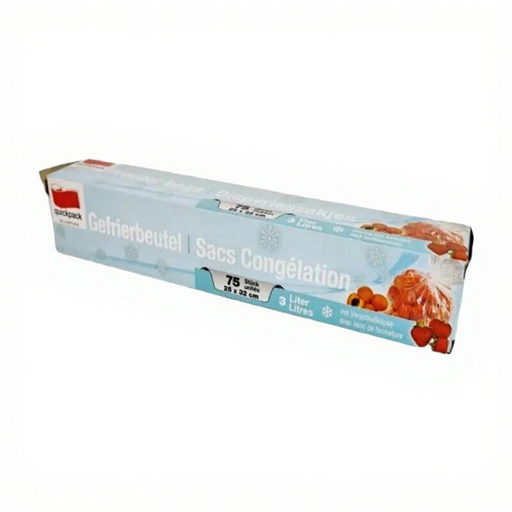
Why This Fits Their Persona: Ideal for those who regularly freeze small to medium portions and appreciate a quick, straightforward, and secure sealing solution for daily use.
The included clip closure ensures a reliably tight seal, thus avoiding the pitfall of a leaky closure that leads to freezer burn.
Practical 3-litre size for versatile use; a bulk pack of 75 offers excellent value for money for regular needs.
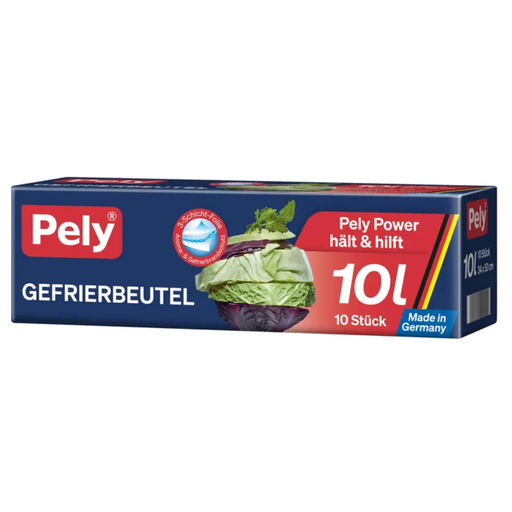
Why This Fits Their Persona: Perfect for families and home cooks who freeze large quantities at once, such as a whole goose, large loaves of bread, or a harvest from their own garden.
According to the manufacturer, the extra-strong 3-layer film is extremely tear-resistant and flexible in the cold, specifically avoiding the pitfall of thin, brittle material.
Very large 10-litre capacity for bulky frozen goods; integrated labelling area for easy freezer organisation.
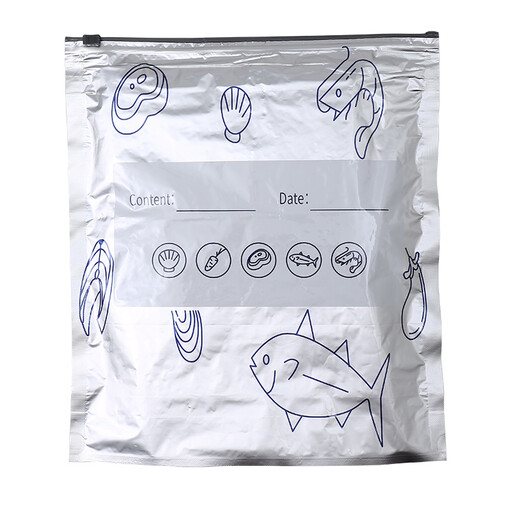
Why This Fits Their Persona: A solution for anyone looking to reduce plastic waste and seeking a durable, robust alternative for freezing meat, fish, and vegetables.
As a reusable freezer bag with a sturdy slider closure and robust composite material (PET/AL/PE), it bypasses both pitfalls: it is tear-resistant and provides a secure, airtight seal.
The aluminium layer blocks light and odours, which improves aroma protection; the bag is washable and reusable.
Beyond freezer bags, there are many other solutions for keeping food fresh or transporting it chilled. We've compiled a list of products that meet practical household criteria.
Freezer burn occurs when air reaches the surface of the frozen food and draws out moisture. To prevent this, you should squeeze as much air as possible out of the bag for freezing before sealing it. Use a bag that fits the size of the contents and ensure it has a completely tight seal. A robust, multi-layer film offers additional protection against freezer burn.
Yes, they are hygienic when handled correctly. Reusable freezer bags made of silicone or PE composites should be cleaned thoroughly after each use. Wash them by hand with warm water and mild washing-up liquid, and make sure they are completely air-dried before using them again. This prevents the growth of bacteria or residual odours.
BPA (Bisphenol A) is a chemical compound that was historically used in the production of certain plastics. Today, it is often avoided in products that come into contact with food. The "BPA-free" label signals that the manufacturer has deliberately avoided using this substance in the production of the plastic material. This is an established quality feature for food-safe materials.