
Lieferung heute & morgen

Qualitätsgarantie

Willkommens-Angebote freischalten: KOSTENLOSE Lieferung | Bis zu 80 % RABATT | Kostenlose 30-Tage-JoyPlus-Testphase
App herunterladen
By Joybuy Product Recommendation Officer, July 28, 2026
Freezing food is a practical method for stocking up, using leftovers, and reducing food waste. However, choosing the wrong bag can quickly lead to disappointment: freezer burn, leaks, and a disorganized freezer are common consequences. Many products on the market don't live up to their promises. This guide will show you which critical features to look for and how to avoid the common pitfalls when buying freezer bags.
Before you invest, you should be aware of the most common flaws that can render a freezer bag useless.
To ensure your food is optimally protected, you should check three core features before buying.
A robust deep freezer storage bag is made from a thicker, more resilient material than a simple sandwich bag. Look for Polyethylene (PE), as this material remains flexible and tear-resistant even at low temperatures. Some manufacturers use a special 3-layer film that offers additional protection against drying out and loss of flavor. A good freezer bag should be suitable for temperatures down to at least -40°C to perform its function reliably.
The seal is crucial to prevent freezer burn. There are various systems, each with specific pros and cons:
Choose the size that matches your intended use. Common sizes include:
A labeling area is an often-underestimated but very useful detail. It allows you to note the contents and freezing date directly on the bag, helping you keep track of your inventory.
Here are some recommendations tailored to different needs and households.
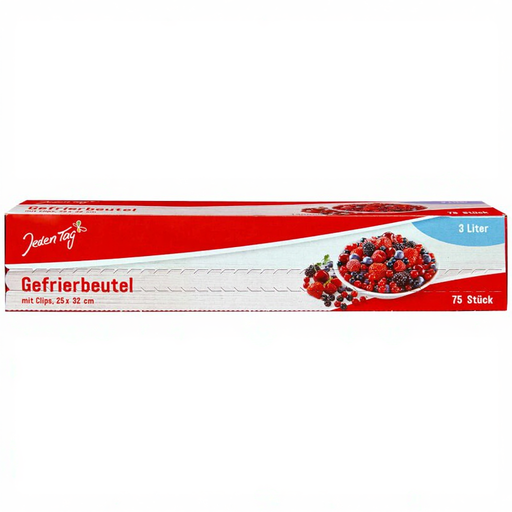
Why This Fits Their Persona: A straightforward and cost-effective solution for freezing standard quantities like bread, vegetables, or pre-cooked meals. The 3-liter size is versatile and ideal for everyday use in families.
The material is explicitly designed for freezing and is more durable than simple food storage bags, reducing the risk of tearing in the cold.
Good value for money; versatile 3-liter capacity for various foods.
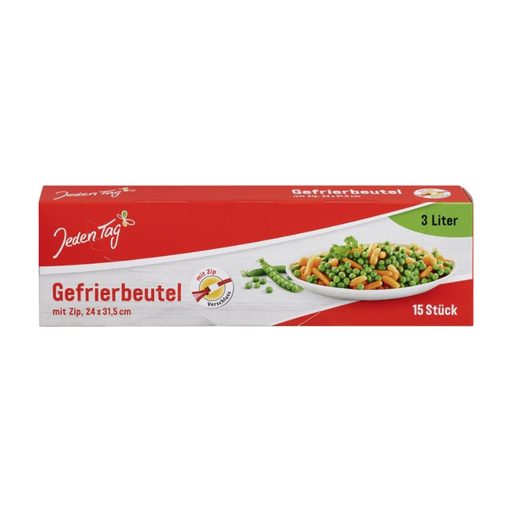
Why This Fits Their Persona: Perfect for meal preppers and anyone who values secure and easy handling. The integrated seal allows for quick, clean sealing and reopening, ideal for storing soups, sauces, or marinated meat.
The integrated zip closure solves the problem of unreliable clips or knots. It ensures a reliably tight seal, minimizing the risk of freezer burn and leaks.
Secure and leak-proof slider closure; temperature resistant from -40°C to +90°C; integrated labeling area.
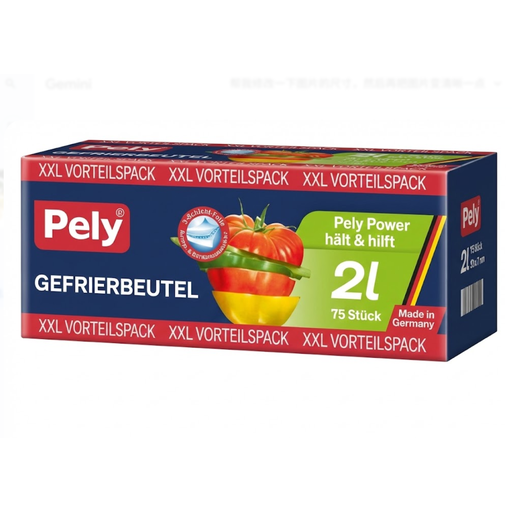
Why This Fits Their Persona: For households that regularly freeze large quantities or bulky items like whole chickens, large roasts, or loaves of bread. Its robust construction and large volume make it a reliable choice for bulk shopping.
The manufacturer's optimized 3-layer film counteracts the problem of thin, tear-prone material. It offers enhanced tear resistance, which is especially important for heavy or sharp-edged foods.
Large 4-liter capacity; extra tear-resistant due to multi-layer film; wide opening for easy filling.
The right storage solution depends on your individual needs. Explore our full range of storage bags to find the perfect size and seal type for your kitchen.
Freezer burn is caused by food coming into contact with air, which leads to dehydration. To prevent this, you should buy a high-quality, tear-resistant freezer bag. Squeeze as much air as possible out of the bag before sealing it. A freezer bag with a zip closure often has an advantage here, as it allows for a tighter seal than a simple clip.
Reusability depends on what was stored in the bag. For hygiene reasons, bags that contained raw meat, fish, or poultry should be discarded. Bags used for bread, fruit, or vegetables can often be carefully cleaned with warm, soapy water, rinsed thoroughly, and air-dried. However, always follow the manufacturer's instructions.
The main difference is the material. Freezer bags are made of a thicker, cold-resistant plastic (usually PE) that remains flexible even at sub-zero temperatures. Standard food storage bags are thinner and can become brittle and crack in the freezer. This leads to air circulation and no longer adequately protects food from freezer burn. Therefore, only designated freezer bags should be used for freezing food.