
Lieferung heute & morgen

Qualitätsgarantie

Willkommens-Angebote freischalten: KOSTENLOSE Lieferung | Bis zu 80 % RABATT | Kostenlose 30-Tage-JoyPlus-Testphase
App herunterladen
Freezer bags are a basic essential in many UK households. They help you portion leftovers, protect food from freezer burn and organise the space in your freezer. However, not every seemingly cheap offer provides the right solution. In everyday use, bag size, closure type and material thickness often determine whether food can be stored effectively.
A 1L freezer bag is generally suitable for smaller portions, fruit, vegetables or leftovers. However, it may be too small for a meal for several people. Conversely, very large bags take up unnecessary space if you usually freeze individual portions.
The shape is also important. A bag with a wide opening is easier to fill than a narrow bag with the same stated capacity. For large cuts of meat, bread or bulk portions, the dimensions are therefore just as relevant as the litre capacity.
Soups, stocks and marinades require a more secure seal. A simple clip or knot may leak when the bag is moved, compressed or stored horizontally. If you freeze liquids, look for resealable freezer bags, a freezer bag with a double seal or suitable vacuum bags.
A double seal does not automatically make the bag leak-proof. The closure must be completely sealed, and the bag should ideally be kept upright while freezing. A gusseted base can make filling easier too.
A bulk pack of freezer bags can reduce the cost per bag, but it is not the right choice for every household. If you only need bags occasionally, a smaller pack may be more suitable. Reusable silicone bags, on the other hand, reduce the use of disposable products, but they require cleaning, drying and sufficient storage space.
The following sizes cover typical household needs:
Capacity is a guide only. Before buying, compare the dimensions of your freezer compartment with the size of the food you intend to store. When freezing liquids, do not fill the bag to the brim, as the contents may expand as they freeze.
For food freezer bags, information about intended use and temperature range is essential. The pely models considered here are stated to remain flexible down to -40 °C. This manufacturer’s information relates to the relevant product description and should be checked against the details on the packaging.
A label such as BPA-free describes the material properties of the particular item. It does not replace checking whether the bag is approved for hot food, microwave use or other applications. Vacuum bags and vacuum-sealing bags are only suitable if they are compatible with the vacuum sealer you have.
Useful features include:
A simple closure is often sufficient for dry, solid foods. For sauces, soups or marinated ingredients, leak-proof freezer bags with a double seal are the more suitable choice. After filling, press out as much air as possible without overfilling the bag. Then close the seal across its entire width.
Freezer bags with a gusseted base are easier to fill with liquid foods. For especially compact storage, vacuum bags may be useful. They reduce the volume of air, but require a vacuum sealer and, depending on the material, may not be intended for every type of food or preparation method.
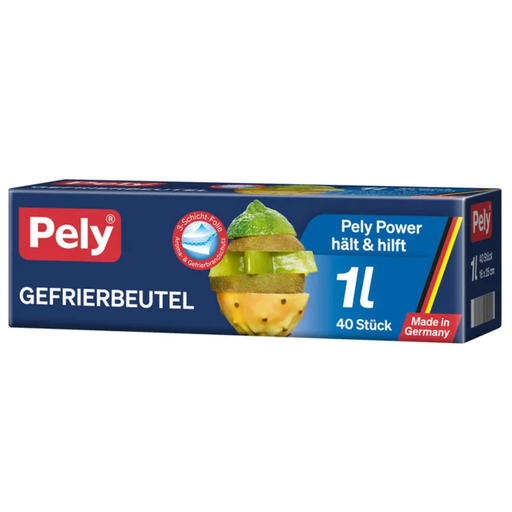
Why this product suits this profile: The 1-litre size is practical for everyday portions and smaller households. With 40 bags, you can try them out without committing to a bulk pack straight away.
The stated dimensions of 16 × 25 cm make the size easy to assess. A writable area helps you label the contents and date.
40 bags, 3-layer film, BPA-free material specification and flexibility down to -40 °C according to the product description.
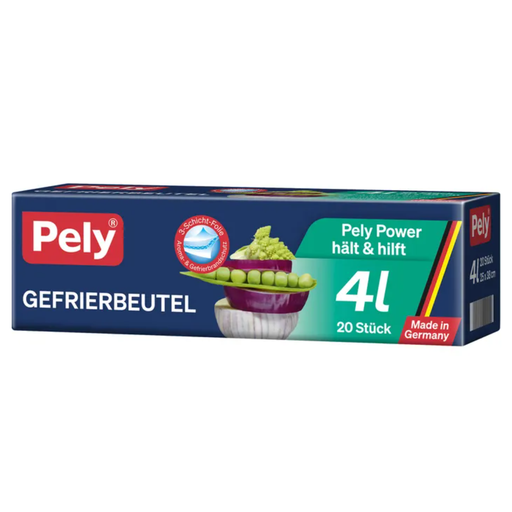
Why this product suits this profile: The 4-litre size is ideal for families, keen cooks and households storing larger portions or bulky foods.
The stated dimensions of 25 × 38 cm show whether the bag is large enough for bread, poultry or large cuts of meat. The wide opening makes filling easier.
20 bags, 3-layer film, BPA-free material specification and a writable labelling area.
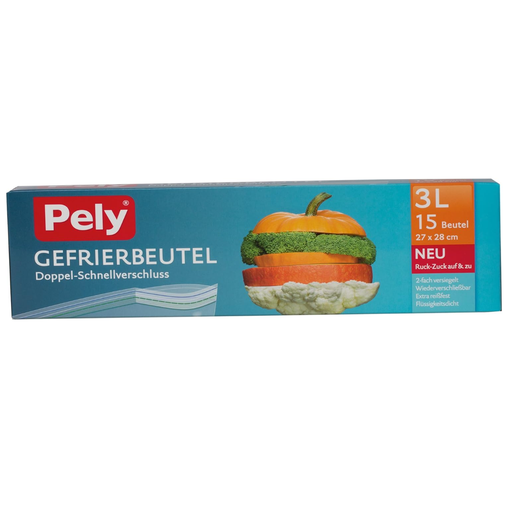
Why this product suits this profile: The double closure is useful for anyone who regularly portions soups, sauces, stocks or marinated foods.
Two sealing tracks help reduce the risk of the bag not being closed properly. Even so, always check that the closure is fully sealed after filling.
3-litre capacity, 15 bags and a double closure for storing liquid or marinated foods.
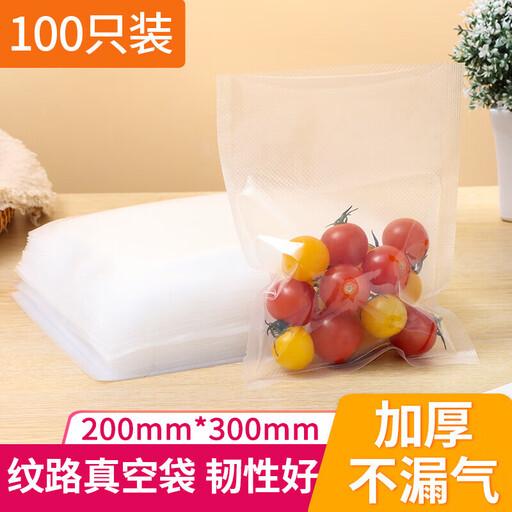
Why this product suits this profile: The pack of 100 bags is ideal for regular bulk storage, meal prep and households with a compatible vacuum sealer.
For regular use, the pack size means you need to restock less often. Before buying, check that the format and material work with your appliance.
100 pieces in a 20 × 30 cm format; according to the product description, designed for airtight sealing with standard vacuum sealers.
We have put together a complete, regularly updated list of products that fully meet these strict selection criteria and the safety regulations applicable in the EU.
For longer-term use, reusable silicone bags can be an alternative. They should be thoroughly cleaned and dried after every use. Check the product labelling for specific information on whether the bag is suitable for the dishwasher, microwave, boiling water or sous-vide cooking.
For individual portions, 1L freezer bags are often sufficient. For meals for two people or larger quantities of ingredients, 2-litre models are a good choice. Family portions and bulky foods generally require 4L or more. The bag’s dimensions and the volume of its contents are what matter—not just the name on the packaging.
That depends on the closure and the manufacturer’s information. Models with a double seal may be intended for soups, sauces and marinades. Do not overfill the bag; make sure it is completely sealed and store it upright when freezing it for the first time. For very runny contents, an additional container provides useful protection against leaks.
Disposable freezer bags should be thrown away if they are damaged or visibly dirty. Reusable silicone bags can be used several times if cleaned properly. There is no set lifespan, as the material, cleaning routine, temperature and mechanical stress all play a part. The key factors are an undamaged surface and a seal that continues to function properly.