
Lieferung heute & morgen

Qualitätsgarantie

Willkommens-Angebote freischalten: KOSTENLOSE Lieferung | Bis zu 80 % RABATT | Kostenlose 30-Tage-JoyPlus-Testphase
App herunterladen
Freezer bags are designed to protect food from moisture, freezer burn and odours. In practice, however, problems often arise not from the freezer itself, but from choosing the wrong size, a weak closure, or having unrealistic expectations of the material. It's also worth taking a close look at dimensions and handling when it comes to vacuum bags for clothing and space-saving storage solutions.
A rating of "2 litres" or "10 litres" describes the volume, but not necessarily the usable surface area. For bulky foods, length and width are what really matter. A 10-litre bag measuring 34 × 50 cm behaves very differently from a compact 2-litre freezer bag at 20 × 31 cm.
Dry foods and portioned baked goods are usually straightforward to seal. Liquid foods, marinades or soups demand more. A freezer bag with a double closure can provide an extra sealing barrier here. Even so, the bag should be frozen upright in a container until the contents are solid.
A classic freezer bag is sealed manually. A vacuum bag for clothing or bedding, on the other hand, requires a valve, a suitable vacuum cleaner and sufficiently strong seams or film bonds. Vacuum storage bags reduce the volume of soft textiles, but are not intended for food. Conversely, food bags are not automatically suitable for clothing or blankets.
These guidelines can help you choose:
Before buying, compare the internal dimensions with the available space in your freezer drawer. An overfilled bag is harder to seal and can be damaged by sharp edges or frozen foods.
Multi-layer films can be more resistant to tearing and puncturing than very thin disposable bags. According to product information, the pely models use three-layer films. The 2-litre, 4-litre and 10-litre variants are also stated to be BPA-free.
Nevertheless, it's important to:
A labelling panel prevents frozen portions from being mixed up. With a freezer bag with a double closure, both sealing strips must be fully closed. A slider or a visible closure marker can make checking easier.
For vacuum bags for clothing, on the other hand, a tight-sealing zip, a working valve and a suitable shape are key. Hanging models are practical for suits, coats and jackets. For duvets and blankets, cubic, self-standing space-saving storage bags are ideal.
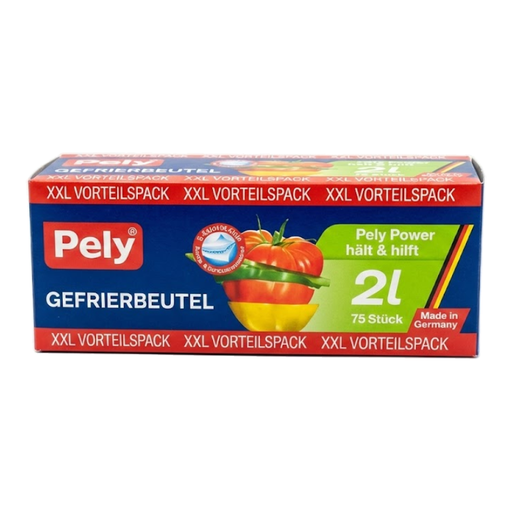
Why this product fits the profile: The 75-pack with 2 litres and dimensions of 20 × 31 cm is aimed at households that regularly portion food or prepare meal prep.
The stated three-layer film and wide opening address the risk of difficult filling and rapid damage.
75 bags, labelling panel and 2-litre format for regular standard portions.
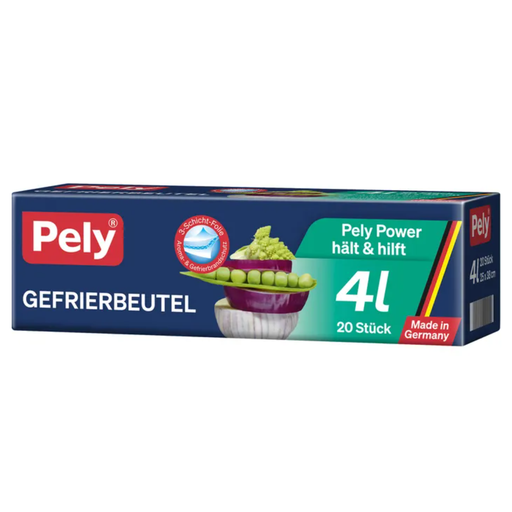
Why this product fits the profile: The 4-litre format with 25 × 38 cm offers more volume for family portions, bread or larger quantities of ingredients.
The specific size information makes planning easier. According to product details, the film is BPA-free and made with three layers.
20 pieces, labelling area and a format for larger solid or liquid food portions.
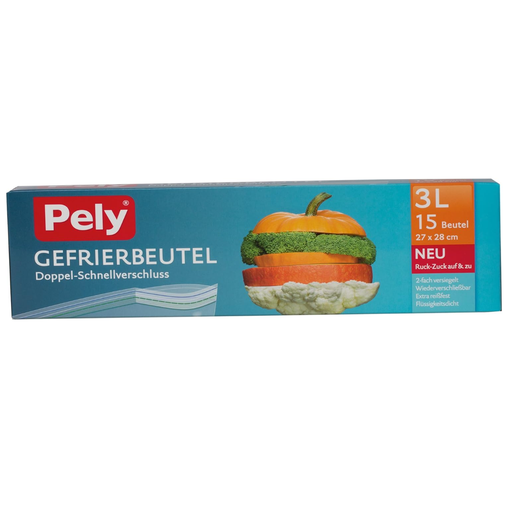
Why this product fits the profile: Two sealing strips and 3 litres of volume are practical for soups, marinades and larger prepared meals.
The double closure reduces the risk that a single poorly sealed strip will release the entire contents. Both strips must be fully closed.
15 bags, 3-litre capacity and double press-seal closure for liquid or marinated contents.
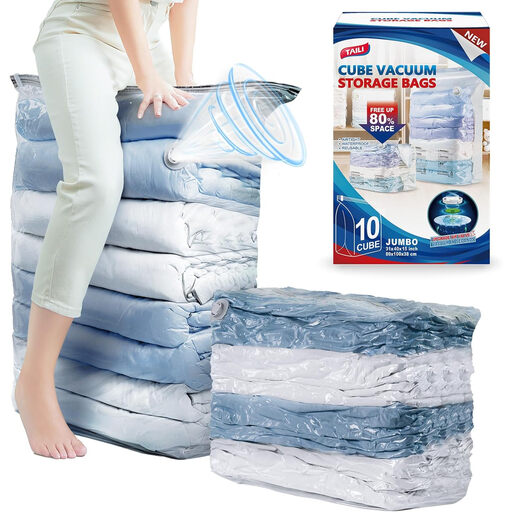
Why this product fits the profile: The cubic shape is designed for duvets, blankets, pillows and clothing in wardrobes, the loft or moving boxes.
The dimensions of 31 × 40 × 15 inches and the included sealing accessories help you choose based on actual space requirements rather than a generic volume figure.
10 cubic vacuum storage bags, PA/PE material and use with a standard vacuum cleaner.
We've put together a full, regularly updated list of products that fully meet these strict selection criteria and the safety regulations in force in the EU.
For smaller portions and meal prep, a 2-litre freezer bag is often sufficient. Family meals, bread or larger ingredients usually need 4 litres. A 10-litre freezer bag is intended for large quantities or bulky foods and requires correspondingly more space in the freezer.
A double closure can increase sealing security, but it doesn't replace careful use. Both strips must be closed, the bag must not be overfilled, and liquids should first be frozen in a stable position. Absolute leak-proofing cannot be guaranteed for plastic bags across the board.
The lifespan depends on the material, valve, zip and storage conditions. Sharp edges, overfilling and frequent heavy folding can damage the film. Before re-storing, check the bag, closure and valve, and make sure the textiles are stored dry.