You don’t automatically need an extra freezer for blanched broccoli lunch portions. If your existing freezer has enough room for the portions you’re planning and can reach and maintain −18 °C, it may be all you need. If you regularly prepare large batches, an additional appliance could be useful. Compare its freezing capacity and accessible compartments with the space you have and its annual energy consumption. Bigger doesn’t always mean better: a freezer runs continuously, so it should suit the amount you actually store.
Who this freezer solution is for
Regular batch cooks
You blanch several lunch portions at once and need room for fresh portions without thawing the food you already have stored. The Verbraucherzentrale and the Federal Centre for Nutrition offer guidance on freezer storage and freezing food in portions.
Meal planners short on time
You want to find and take out labelled individual portions quickly on weekdays, so easy-to-reach compartments matter more to you than maximum capacity. The Federal Centre for Nutrition recommends freezing food in portions.
Households short on space
First, you check whether your existing freezer has enough room. If you’re considering an extra appliance, think about its external dimensions, door clearance and ongoing electricity use. The Verbraucherzentrale and the Federal Environment Agency offer guidance on these points.
What to look for in a freezer for lunch portions
Existing freezer compartment or freezer
A good fit if: There’s enough room for the lunch portions you’re planning and the appliance can reach and maintain −18 °C.
The trade-off: You won’t need another appliance that runs continuously. Check that there’s room for new portions and that you can take them out easily.
Compact table-top freezer
A good fit if: You regularly add new portions, space is limited and separate compartments would make weekly meal planning easier.
The trade-off: An extra appliance uses electricity continuously. Depending on the model, compare freezing capacity, defrosting method and door storage.
Larger freezer or chest freezer
A good fit if: You need space not only for lunch portions but also for other supplies or larger batches that you store regularly.
The trade-off: An oversized appliance may use more electricity than necessary. The Verbraucherzentrale points out that a chest freezer may be more energy-efficient than an upright model; drawers can make individual portions easier to reach.
| Priority |
What to look for when buying |
Who is it important to? |
| Freezing fresh weekly batches |
Make sure there’s room for the new batch. The Verbraucherzentrale recommends −18 °C as the optimum freezing temperature for upright and chest freezers. |
When I prepare several portions of blanched food at once, I need room for the new batch without having to move older supplies. Around 36% of consumers put freezing fresh weekly batches first. |
| Taking out individual portions |
Check that your freezer containers fit in the compartments and that you can fully pull out the drawers where the appliance will stand. |
I want to be able to take out a portion on a weekday without moving other containers around. For around 29% of consumers, quick access to individual portions is the main priority. |
| Keeping ongoing electricity use down |
Compare annual energy consumption in kWh for appliances with a capacity that suits your needs. The European Commission explains the information on the EU energy label, and the Federal Environment Agency points out that freezers run continuously. |
If I add another appliance, I want to weigh its annual energy use against what I actually need. Around 21% of consumers prioritise ongoing electricity costs. |
| Space and door clearance |
Measure the floor space, delivery route and clearance needed with the door open. Exquisit lists a depth of 107 cm with the door open for the GS81-040C weiss. |
In a small kitchen, I need to allow for the space the appliance takes up, the delivery route and the open door. Around 14% of consumers say suitable dimensions and door clearance are their main concerns. |
Avoiding common buying mistakes
-
Choosing solely on the basis of capacity
An appliance should suit the amount of food you actually store. If you only have a few lunch portions, your existing freezer may be enough. An oversized appliance will still run continuously.
First, note the containers and the number of portions you want to store at the same time, then choose the capacity you need.
An unnecessarily large appliance that runs continuously can increase your electricity use.
-
Assuming MinFrost, static cooling and NoFrost are the same
Beko describes the FSE1074N as statically cooled and MinFrost as a system that reduces ice build-up. Liebherr describes the FNe 1404 as a NoFrost appliance. These terms aren’t interchangeable.
Check the defrosting method in the specification sheet for the exact model variant before choosing an appliance.
With an appliance without NoFrost, manual defrosting can take time.
-
Measuring only the appliance width
The depth and door clearance affect whether the appliance will fit and whether you’ll be able to pull out the drawers where you plan to put it. Exquisit lists the GS81-040C weiss as deeper with the door open than it is when closed.
Before ordering, measure the space, door swing, drawer clearance and delivery route.
If the space isn’t suitable, you may need to move the appliance or change the door hinge.
A guide to freezer brands worth considering
Bosch
The Bosch GTV15NWEB is a compact table-top freezer that offers a useful point of comparison for storing prepared batches.
- Bosch lists a capacity of 83 l, a freezing capacity of 4,0 kg/24 h and a Super Freeze function for this model.
- Bosch gives the GTV15NWEB an energy rating of E and annual energy consumption of 164 kWh/year; this model doesn’t have NoFrost.
Beko
The FSE1074N is a compact table-top appliance for adding a limited amount of freezer space.
- Beko lists a reversible door and MinFrost, which is marketed as a system that reduces ice build-up.
- Beko’s technical specifications list a capacity of 95 l, while the heading on the same product page says 90 l. Beko describes the cooling as static; MinFrost isn’t the same as NoFrost. Before ordering, check the definitive specification sheet for the model variant.
Liebherr
The FNe 1404 Pure is a compact table-top freezer with NoFrost.
- Liebherr lists a capacity of 92 l, dimensions of 85 × 55 × 60,7 cm and NoFrost for this model.
- The manufacturer’s stated suitability for environments down to −15 °C applies to this model, not to all freezers.
Exquisit
The GS81-040C weiss is a compact upright freezer with drawers.
- Exquisit lists a capacity of 87 l, three drawers, annual energy consumption of 105,04 kWh/year and dimensions of 54,5 × 85 × 58 cm. The stated depth with the door open is 107 cm.
- The product page offers a choice of energy ratings C and D. Check the energy rating of the specific variant on offer.
Joybuy freezers for extra storage
The Joybuy options below range from compact extra appliances to larger freezers. For blanched broccoli portions, it’s important that the specific model can reach and maintain −18 °C and is suitable for the size of batch you’re planning.
 No image available
Heinrich´s freezer, 161 l (Inox)
The larger stated capacity may suit several prepared portions and other supplies. Compare the space you need with the size of your usual batches.
The product title lists 161 l, NoFrost, energy rating C, three freezer drawers and two additional drawers. The stated temperature range is −14 °C to −22 °C. Check whether the appliance can actually reach and maintain the −18 °C required for storage.
Joybuy
 No image available
homeX FSN2041E-S freezer, 204 l
The stated capacity may suit you if you’re planning to store other supplies alongside your lunch portions. Measure the space and factor in ongoing energy use.
The product title lists 204 l, NoFrost, Super Freeze, 39 dB and energy rating E. Check that the specific appliance can reach and maintain −18 °C for the way you plan to use it.
Joybuy
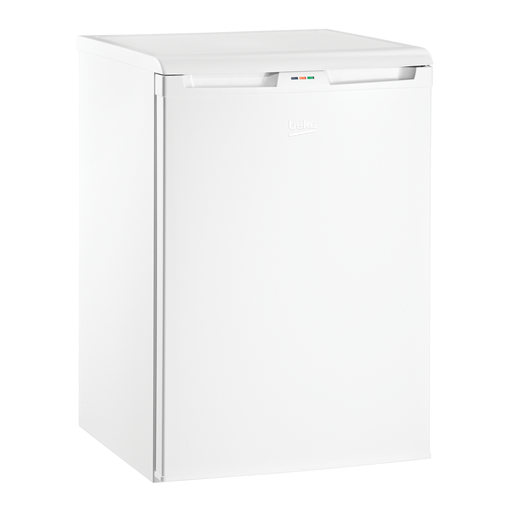 No image available
Beko FSE1074N b100 table-top freezer, 95 l
A table-top appliance may be a good option if you need extra freezer space but have limited room. Check that the compartments are big enough for your freezer containers.
The product title lists 95 l, MinFrost, 37 dB and energy rating E. Beko’s technical specifications list a capacity of 95 l, but the heading gives 90 l. Check the capacity and dimensions against the definitive specification sheet for the variant on offer. MinFrost isn’t NoFrost.
Joybuy
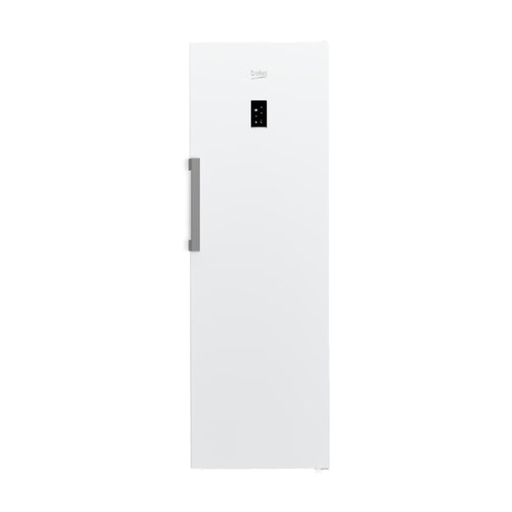 No image available
Beko B7RFNE316W freezer, 286 l
The stated capacity may suit larger batches and extra supplies. Check that you have enough space and that the ongoing energy use is right for your needs.
The product title lists 286 l, No Frost, energy rating C and 40 dB. Before using it to store broccoli, check whether the specific model can reach and maintain −18 °C.
Joybuy
 No image available
COMFEE RCU40WH2(E) mini freezer, 31 l
The compact capacity may suit a small amount of extra frozen food. Compare it with the number of portions you plan to store at once.
The product title lists 31 l, a 4-star freezer compartment, a reversible door, 147 kWh/year and energy rating E. Check whether there’s enough room for the lunch portions you’re planning.
Joybuy
Freezing and freezer FAQs
How should I prepare blanched broccoli for individual lunch portions?
Divide the broccoli into the quantities you’ll need for your lunch portions. The Federal Centre for Nutrition recommends freezing food in portions and not placing fresh food directly on top of food that’s already frozen.
Does the freezer keep my packed lunch chilled while I’m out?
No. Freezing food at home won’t keep perishable ingredients chilled while you’re out once you take them out of the freezer. The German Federal Institute for Risk Assessment recommends keeping perishable foods chilled when travelling, too. The right way to keep them cool depends on the dish and how long it is until you eat it.
What can I learn from the EU information when comparing two freezers?
The EU energy label includes details such as the energy efficiency rating, annual energy consumption in kWh, freezer capacity and airborne acoustical noise emissions. The European Commission explains this information. Compare annual energy consumption for appliances with a capacity that suits your needs.
What should I check about space and running costs before ordering?
Measure the space, delivery route and clearance needed to open the door, and check the installation instructions for your chosen model. For ongoing energy use, consider the appliance’s kWh/year and your electricity tariff. If needed, also check which services, such as connection or changing the door hinge, are included in the specific offer.
Can an old freezer go in household waste, and can I return it when buying a new one?
No. Old electrical appliances must not go in household waste. The Verbraucherzentrale lists local collection points and notes that retailers required to accept returns generally offer free take-back of a similar, larger old appliance when you buy a new one. Check how this works with your retailer before delivery.


