
Lieferung heute & morgen

Qualitätsgarantie

Willkommens-Angebote freischalten: KOSTENLOSE Lieferung | Bis zu 80 % RABATT | Kostenlose 30-Tage-JoyPlus-Testphase
App herunterladen
Anyone looking to buy a freezer will usually compare the price and capacity first. However, several other factors matter when choosing a solution that will remain suitable in the long term: the design, available space, energy consumption, noise level and interior organisation. An inexpensive appliance can prove impractical if it lacks drawers, the door opens the wrong way or the recommended ambient temperature is unsuitable.
This buying guide from the Joybuy Product Recommendation Officer explains what households, singles, couples and families should consider when buying a freezer.
The litre figure describes the internal volume. With a drawer freezer, thick walls, flaps and dividers can reduce the practically usable space. So, as well as checking the capacity, look at the interior layout. A small freezer with transparent drawers can be easier to organise day to day than a larger, unstructured model.
A No Frost freezer largely prevents ice build-up through circulating-air cooling. This reduces the need for manual defrosting. However, cleaning, checking the door seal and keeping the ventilation areas clear are still necessary. With Low Frost or MinFrost appliances, occasional defrosting may still be required.
The energy efficiency class is a standardised comparison value, but the figure that matters most for running costs is the stated annual consumption in kilowatt hours. Use this simple calculation:
Annual consumption × your electricity price per kilowatt hour = annual electricity costs
Ambient temperature, how full the appliance is, how often the door is opened and sufficient ventilation can also affect actual consumption.
A freestanding freezer can be placed flexibly in the kitchen, utility room or cellar. An upright freezer generally takes up less floor space and gives you easier access to individual foods. A chest freezer, on the other hand, makes efficient use of floor space, but needs more room to open the lid and can be less easy to organise when storing smaller items.
For a small flat, office or holiday home, a mini freezer, small freezer or 60-litre freezer may be suitable. Before buying, measure the width, depth and height, including the clearance required for air circulation. Also check which way the door opens. A reversible door makes it easier to adapt the appliance to your existing furniture.
The right size depends on your shopping habits and how often you freeze food:
A 100-litre freezer or small chest freezer is suitable, for example, where floor space is limited. If you regularly freeze larger quantities, consider a 200-litre freezer or a comparable model with several compartments.
The 4-star rating on freezers indicates a storage temperature of at least −18 °C and suitability for storing frozen food over longer periods. The freezing capacity in kilograms per 24 hours shows how much fresh food can be frozen within one day.
For a garage freezer, the climate class is crucial. Not every appliance is designed for unheated rooms or low temperatures. Check the manufacturer’s information on the permitted ambient temperature. According to the product information, the Beko model in this selection is intended for unheated rooms down to −15 °C. With other appliances, a cellar or garage may fall outside the recommended range.
Noise levels also deserve attention. Figures of around 36 to 41 dB are relevant for living areas, particularly in open-plan kitchens or small rooms. However, the stated measurement should not be taken to mean that the appliance is completely silent.
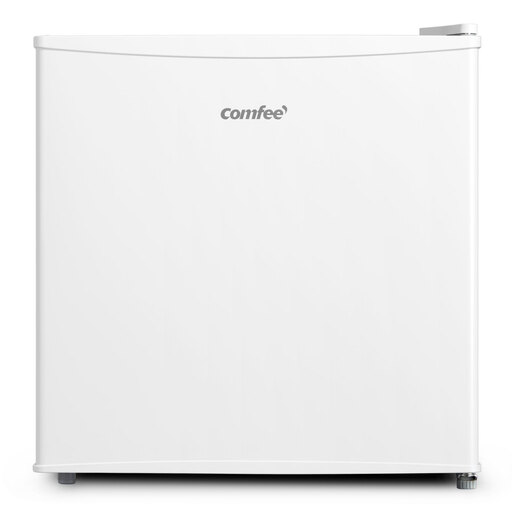
Why this product suits the profile: With a capacity of 31 litres, this compact appliance is ideal for singles, offices, small flats or a holiday home where space is limited.
Its compact size makes the space required clear. The reversible door prevents the door from opening awkwardly in a tight alcove.
31 litres of usable capacity, 4-star freezer compartment, freezing capacity of 2 kg per 24 hours and a noise level of 41 dB.
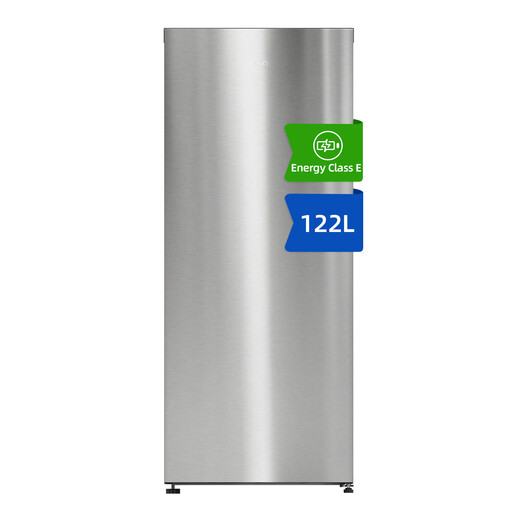
Why this product suits the profile: This model combines an upright design with No Frost, Multi-Airflow, electronic controls and a reversible door.
No Frost reduces the risk of heavy ice build-up. The stated noise level of 39 dB is suitable for many living areas.
122 litres, 4-star freezing, No Frost system, LED lighting and several operating modes, including refrigeration mode.
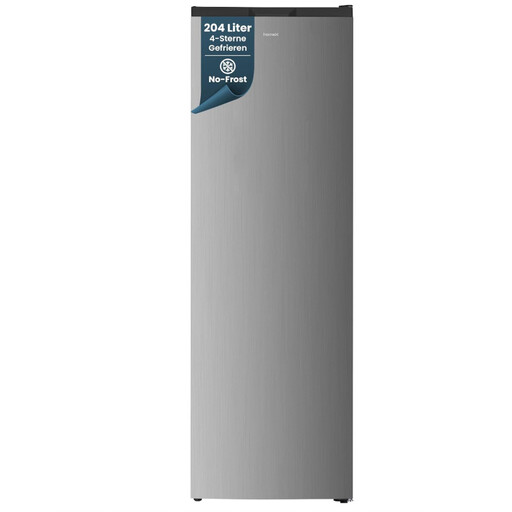
Why this product suits the profile: With its generous internal volume, six drawers and compartments for sorting, this freezer is ideal for families, house shares and households that like to stock up.
The structured interior helps prevent confusing piles of food. No Frost reduces maintenance caused by ice build-up.
204 litres of usable capacity, No Frost, Super Freeze function, 39 dB and energy efficiency class E according to the product information.
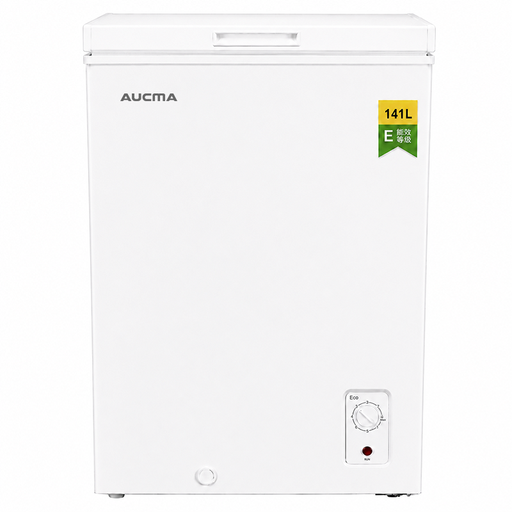
Why this product suits the profile: Depending on your needs, this chest freezer can switch between refrigeration and freezing modes, making it suitable for the home, garage or small catering businesses.
The removable basket provides a second level of organisation. A drain at the front makes emptying the appliance easier when defrosting.
141 litres, 7-stage thermostat, 38 dB, annual consumption of 179 kWh according to the product information and castors for easier positioning.
We have put together a complete, regularly updated list of products that fully meet these strict selection criteria and the safety regulations applicable in the EU.
Place the appliance on a level, stable surface and observe the clearances specified in the instruction manual. Do not cover the ventilation slots. Before using an appliance that has been transported for the first time, leave it standing upright for several hours so that the refrigerant can settle. The exact waiting time depends on the manufacturer’s instructions.
Allow hot food to cool down first and do not overfill the appliance. Open the door only briefly. In the event of a power cut, keep the door closed wherever possible so that the temperature is maintained for longer. Unplug the appliance before cleaning or defrosting it. Do not use sharp objects or heating appliances to remove ice more quickly.
For one person, around 60 to 100 litres is often sufficient if you are only storing a limited supply of food. Couples often choose 100 to 150 litres. Families or households that regularly batch cook generally need 160 litres or more. The key factor is how often you shop and freeze food.
This cannot be answered based on the class alone. Compare the annual consumption in kWh and multiply it by your electricity tariff. A larger appliance may use more electricity than a smaller model, even if they have the same energy efficiency class. Good ventilation and opening the door infrequently help keep consumption within the intended operating range.
A specific service life cannot be guaranteed. It depends, among other things, on usage, location, maintenance and the strain placed on the compressor. When buying, check the warranty terms, availability of spare parts and the manufacturer’s guidance. Regularly cleaning the door seal and keeping the ventilation clear do not automatically extend the service life, but they help support the intended operation.