
Lieferung heute & morgen

Qualitätsgarantie

Willkommens-Angebote freischalten: KOSTENLOSE Lieferung | Bis zu 80 % RABATT | Kostenlose 30-Tage-JoyPlus-Testphase
App herunterladen
A freezer provides extra storage space for frozen food, prepared meals and seasonal produce. Before buying, however, capacity is not the only factor that matters. Dimensions, energy consumption, noise level and ambient temperature all determine whether the appliance is genuinely suitable for everyday use.
A large freezer may offer plenty of usable capacity, but it can be impractical if it has only a few compartments or a confusing interior layout. With an upright freezer, transparent drawers and flaps make it easier to sort food by category. A chest freezer often accommodates larger packages, but finding items requires more organisation and bending down.
A NoFrost freezer circulates cold air and is designed to eliminate the need for manual defrosting. Low Frost or MinFrost systems reduce ice build-up, but do not always eliminate the need to defrost. The specific appliance description and user manual are therefore more important than general advertising claims.
The EU energy label ranges from A to G. An energy class E freezer with a small capacity may use less electricity than a much larger appliance in the same class. The stated annual consumption in kilowatt hours, combined with the usable capacity and intended use, is therefore what really matters.
For single occupants or small kitchens, a mini freezer or tabletop freezer with around 30 to 60 litres may be sufficient. For two people or use as a second appliance, models between 80 and 180 litres are often more flexible. Families, bulk buyers and people who regularly prepare meals in advance can benefit from 200 litres or more.
Do not measure only the footprint. Also take the door or lid opening, clearance from walls, route for delivery and ventilation into account. With a chest freezer, there should be enough space above it to open the lid fully.
Freezing capacity is generally stated in kilograms per 24 hours. If you regularly freeze fresh food, look for suitable freezing performance and a fast-freeze function. This function temporarily lowers the temperature further. Even so, the maximum quantity specified in the manual should be observed.
A 4-star freezer compartment is intended for the long-term storage of frozen food at at least −18 °C. Transparent drawers, removable baskets and separate compartments make it easier to keep track of your supplies and reduce the time spent searching with the door open.
Compare annual consumption directly on the energy label. An energy-efficient freezer may be more economical in the long term if it is used frequently, even if its purchase price is higher. Actual costs depend on the electricity tariff, room temperature, level of loading and maintenance condition.
For living kitchens and open-plan layouts, 36 to 40 dB is generally pleasantly unobtrusive. An appliance rated at 41 dB may still be suitable for a cellar or garage. Also check the climate class. A freezer intended for a garage or cellar must be approved for the temperatures expected there. According to the product information, for example, the Beko FS127940N is designed for unheated rooms with an ambient temperature of down to −15 °C. This does not mean that every freezer can be operated in winter temperatures.
A reversible door hinge is useful if the layout of the room may change later. Before buying, you should also check whether the door can be reversed yourself according to the manual or whether this requires a service visit.
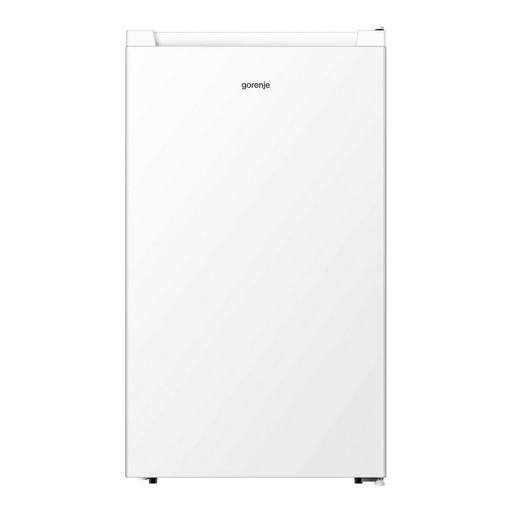
Why this product suits this profile: With 61 litres of usable capacity, this compact appliance is suitable for single occupants, small households or as additional freezer space in the kitchen, office or cellar.
The clearly stated dimensions of 475 × 448 × 842 mm make it easier to plan where it will stand. The reversible door hinge prevents you from being tied to one opening direction.
4-star freezer compartment, freezing capacity of 3 kg per 24 hours, noise level of around 38 dB and energy class E.
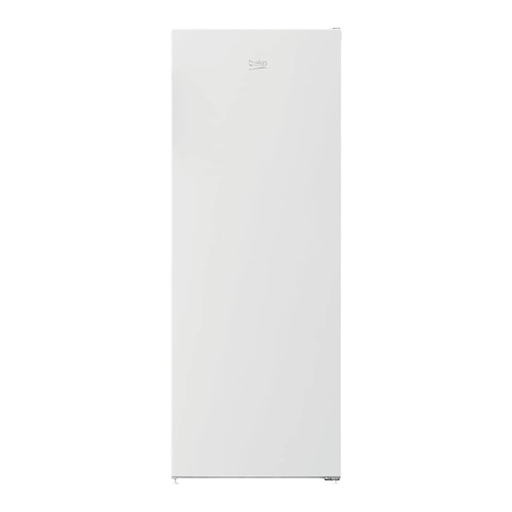
Why this product suits this profile: This model combines 177 litres of usable capacity with NoFrost, a temperature alarm and a well-organised interior.
The NoFrost designation is backed by a specific defrosting system. An additional alarm warns of a possible rise in temperature.
3 drawers, 2 compartments, fast-freeze function, reversible door hinge and a noise level of 40 dB.
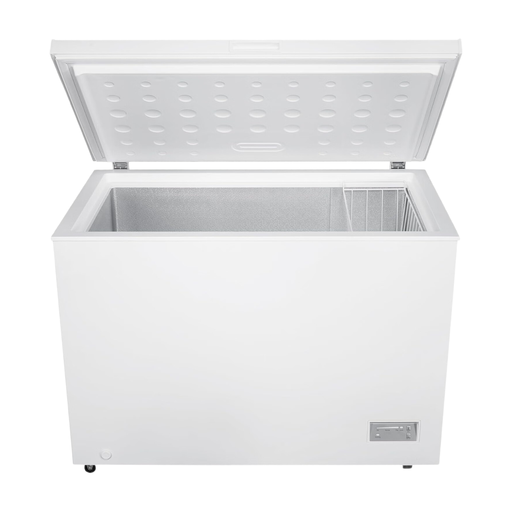
Why this product suits this profile: With 308 litres of usable capacity and a freezing capacity of 16 kg per 24 hours, it is well suited to families, bulk buyers and use in a cellar or garage.
The dimensions of 112 × 70 × 84.5 cm make the space required clear. A temperature warning indicates possible deviations.
4 castors, a removable basket, a noise level of 40 dB and climate class SN-T according to the product information.
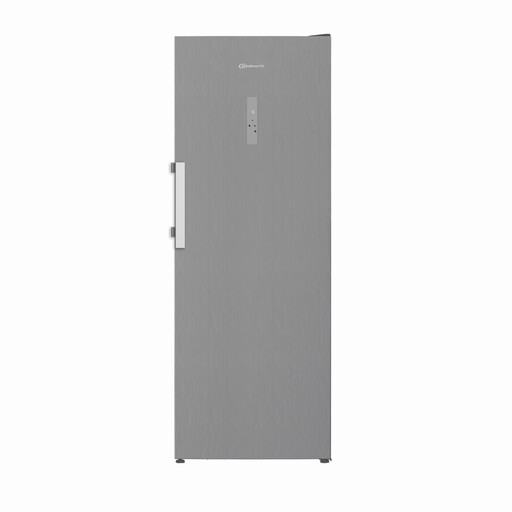
Why this product suits this profile: Its 404-litre capacity, NoFrost technology and switchable use as either a freezer or refrigerator make it suitable for substantial food supplies.
The height of 191.2 cm and width of 70 cm should be measured before ordering. The six drawers help prevent unorganised stacking.
Freezing capacity of 19 kg per 24 hours, 38 dB, energy class D, fast-freeze function and app connectivity according to the product data.
We have put together a complete, regularly updated list of products that fully meet these strict selection criteria and the safety regulations applicable in the EU.
As a general guideline, allow 50 to 80 litres of usable capacity per person. Your actual requirements depend on how often you buy fresh food, prepare meals in advance or store supplies. A smaller appliance is often sufficient for occasional use, while families who shop less frequently need more reserve capacity.
This depends on the climate class and the permitted ambient temperature. Not every appliance is designed for unheated rooms. Check the manufacturer’s specifications and install the appliance in a dry, stable location with sufficient ventilation. Direct sunlight, frost outside the permitted range and strong heat sources should be avoided.
Set the temperature according to the instructions, allow hot food to cool first and open the door only briefly. An intact door seal, unobstructed ventilation areas and regular defrosting for static appliances all help ensure efficient operation. When buying a freezer, also compare annual consumption in kilowatt hours rather than looking only at the energy class.