
Lieferung heute & morgen

Qualitätsgarantie

Willkommens-Angebote freischalten: KOSTENLOSE Lieferung | Bis zu 80 % RABATT | Kostenlose 30-Tage-JoyPlus-Testphase
App herunterladen
An additional freezer creates extra storage space for supplies, frozen vegetables, prepared meals or seasonal food. The choice ranges from a mini freezer for a small kitchen to a tall upright freezer for families. However, differences in capacity, energy consumption, noise level and defrosting system determine whether the appliance will suit your everyday needs in the long term.
A large capacity figure may sound convincing at first. However, the key figure is the net capacity – the storage space you can actually use. Drawers, flaps and air ducts take up room. So don’t just compare the external dimensions; also check the stated capacity and the interior layout.
A No Frost freezer prevents ice build-up through circulating-air cooling and generally eliminates the need for manual defrosting. This is convenient, but it can involve a certain level of noise and greater technical complexity. Appliances with MinFrost or Low Frost reduce ice formation, but depending on the model may still require occasional defrosting.
On the EU energy label, the energy efficiency class alone is not enough for a fair comparison. You should also check the stated annual consumption in kWh. A larger class D freezer may use more electricity overall than a small class E appliance, but it also offers considerably more usable capacity. Running costs depend on the combination of the kWh figure, size and electricity tariff.
For single-person households or a holiday home, a small freezer with around 30 to 85 litres may be sufficient. A tabletop freezer or compact upright model can often be placed beneath a worktop or in a niche. Models between around 120 and 200 litres are worth considering for couples and smaller families. If you store larger quantities, consider a large freezer with around 280 litres or more.
A freezer with drawers makes it easier to sort food by category. Flaps are more suitable for flat packaging or frequently used items. Before ordering, measure the height, width and depth, including the door-opening radius. You must also allow for the manufacturer’s specified ventilation clearance.
Compare the annual consumption in kWh and the noise level in dB. Levels of around 34 to 40 dB may be suitable for open-plan kitchens or adjoining work areas. A level of 41 dB may be unproblematic in a kitchen, but could be more noticeable in a quiet bedroom or office.
The energy efficiency class ranges from A to G. It is only meaningful to compare within similar appliance sizes. An energy-efficient freezer should also not be placed next to radiators, cookers or in direct sunlight, as warm surroundings can affect cooling performance.
A fast-freezing function temporarily lowers the temperature when larger quantities of fresh food are being frozen. When checking this feature, look at the stated freezing capacity in kg per 24 hours. A temperature alarm can warn you if the door is left open or the internal temperature rises.
For a freezer for a garage or cellar, the climate class is particularly important. Not every appliance is suitable for unheated rooms. According to the product specifications, some of the following models are designed for ambient temperatures as low as -15 °C. A reversible door and adjustable feet make it easier to adapt the appliance to tight or irregular spaces.
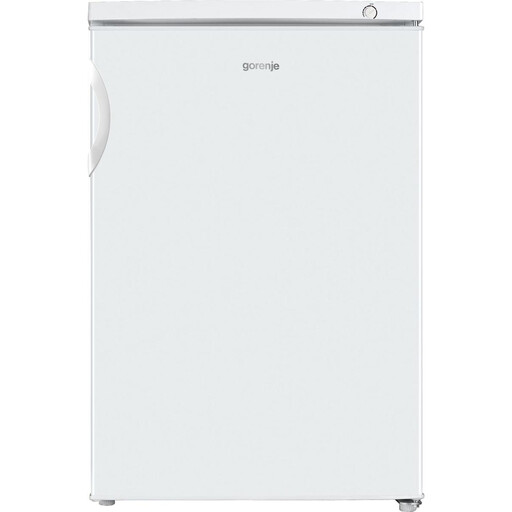
Why this product suits the profile: This compact appliance offers 85 litres of usable capacity and is suitable for single-person households, small homes or use as an additional freezer.
The stated annual consumption is 131 kWh. The three transparent drawers make it easy to see and organise contents despite the compact size.
Energy efficiency class D, EcoMode, freezing capacity of 4 kg per 24 hours and reversible door hinge.

Why this product suits the profile: This freestanding freezer combines generous usable capacity with No Frost technology and a well-organised interior layout.
No Frost reduces ice build-up and the need for manual defrosting. The noise level is stated as 34 dB.
Energy efficiency class D, freezing capacity of 17 kg per 24 hours, five drawers and operation, according to the specifications, at ambient temperatures as low as -15 °C.
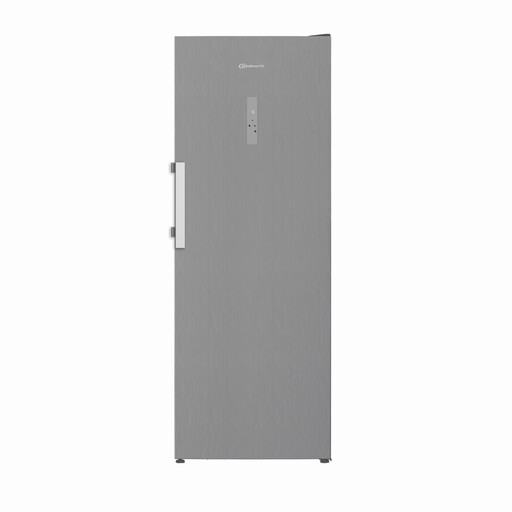
Why this product suits the profile: With a capacity of 404 litres, this appliance is aimed at households that need to store large supplies and regularly freeze sizeable quantities.
The six drawers support organised storage. No Frost eliminates the need for regular manual defrosting.
Multi-zone operation between freezer and refrigerator modes, freezing capacity of 19 kg per 24 hours, energy efficiency class D and 38 dB.
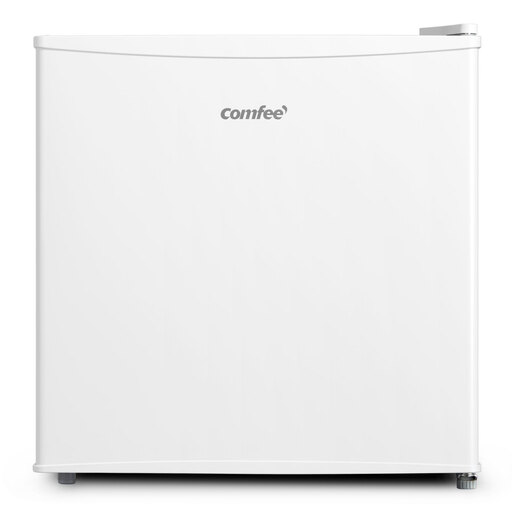
Why this product suits the profile: This compact appliance is suitable for an office, holiday home, small kitchen or as an additional freezer where space is limited.
The external dimensions and 31 litres of usable capacity help prevent unsuitable purchases for small spaces. The reversible door hinge makes room planning easier.
4-star freezer compartment, freezing capacity of up to 2 kg per 24 hours, energy efficiency class E and 41 dB.
We have put together a complete, regularly updated list of products that fully meet these strict selection criteria and the safety regulations applicable in the EU.
Place the freezer on a level, stable surface and leave the clearances specified in the manual around the appliance. After transport, the appliance should remain upright for the period specified by the manufacturer before it is connected. Check the door seal regularly for dirt.
Do not load more fresh food than the stated freezing capacity allows. After loading the appliance, the fast-freezing function helps stabilise the temperature more quickly. If there is a power cut, keep the door closed as much as possible. Bottles and containers holding liquids need sufficient space, as their contents can expand when frozen.
For one person or as an additional appliance, 30 to 85 litres may be sufficient. Couples and small families often consider around 120 to 200 litres. The actual requirement depends on how often you shop and whether you regularly freeze larger quantities.
No Frost reduces ice build-up and normally eliminates the need for manual defrosting. This feature is particularly convenient if the appliance is opened frequently or is intended for long-term use. Nevertheless, pay attention to the noise level, annual consumption and the actual interior layout.
This depends on the climate class and the permitted ambient temperature. Only models whose manufacturers explicitly approve this type of use are suitable for unheated garages or cellars. You must also take account of moisture, ventilation and frost protection at the installation location.