
Lieferung heute & morgen

Qualitätsgarantie

Willkommens-Angebote freischalten: KOSTENLOSE Lieferung | Bis zu 80 % RABATT | Kostenlose 30-Tage-JoyPlus-Testphase
App herunterladen
A freezer provides extra storage space for frozen food, meal prep and larger shops. However, choosing the right one depends on more than capacity or an attractive price. The design, location and ease of use determine whether the appliance remains practical in everyday life.
A large litre figure on a product page does not always reflect the genuinely usable interior space. Pay attention to the net capacity and consider how much room is taken up by baskets, drawers or interior walls. A 95-litre freezer may be sufficient for a single-person household, while families often need more than 200 litres.
The noise level should be stated in dB or dB(A). Values between around 36 and 40 dB are considered relatively unobtrusive in many living situations, although perceived noise also depends on the room and installation location. An appliance for an open-plan kitchen should therefore not be chosen on price alone.
Not every freezer is suitable for unheated rooms. Check the climate class and the specified temperature range. According to the product information, the Beko FS127940N can be operated in unheated rooms down to -15 °C. This is a specific manufacturer’s statement, but you should still consult the installation instructions. Even a freezer intended for a garage needs adequate ventilation, a dry surface and sufficient clearance from heat sources.
An upright freezer makes use of vertical space and usually features drawers or flaps. Food can be organised clearly, and access is easier on your back. Models such as the Beko FS127940N combine 244 litres of net capacity with five drawers and two flap compartments.
A chest freezer opens from the top. Relatively little cold air escapes when it is opened, but food is stored on top of other food. A removable basket makes organisation easier. For supplies, packs of meat or seasonal food, a 140-litre chest freezer can be a sensible choice.
A tabletop freezer or compact freezer fits underneath or beside a worktop. Capacities of 31 to 95 litres are often suitable for single people, couples, offices or holiday homes. Before buying, measure the available floor space, door opening and worktop height.
As a rough guide:
The size of your household is not the only important factor; your shopping routine matters too. Anyone who frequently cooks from fresh ingredients and freezes food in portions will need a different interior layout from someone who mainly stores individual frozen products.
The EU energy label ranges from A to G. A class E energy-efficient freezer will not necessarily cost the same to run as every other appliance in the same class. You should therefore compare the stated annual consumption in kWh.
A simple calculation is:
Annual consumption in kWh × your electricity price per kWh = estimated annual electricity costs
You should also look for tightly closing door seals, unobstructed ventilation grilles and as constant a room temperature as possible. Frequent opening and storing warm food increase energy consumption regardless of the energy label.
A NoFrost freezer removes humid air in a controlled way, thereby reducing ice formation. According to the product information, the homeX FSN2041E-S includes a NoFrost function; manual defrosting is not required with this technology. Nevertheless, cleaning and checking the seal remain necessary.
MinFrost reduces ice formation, but does not necessarily eliminate it entirely. Appliances with this function may still need occasional manual defrosting.
A fast-freeze function temporarily lowers the temperature when larger quantities of fresh food are being stored. Check the stated freezing capacity in kg per 24 hours and switch the function off again in accordance with the manufacturer’s instructions.

Why this product suits this profile: The 95-litre capacity, seven-stage thermostat and relatively compact design make it suitable for homes with limited space. According to the product description, the appliance can be switched between cooling and freezing modes.
The stated net capacity, 38 dB noise level and annual consumption of 165 kWh provide specific points of comparison rather than vague advertising claims.
Switchable cooling and freezing modes, removable basket and drain for defrosting.
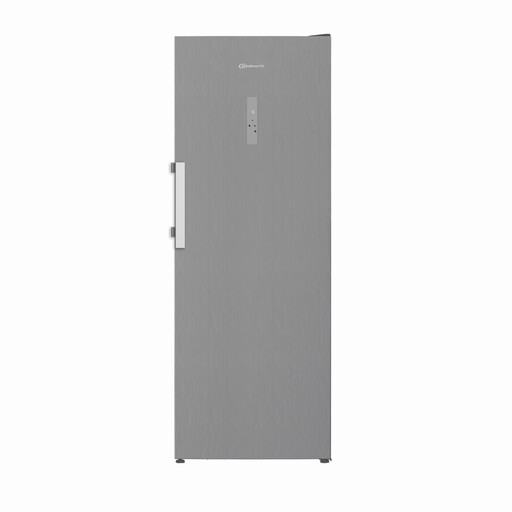
Why this product suits this profile: With 404 litres of net capacity, NoFrost, six drawers and a multi-zone function, this model is aimed at households requiring substantial storage space.
NoFrost reduces maintenance; the temperature and door alarms address the risk of unnoticed temperature rises.
D energy efficiency class, 38 dB, super-freeze function and freezing capacity of up to 19 kg per 24 hours according to the product data.
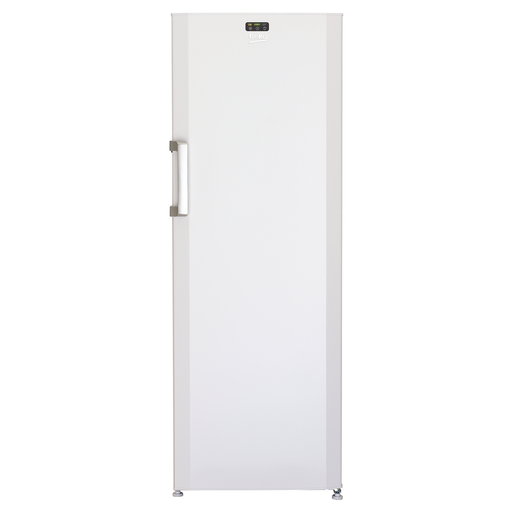
Why this product suits this profile: The 244-litre capacity, fast-freeze function and temperature alarm suit families, bulk buyers and users placing the appliance in a cellar or suitable utility room.
The reversible door and transparent compartments help with space planning and prevent disorganised storage.
244 litres of net capacity, 36 dB, MinFrost system and operation in unheated rooms down to -15 °C according to the product description.
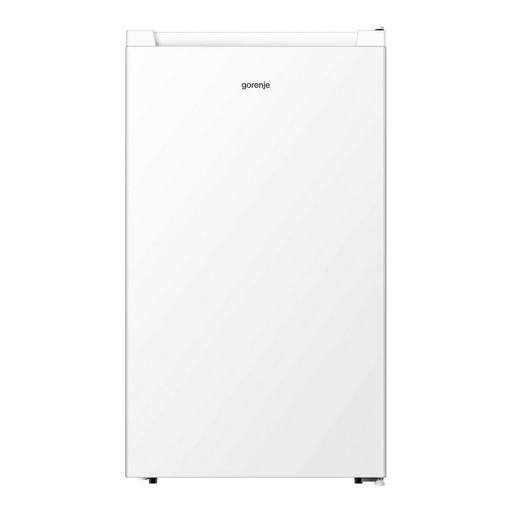
Why this product suits this profile: The 61-litre net capacity, mechanical controls and reversible door make it suitable for single people, small kitchens, holiday homes or additional storage.
The dimensions and stated net capacity make space planning more transparent than a simple advertising claim about compactness.
4-star freezer compartment, annual consumption of 156 kWh and around 38 dB according to the product information.
We have put together a complete, regularly updated list of products that fully meet these strict selection criteria and the safety regulations applicable in the EU.
Consumption depends on size, energy efficiency, room temperature, usage and maintenance condition. The annual consumption shown on the EU energy label is the key figure. Multiply this value by your individual electricity price to estimate the running costs.
It is not possible to guarantee a fixed service life reliably. It depends, among other things, on the compressor, frequency of use, ambient temperature and care. Good ventilation, intact seals and avoiding unnecessary temperature fluctuations can help support trouble-free operation. Check the warranty and service terms before buying.
Only if the manufacturer specifies the appropriate temperature range and climate class for this use. The room must also have a dry, level surface and sufficient air circulation. An appliance without suitable approval should not be operated in an unheated garage simply because of its design.