What should you look for when buying?
Keyboard label maker with tape
A good fit if: you want to type individual labels directly at your desk.
Bear in mind: you’ll need the device and compatible cartridges; tape specifications don’t confirm that it will stick to containers that are already frosted over.
Label maker controlled by a computer or smartphone
A good fit if: you want to create reusable text on a computer or mobile device.
Bear in mind: you’ll need a compatible device to create your labels, and the cartridge must be suitable for the conditions in which you’ll apply it.
Handwritten or printable labels
A good fit if: you label containers infrequently or already have a suitable printer for A4 label sheets.
Bear in mind: handwritten labels are better suited to individual containers; A4 sheets require a compatible printer.
| What you need |
What to check before buying |
Who should pay particular attention |
| Adhesion in cold conditions |
Check resistance to cold during storage, the minimum application temperature and suitability for the container surface separately. |
If you also want to label containers that are already frozen, check the application temperature of the specific label. Around 33 % of consumers put adhesion in their own conditions first. |
| Readability on small containers |
Check the required text length against the label width and available space; allow room for details such as contents, quantity and date. |
If you want to fit several details on a small container, consider the space available and font size beforehand. Around 27 % of consumers prioritise having enough room for clear information. |
| Ease of use in a home office |
Decide whether you want to type directly on the device or create text on a computer or mobile device via USB or Bluetooth. |
If you prefer to enter text directly for individual containers, or create layouts on a computer or smartphone, choose a workflow that suits you. Around 20 % of consumers prioritise ease of use. |
| Device and consumables |
Consider the device, compatible cartridges or sheets, and the number of labels you’re likely to need together. |
If you only label things occasionally, compare write-on labels with a label maker; if you need larger quantities, a printer you already own for A4 sheets may be useful. Around 20 % of consumers focus on the cost of the device and consumables. |
Manufacturer specifications apply to the specific label or tape named. For example, HERMA states that its 4389 A4 freezer labels are temperature-resistant from −60 to +60 °C and can be applied at temperatures from −25 °C. These specifications can’t automatically be applied to label-maker tape or other container surfaces.
Label printers at Joybuy
The Joybuy products below include mobile label printers for labelling around the home and in the home office. For freezer containers, check the suitability of the specific label, its application temperature and the container surface separately.
 No image available
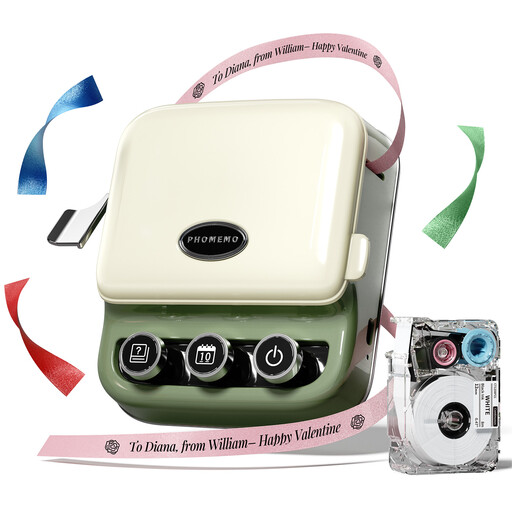
Phomemo P15 2-in-1 Satin Ribbon Printer with label tape
Could be an option for home office labelling if you want to create designs using a mobile device or PC; check separately whether the label tape is suitable for freezer containers.
Bluetooth connection; a blank label tape is mentioned in the product name.
View at Joybuy
 No image available
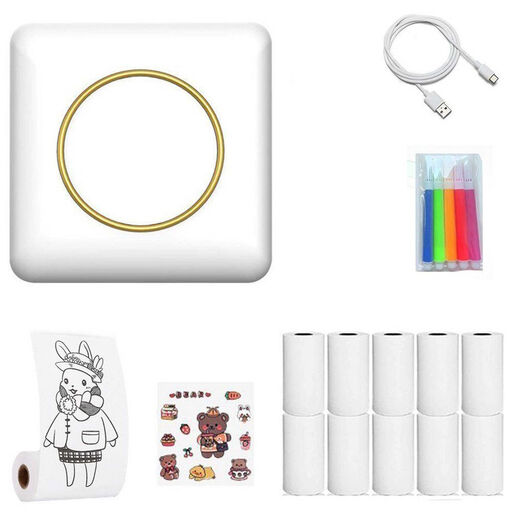
Mini Bluetooth thermal printer for labels, notes and photos
Could be an option for mobile labelling; before using it on freezer containers, check that the specific paper and adhesive are suitable for the application temperature.
Thermal printing; the product title mentions ten rolls of thermal paper.
View at Joybuy
 No image available
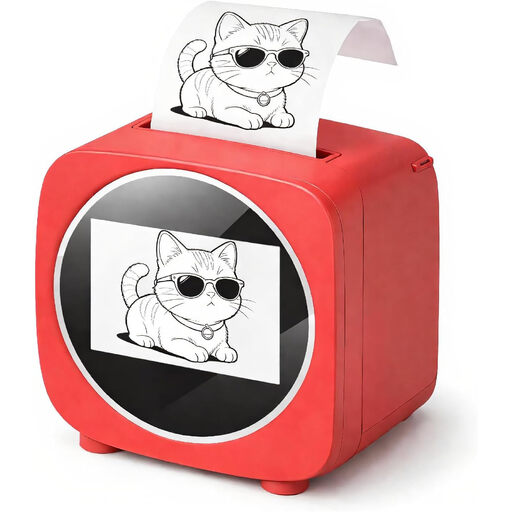
Bluetooth label printer with 2.4-inch colour display
The app mentioned in the description could be useful for creating personalised labels in your home office; using them on freezer containers requires a suitable label.
Thermal printing, according to the product description; the product title mentions a 2.4-inch colour display.
View at Joybuy
 No image available
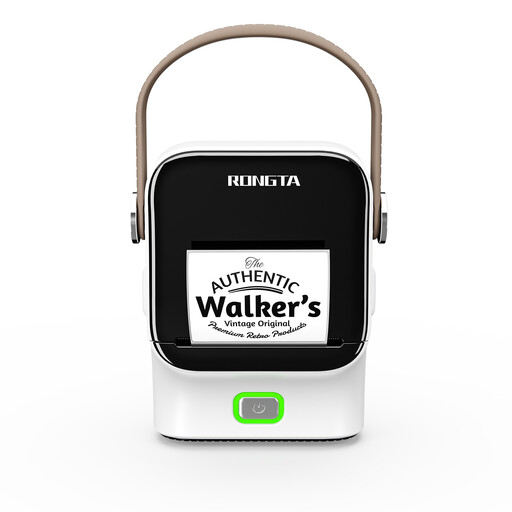
Rongta R22 Bluetooth label printer
Could be suitable for labelling at home or in the office; check that the label material you need is suitable for freezer containers before use.
The description mentions NFC recognition and a maximum print width of 48 mm.
View at Joybuy
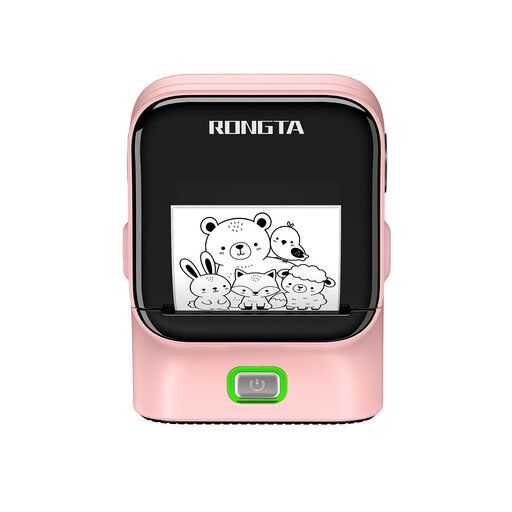 No image available
RONGTA R22B Bluetooth and USB label printer
Could be suitable for office labelling and organising; check that the specific label is suitable for the surface and temperature of your freezer containers.
Bluetooth and USB; the description gives a width range of 16 to 54 mm for labels and continuous paper.
View at Joybuy
Frequently asked questions
What should I write on a container of food I’ve frozen at home?
To help you organise your food supplies, the consumer advice centre recommends noting the contents, quantity and date stored. Make sure the information remains legible on the space available on the label.
Can I stick a cold-resistant label onto a container that’s already frosted over?
Not on the basis of cold resistance alone; the application temperature of the specific product also matters. HERMA says label 4389 can be applied at temperatures from −25 °C to items that are already frozen. Avery Zweckform says L7970-25 can be applied at temperatures down to −20 °C when there is a light layer of frost. These manufacturers’ specifications don’t automatically apply to label-maker tapes.
Can a label come into direct contact with food?
Only use a label for direct food contact if it’s explicitly designed for that purpose. The Federal Office of Consumer Protection and Food Safety outlines the requirements for materials intended to come into contact with food. For its specific L7970-25 label, Avery Zweckform states that the adhesive can come into direct contact with dry, non-greasy food; apply labels without this specification to the outside of a closed container.
What should I consider when buying consumables or if the device develops a fault?
Check which tape cartridge or label format the device requires and whether it suits your labelling needs. If there’s a fault, remember that your statutory rights against the seller are separate from any voluntary manufacturer’s guarantee.
How should I dispose of an old device or its batteries?
In Germany, electrical waste should be taken to an authorised collection point, not put in household rubbish. Batteries and rechargeable batteries should be returned separately; the Federal Environment Ministry lists free return options at retailers and local authorities.


