An existing freezer compartment should be enough, as long as it is suitable for freezing and can fit both your largest harvest batch and a tray for pre-freezing. If you’ll be taking out individual portions regularly, an upright freezer with easily accessible compartments is a sensible choice. For larger harvests, a chest freezer could work, provided you can organise the portions properly inside it. The German Federal Institute for Risk Assessment recommends heating frozen berries thoroughly before eating them. Freezing does not make potentially contaminated berries safe to eat raw.
Who are the different options best suited to?
People who take out portions of berries every day
If you need individual labelled portions on weekdays, easy-to-reach compartments and enough room for pre-freezing are important. The German Federal Centre for Nutrition describes pre-freezing berries spaced out on a tray as a way to keep them separate for portioning later.
Households with a larger harvest
If you freeze larger quantities during the season while also storing other food, consider both the usable capacity and how much fresh fruit the appliance can freeze.
Households short on space
If you only have a small space for an extra appliance, check both its external dimensions and the usable space inside. A compact design alone tells you nothing about its annual energy consumption.
What should you look for when buying?
Existing four-star freezer compartment
A good fit if: There’s room for your largest planned harvest batch and a tray for pre-freezing alongside your other frozen food.
The trade-off: You won’t need another appliance, but limited free space can make pre-freezing and taking portions out more difficult.
Compact under-counter freezer
A good fit if: You regularly have modest harvests and want individual portions to be easy to reach.
The trade-off: Usable capacity and room for a pre-freezing tray may be limited. A small appliance isn’t necessarily cheap to run.
Larger upright freezer
A good fit if: You want to store other food as well as berries, and separate compartments would make it easier to take things out frequently.
The trade-off: Make sure the space it takes up, usable capacity, freezing capacity and annual energy consumption suit your actual needs.
Chest freezer
A good fit if: You need a single large space for harvests and other food, and there’s enough room above the appliance to open the lid.
The trade-off: Small lunchbox portions need careful organisation in the deep interior. The consumer advice centre notes that this design may use less energy than an upright freezer; still, compare the annual energy consumption of the specific appliance.
The German Federal Centre for Nutrition recommends pre-freezing berries spaced out on a tray before packing them. The consumer advice centre recommends choosing an appliance size that suits your needs, as an oversized model can use unnecessary energy.
| Priority |
What to check when buying |
Who it matters most to |
| Taking out individual portions |
Access to compartments and a clear, level surface for a pre-freezing tray |
If I need individual portions of berries in the morning rather than a frozen-together block, I look for easy access and room to pre-freeze them. Around 31% of consumers prioritise being able to take out separate portions. |
| Freezing harvest batches |
Freezing capacity in kg/24 h and usable capacity in litres |
If there’s a large amount to freeze during harvest season, as well as other food to store, the freezing capacity and usable space need to be suitable. Around 31% of consumers prioritise harvest capacity. |
| Considering annual energy consumption |
kWh/year on the EU energy label for appliances of a suitable size |
If an extra appliance will be running all year, I want to compare its energy consumption with the capacity I need. Around 23% of consumers focus primarily on running costs. |
| Choosing a suitable location |
External dimensions, opening direction and the space needed for the door or lid |
If there’s limited room where I plan to put the appliance, it needs to fit and be easy to access in everyday use. Around 15% of consumers give the available space their top priority. |
The consumer advice centre gives −18 °C as the optimum temperature for freezers. It’s also important to check whether a freezer compartment is suitable for freezing food in the first place: the German Federal Centre for Nutrition distinguishes between a four-star compartment and a three-star compartment, which is only intended for storing food that is already frozen.
What mistakes should you avoid?
-
Treating the largest litre capacity as the most important feature
Usable capacity tells you how much food you can store, but not how much fresh produce the appliance can freeze in a day. For lunchbox portions, easy access and room to pre-freeze berries matter too.
Estimate the size of your largest harvest batch separately from your other frozen food. Compare both with the stated freezing capacity in kg/24 h and the usable capacity.
According to the consumer advice centre, an appliance that’s much larger than you need can use unnecessary energy.
-
Assuming “mini” means energy-efficient
The design alone won’t tell you the annual energy consumption or whether there’s room for a pre-freezing tray.
Measure the space available and compare the kWh/year on the EU energy labels of models that are the right size. Since 1 March 2021, the European Commission has used an A to G scale for household fridges and freezers.
-
Assuming frozen berries are automatically safe to eat raw
The German Federal Institute for Risk Assessment warns of the risks from potentially contaminated frozen berries if they’re eaten raw or not heated thoroughly.
Plan to heat them thoroughly before eating. This is especially important for people who are more vulnerable.
Which brands are worth considering?
Beko
The FS166020 is a compact, freestanding under-counter freezer for modest amounts of extra food.
- Beko lists a capacity of 65 l, external dimensions of 81,8 × 47,5 × 50 cm and a reversible door for this model.
- Its compact external dimensions don’t tell you whether a pre-freezing tray will fit or how much energy it uses each year.
Exquisit
The GT5150-E-041E white chest freezer offers one large storage space for harvests and other food.
- Exquisit lists a capacity of 142 l and a freezing capacity of 7 kg/24 h for this version. A removable basket makes it easier to reach some of the contents.
- This model needs to be defrosted manually. A basket is no substitute for separate drawers, and the stated annual energy consumption is 182 kWh.
Bosch
The freestanding GSN29VWEP offers separate storage for berries and other food.
- Bosch lists a capacity of 200 l, a freezing capacity of 16 kg/24 h and NoFrost for this model.
- The stated annual energy consumption is 221 kWh. If your harvests are small, make sure the usable capacity suits your actual needs.
Siemens
The GS51NAWCV is a larger freestanding freezer for households that need more storage space.
- Siemens lists a capacity of 290 l, a freezing capacity of 21 kg/24 h, five drawers and NoFrost for this model.
- Its external dimensions are 1610 × 700 × 780 mm. Make sure its capacity and size suit the location and the amount you harvest.
Liebherr
The FNc 7227 Plus NoFrost is a large-capacity upright freezer, so make sure you have room for it before buying.
- Liebherr lists a capacity of 363 l, external dimensions of 185,5 × 69,7 × 76 cm and NoFrost for this model.
- For this model, FrostProtect means it can operate at ambient temperatures down to −15 °C. This does not apply to other appliances.
Joybuy appliances for extra freezer capacity
The Joybuy appliances below range from compact extra freezers to upright models with separate compartments. Before buying, check that the appliance can fit your largest batch of fresh produce and is suitable for freezing food.
 No image available
Heinrich´s upright freezer, 161 l, No-Frost, 3 freezer drawers and 2 drawers
The separate drawers can help you keep portions of berries and other food neatly organised.
The product name lists a capacity of 161 l, No-Frost, an LED display, a reversible door, an alarm function and a temperature range of −14 °C to −22 °C. Energy class C is stated.
View at Joybuy
 No image available
Upstreman UF35 mini freezer, 35 l, four-star rating
This compact model could suit you if you’re looking for extra freezer space for modest amounts of food and there’s enough room inside to pre-freeze berries.
The product name lists a capacity of 35 l, a four-star rating, a reversible door and 41 dB.
View at Joybuy
 No image available
homeX FSN2041E-S upright freezer, 204 l, NoFrost
This upright freezer could be a good fit if you want to store berries separately from other food.
The product name lists a capacity of 204 l, NoFrost, a Super Freeze function, 39 dB and energy class E.
View at Joybuy
 No image available
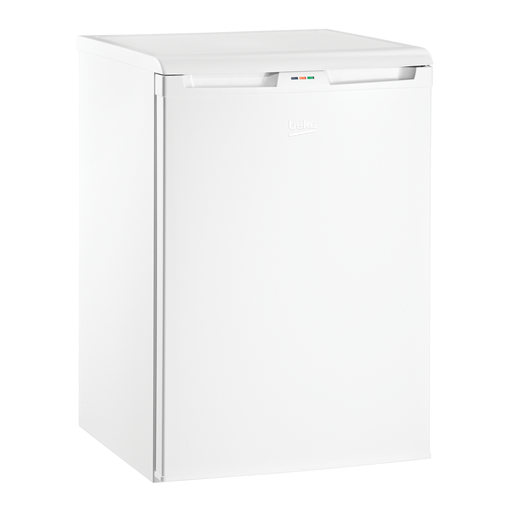
Beko FSE1074N b100 under-counter freezer, 95 l
An under-counter freezer could be an option if you want extra freezer space but have limited room to put it.
The product name lists a capacity of 95 l, MinFrost, 37 dB and energy class E.
View at Joybuy
 No image available
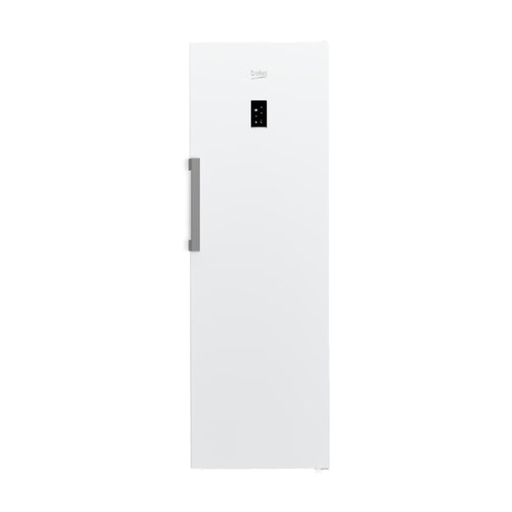
Beko B7RFNE316W upright freezer, 286 l, No Frost
The larger capacity could be a good fit if you want to store other food alongside your berry harvest.
The product name lists a capacity of 286 l, No Frost, digital controls, 40 dB and energy class C.
View at Joybuy
Frequently asked questions
Do berries need to be laid out individually before freezing?
No. If you want to take out individual berries later, the German Federal Centre for Nutrition recommends first pre-freezing prepared berries spaced out on a tray. Then pack them into portions and label them.
Can I put frozen berries straight into a lunchbox in the morning and eat them raw?
Don’t assume that freezing makes potential contamination harmless. The German Federal Institute for Risk Assessment recommends heating frozen berries thoroughly before eating them; extra care is important for people who are more vulnerable. The guidance for communal catering settings does not establish a general legal requirement to cook berries in private lunchboxes.
Can I put a freezer in a cold outbuilding?
Only if the permitted installation conditions for that particular model cover the temperatures it will be exposed to. Liebherr states that the FNc 7227 can operate at ambient temperatures down to −15 °C; this does not automatically apply to other appliances.
How can I compare energy consumption without assuming an electricity price?
Start by comparing the kWh/year figures on the EU energy labels of models with a suitable capacity. To estimate your own costs, multiply this figure by your electricity price per kWh; actual consumption also depends on how and where the appliance is used.
What does the EU energy label tell me, and what should I do with an old appliance?
Since 1 March 2021, the European Commission has used an A to G scale for household fridges and freezers. Electrical and electronic waste must not go in household rubbish. The German Environment Agency advises taking it to a recycling centre and explains that large old appliances can be returned free of charge when you buy a corresponding new one, including with online delivery.


