If your existing freezer compartment is suitable for freezing and has enough room for your usual portions of sauce, you don’t need to buy another appliance just for that. If you regularly run out of space, your choice between a compact freezer, an upright freezer and a chest freezer will depend mainly on how much you freeze, how easily you want to access it and how much floor space you have. A smaller appliance isn’t automatically more energy-efficient. The German Federal Centre for Nutrition recommends using a compartment suitable for freezing freshly cooked sauce, while the German Federal Institute for Risk Assessment advises cooling hot food quickly to below 7 °C before storing it for longer.
Who might benefit from an additional freezer?
Occasional portions of sauce
If you’re only preparing the odd lunch, first check whether your existing compartment, if it’s suitable for freezing, has enough room. The German consumer advice centre and the German Federal Centre for Nutrition explain the key points to consider when choosing a freezer or freezer compartment.
Regular batch cooking
If you regularly freeze several portions at once, you’ll need enough space alongside your other frozen food, and you’ll want to be able to reach your containers easily. The German consumer advice centre lists usable capacity and freezing capacity among the relevant buying criteria.
Limited floor space
If space is tight, weigh the appliance’s external dimensions and the room needed to open it against its usable capacity and annual energy consumption. The German consumer advice centre points out that smaller appliances don’t necessarily use less electricity.
What should you consider when choosing one?
Existing four-star compartment
A good fit if: You freeze only a few portions and have enough spare room alongside your other food.
The trade-off: The compartment must be suitable for freezing food in the first place. Available space and freezing capacity limit how much you can freeze at a time.
Compact freezer
A good fit if: Your existing compartment regularly runs out of room, but you only need space for a few extra portions.
The trade-off: Its small footprint comes with limited usable capacity, and its size alone tells you nothing about its electricity consumption.
Upright freezer with drawers
A good fit if: You regularly freeze several portions alongside other supplies and want to take containers out from the front.
The trade-off: Drawers make it easier to keep food separate, but take up floor space. Capacity and annual energy consumption vary by model.
Chest freezer
A good fit if: You store larger quantities long-term and have room for the freezer and to open its lid.
The trade-off: You take out individual portions from above, so make sure the internal layout suits the way you’ll use it day to day.
| Buying priority |
What to check before buying |
Who it matters most to |
| Suitable freezer space |
Check that the compartment is four-star rated, has enough free space and offers sufficient freezing capacity for your usual quantity. |
If I want to freeze fresh portions, the compartment needs to be suitable and have enough room. Around 37% of consumers are likely to prioritise having suitable space for their portions. |
| Electricity consumption |
Compare the stated annual consumption in kWh for appliances of a suitable size. |
If you’re going to run an additional appliance all the time, you’ll want to know what it may use before you buy. Around 27% of consumers are likely to put ongoing electricity consumption first. |
| Fit in the available space |
Measure the width, height and depth, and allow for the space needed to open the appliance at its intended location. |
If floor space is limited, the appliance needs to fit, including the room required to open it. Around 18% of consumers are likely to prioritise fit. |
| Access and maintenance |
Check the drawer layout and the defrosting method explicitly stated for the model. |
If you often take out individual containers, you’ll want to find them easily and know how much defrosting is involved. Around 18% of consumers are likely to prioritise access and maintenance. |
The German Federal Centre for Nutrition distinguishes between a compartment for storing food that is already frozen and one that is suitable for freezing food in the first place. The German consumer advice centre recommends looking at usable capacity and annual energy consumption together. Figures on the EU energy label are based on standardised conditions and don’t guarantee what an appliance will use in your home.
What mistakes should you avoid?
-
Confusing a three-star storage compartment with one suitable for freezing
A compartment for storing food that is already frozen isn’t automatically suitable for freezing freshly cooked sauce for the first time.
Before deciding you don’t need another appliance, check that your existing compartment is rated as suitable for freezing with four stars.
-
Assuming a mini freezer uses less electricity just because it’s small
The German consumer advice centre points out that smaller appliances can use more electricity than larger, well-insulated ones. An additional appliance also uses electricity continuously.
For models with enough capacity, compare usable volume and the stated annual consumption in kWh.
-
Treating NoFrost, MinFrost and static cooling as the same thing
These terms describe different defrosting methods. The Liebherr FNd 4224 is described as a NoFrost appliance, while Beko describes the FS127940N as static cooling with MinFrost.
Check the defrosting method and care instructions for the specific model instead of assuming it’s maintenance-free because its name sounds similar to another product.
With a static appliance, manual defrosting may mean extra maintenance.
-
Taking frozen sauce to work without a plan to keep it cool
Freezing food at home won’t automatically keep it cool on the way or until you eat it. The German Federal Institute for Risk Assessment highlights the importance of temperature during transport and storage.
Plan how you’ll keep it properly chilled on the way and until you eat it. A larger freezer at home doesn’t remove the need to do this.
Which brands and models are worth considering?
Exquisit
The GB540-050C black is a small four-star freezer for a few extra portions.
- According to Exquisit, this model has a usable capacity of 31 l and a stated annual consumption of 94 kWh.
- Its limited interior space isn’t ideal for larger weekly batches. Check that its external dimensions and door clearance suit the space you have.
Severin
The GB 8886 is a compact freezer, while the GS 8868 is a larger upright model with drawers and NoFrost.
- According to Severin, the GB 8886 has a usable capacity of 32 l, a four-star rating and a stated annual consumption of 148 kWh. The manufacturer lists a capacity of 161 l and NoFrost for the GS 8868.
- The GB 8886 doesn’t have NoFrost. Capacity and energy figures apply only to the specific model mentioned.
Bosch
The GSN33VWEP is an upright freezer with drawers for storing portions of sauce alongside other supplies.
- Bosch lists a capacity of 225 l, NoFrost, annual consumption of 229 kWh and a freezing capacity of 19.0 kg/24 h for this model.
- Its capacity may be more than you need if you’re only freezing a few portions of sauce.
Liebherr
The FNd 4224 Plus is a freestanding NoFrost freezer that sits between a mini freezer and a larger model for storing supplies.
- According to Liebherr, this model has a total capacity of 160 l and a noise level of 37 dB.
- Its stated external dimensions of 125.5 × 59.7 × 67.5 cm need to fit your available space. NoFrost alone doesn’t guarantee low overall energy consumption.
Beko
The FS127940N is a static freezer with MinFrost and a reversible door.
- Beko describes this model as having MinFrost and a reversible door.
- The product details give different capacity figures: 237 l in the title and 244 l in the technical specifications. Check which figure applies to the exact version before deciding on its size.
Bauknecht
The GTE 150MD is a chest freezer for households that want to store supplies as well as sauce and have room for a lid.
- Bauknecht lists a capacity of 142 l and one basket for this model.
- If you need regular access to individual portions, consider whether reaching in from above will suit you better than using an upright freezer with drawers.
Joybuy freezers for extra portions
This selection of Joybuy freezers includes compact models and upright freezers for extra portions of sauce and other supplies.
 No product image available
COMFEE' RCU40WH2(E) mini freezer, 31 l
For a few extra portions when space at home is limited.
31 l, four-star freezer compartment, 147 kWh/year and reversible door.
Joybuy
 No product image available
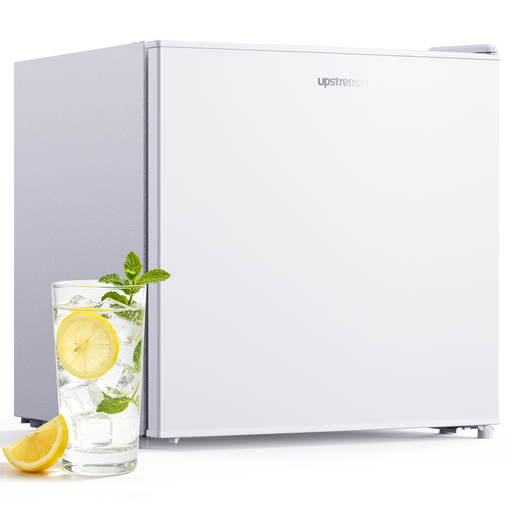
Upstreman UF35 mini freezer, 35 l
For extra portions if a compact freezer offers the space you need.
35 l, four-star freezer compartment and reversible door.
Joybuy
 No product image available
COMFEE' RCU60WH2(E) upright freezer, 60 l
For portions you freeze regularly, with separate storage areas to keep things organised.
60 l, three compartments, one door, adjustable temperature and reversible door.
Joybuy
 No product image available
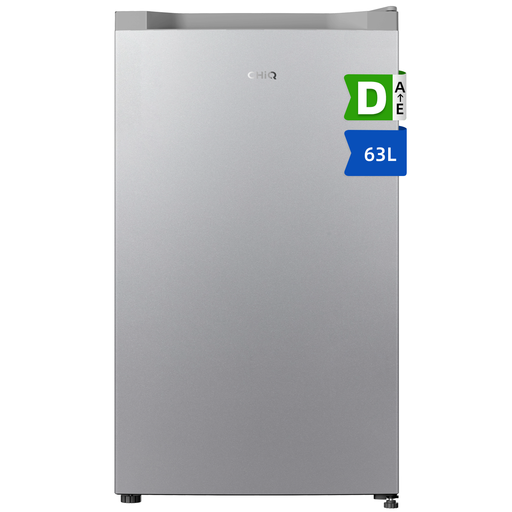
CHiQ JR63DSD upright freezer, 63 l
For extra portions you want to store in a compact upright freezer with drawers.
63 l, four-star fast-freezing, 47 cm wide, 38 dB and reversible door.
Manual defrosting is required.
Joybuy
 No product image available
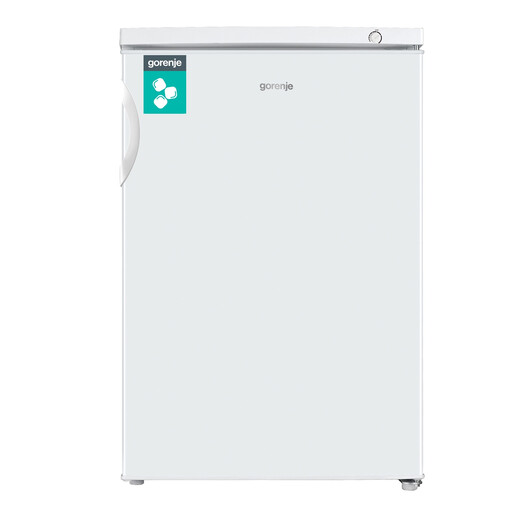
Gorenje F49DPW upright freezer, 85 l
For regular portions and other supplies, if three drawers suit the way you want to organise them.
85 l, four-star rating, 131 kWh/year, freezing capacity of 4 kg/24 h and 40 dB.
Manual defrosting is required.
Joybuy
Frequently asked questions
Can I freeze freshly cooked tomato sauce while it’s hot?
Cool the sauce quickly before freezing it. The German Federal Institute for Risk Assessment recommends cooling hot food quickly to below 7 °C before storing it for longer. Then freeze the sauce in a compartment suitable for freezing.
How do I take a frozen portion of sauce to work for lunch?
Plan how to keep it properly chilled during transport and until you eat it. The German Federal Institute for Risk Assessment points out that perishable food needs to be kept cool when you’re on the move too; your freezer at home can’t do this for you.
What should I check before putting a freezer in a cool cellar?
Check the ambient temperature or climate class specified for that exact model. A manufacturer’s statement that one appliance is suitable for cold indoor spaces doesn’t necessarily apply to other freezers.
How can I compare the electricity consumption of freezers?
For appliances with a usable capacity that suits your needs, compare the annual consumption in kWh shown on the EU energy label. The figure is measured under standardised conditions and doesn’t guarantee what the appliance will use in your home.
What are my rights if a freezer is faulty?
Your statutory rights against the seller are separate from any voluntary manufacturer’s guarantee. The German consumer advice centre explains that new goods are generally covered by a two-year statutory guarantee; the terms in force and the details of your case determine what you can claim.


