
Lieferung heute & morgen

Qualitätsgarantie

Willkommens-Angebote freischalten: KOSTENLOSE Lieferung | Bis zu 80 % RABATT | Kostenlose 30-Tage-JoyPlus-Testphase
App herunterladen
A freezer provides extra storage space for frozen food, ready meals, meat or seasonal supplies. The choice ranges from a mini freezer for single-person households to a large chest freezer or a 200-litre freezer for families. However, capacity is not the only deciding factor. The design, energy consumption, noise level and installation location all determine whether the appliance is genuinely suitable for everyday use.
A stated capacity of 100 litres does not automatically mean that the interior is easy to use. A chest freezer usually provides open, deep storage. Without baskets or dividers, smaller packs can quickly disappear beneath larger supplies. An upright freezer, on the other hand, offers drawers and compartments, but requires more vertical space.
A class E freezer can offer many households a suitable balance between purchase price and energy consumption. However, the stated annual consumption in kilowatt-hours is also important for ongoing costs. Two appliances in the same energy efficiency class may use different amounts of electricity depending on their size, insulation and design.
A quiet freezer should be compared using its specific sound power level in decibels. Values between around 37 and 41 dB may be suitable for kitchens, flats or offices. In open-plan living areas or small apartments, however, a difference of several decibels can still be noticeable. Claims such as “low-noise” should therefore not be assessed instead of a specific dB value.
An upright freezer is suitable for kitchens, utility rooms and narrow spaces. Models with a reversible door can be adapted more easily to the layout of your home. A chest freezer often makes efficient use of floor space, but requires sufficient clearance above it when opened. For use in a garage, the permitted ambient temperatures are also relevant. Not every appliance is designed for unheated rooms.
Some models feature WinterProof or comparable manufacturer functions. If you plan to use a freezer in a cold garage, check the instruction manual carefully to confirm the ambient temperatures for which the appliance is suitable. The freezer must also be positioned level and have sufficient ventilation around it.
As a general guide:
The right choice will depend on how often you shop and whether you already have a fridge with a freezer compartment.
A NoFrost freezer reduces ice build-up inside the appliance and can minimise the need for manual defrosting. For appliances with manual defrosting, look for a drainage outlet or an interior that is easy to access. Baskets, transparent drawers and a reversible door make everyday use easier.
Also check the freezing capacity in kilograms per 24 hours, the freezer compartment star rating, and features such as fast freezing, a temperature alarm or a visual warning indicator. These details are more useful than vague advertising claims about “powerful performance”.
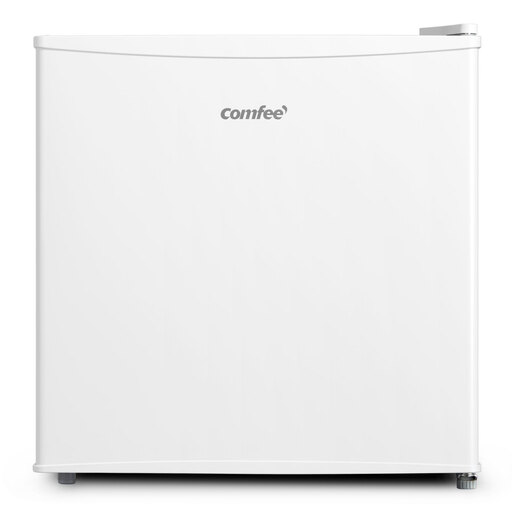
Why this product suits this profile: This compact mini freezer takes up very little space and provides 31 litres of usable capacity. It is suitable for single people, offices or use as an additional appliance.
The clearly stated capacity and annual consumption of 147 kWh make it easier to assess space requirements and running costs.
4-star freezer compartment, reversible door hinge, 40 dB and two adjustable feet.
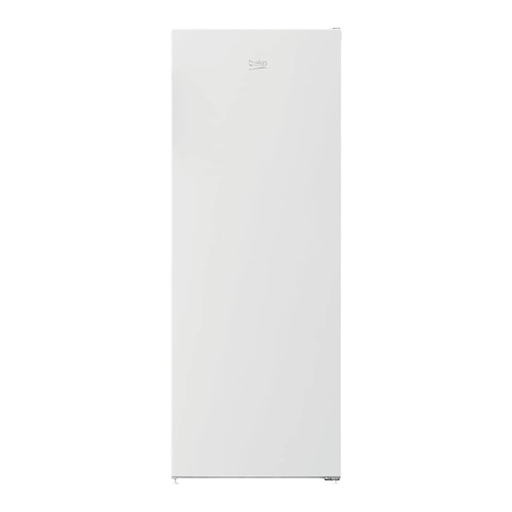
Why this product suits this profile: The upright design combines organised storage with NoFrost technology. Three drawers and two compartments make it easier to separate different foods.
NoFrost reduces the need for manual defrosting, while the reversible door hinge is useful where space is limited.
177 litres, 40 dB, fast-freezing function, temperature alarm and operation, according to the product information, at ambient temperatures down to -15 °C.

Why this product suits this profile: This chest freezer is aimed at families, bulk shoppers and users with a garage or unheated utility room.
Two baskets organise the open interior. The Door-Balance function keeps the lid in the open position.
198 litres, energy efficiency class C, annual consumption of 126 kWh, Multi-Zone function and WinterProof down to -15 °C according to the product information.

Why this product suits this profile: According to the product description, this convertible appliance can be used as either a fridge or a freezer. This is useful for small cafés, holiday homes or changing storage needs.
The 7-level thermostat and drainage outlet for defrost water make operation and cleaning straightforward.
95 litres, 38 dB, energy efficiency class E, removable basket and switchable cooling function.
We have put together a complete, regularly updated list of products that fully meet these strict selection criteria and the safety regulations applicable in the EU.
Before buying, compare the available width, appliance depth and opening direction with the intended location. The ventilation zone specified in the instruction manual must remain clear between the back, side walls and the freezer. The appliance should not be placed directly next to radiators or in direct sunlight.
After transportation, it is advisable to observe the resting period specified by the manufacturer before connecting the mains plug. Food should only be placed inside once the appliance has reached the required temperature. Keep the door or lid open for as short a time as possible. In the event of a power cut, keep the appliance closed and follow the storage-time guidance in the instruction manual.
Around 60 to 100 litres may be sufficient for two people if you shop regularly and already have a freezer compartment. If you store supplies, bread or larger quantities of meat, consider a freezer with a capacity of around 140 to 200 litres.
NoFrost can reduce the need for manual defrosting. However, buyers should still check energy consumption, noise level, dimensions and the interior layout. For a small additional freezer, a manual-defrost model may be sufficient as long as the interior remains easy to access.
This depends on the model and its permitted ambient temperature. For an unheated garage, the manufacturer’s specifications should explicitly confirm that the appliance is suitable for this type of use. You will also need a dry, level location, sufficient ventilation and protection from direct moisture.