For the occasional portion of beans, your existing four-star freezer compartment should be enough, provided it can accommodate the batch and has sufficient stated freezing capacity. You don’t automatically need an additional appliance. If you regularly freeze larger quantities and other foods, compare usable capacity, freezing capacity in kg/24 h, annual energy consumption and appliance design together. Drawers make it easier to find and remove individual portions, while a chest freezer needs enough floor space. Blanching prepares beans for freezing, but it doesn’t replace thorough cooking before eating. The German Federal Institute for Risk Assessment warns of the risks of phasin.
Which option suits you?
For occasional batch prep
If you only freeze a few portions now and then for a shared meal, first check whether your existing four-star compartment has enough space and freezing capacity. To prepare beans for freezing, the German Federal Centre for Nutrition recommends blanching them briefly, plunging them into iced water and freezing them in portions.
For regular batch cooking
If you freeze beans and other foods in larger batches, both freezing capacity and usable, well-organised storage space matter. Drawers or separate compartments can make it easier to access individual portions.
For homes short on space
If you need extra freezer space but don’t have much room, compare the appliance’s external dimensions and usable capacity with the amount you actually store. Also consider annual energy consumption and the space needed to open the door or lid. The consumer advice centre points out that an oversized appliance can use electricity unnecessarily.
What to look for when buying
The consumer advice centre suggests 50–80 l per person as a rough guide for your total frozen food storage, not as a minimum size for a batch of beans. So compare the space you have with your overall stock of frozen food and the quantity you want to freeze at one time.
| Priority |
What to look for when buying |
Who will value this most? |
| Suitable capacity |
Compare usable capacity and external dimensions with your total stock of frozen food and the space available. |
If I’m planning portions for several people as well as other frozen food, I want enough room without choosing an oversized appliance. Around 36% of consumers prioritise having the right capacity. |
| Freezing capacity |
Compare the four-star compartment and the kg/24 h figure for the specific model with the quantity you plan to freeze at one time. |
If I’m freezing a larger batch of fresh food in one go, I look beyond litres and check the freezing capacity too. Around 29% of consumers prioritise batch capacity. |
| Energy consumption |
Compare annual energy consumption in kWh for appliances with suitable usable capacity, and consider it alongside your own electricity tariff. |
If an additional appliance will be running all the time, I want to weigh its stated annual energy consumption against the storage space I need. Ongoing electricity use is the main concern for around 21% of consumers. |
| Space and maintenance |
Check the appliance’s dimensions, how the door or lid opens, and the defrosting method for the specific model. |
If space is limited or I regularly take out individual portions, I need dimensions that work and easy access; the effort involved in defrosting matters too. Around 14% of consumers focus on positioning and maintenance. |
Common mistakes
-
Assuming a large capacity means high freezing capacity
The number of litres tells you how much storage space there is, but not how much fresh food the appliance can freeze at one time.
For the batch you have in mind, check both the four-star compartment and the specific model’s freezing capacity in kg/24 h.
-
Buying a large extra appliance too soon for occasional portions
The consumer advice centre points out that a freezer that’s too large for your needs can use electricity unnecessarily.
First check whether your existing compartment can hold the quantity you plan to freeze. Choose extra storage based on your overall stock of frozen food, rather than a single batch of beans alone.
-
Confusing StopFrost with NoFrost
Liebherr describes StopFrost on the CFc 1875 Plus as reducing frost build-up. This doesn’t mean the appliance never needs defrosting; Bosch lists NoFrost for the GSN33FWEV model.
Check the defrosting information for the complete model and, if it needs manual defrosting, factor in the extra maintenance.
If an appliance needs defrosting, remember to allow time for regular maintenance.
-
Assuming blanched beans are ready to serve
The German Federal Institute for Risk Assessment warns that raw or undercooked green beans contain phasin. Blanching beans to prepare them for freezing doesn’t replace cooking them before eating.
Cook beans thoroughly before serving. For freezing, the German Federal Centre for Nutrition recommends blanching them briefly, plunging them straight into iced water, draining them well and packing them in portions.
Brands at a glance
Bosch
Upright freezers for storing food in portions; the GSN33FWEV is a documented model with 225 l of freezer capacity.
- Bosch lists a four-star compartment, a freezing capacity of 19,0 kg/24 h, drawers and NoFrost for this model.
- The external dimensions of 176 × 60 × 65 cm and stated annual energy consumption of 229 kWh need to suit your space and storage needs. These details relate to this model and aren’t a verdict on all Bosch appliances.
Exquisit
Compact extra appliances for a limited need for additional freezer space; the GB60-150E weiss is one example.
- The manufacturer’s data sheet lists a four-star compartment and a freezing capacity of 2,0 kg/24 h for this model.
- The data sheet gives a capacity of 42,0 l, while the product page lists 42 or 43 l. Check the capacity for the exact version before making a precise size comparison. The data sheet says the appliance needs to be defrosted manually.
Liebherr
Also offers chest freezers for larger stores of frozen food; the CFc 1875 Plus is a documented model with a total capacity of 192 l.
- Liebherr lists external dimensions of 104 × 71 cm for the width and depth of this model, as well as FrostProtect for low ambient temperatures.
- Liebherr describes StopFrost as reducing frost build-up. This doesn’t mean NoFrost, and it isn’t an independent performance assessment.
Beko
Large upright freezers for storing plenty of frozen food; the RFNE448E45W is a documented 404 l model.
- Beko lists a reversible door on this model, which can be taken into account when deciding where to put it.
Freezers at Joybuy
This selection of Joybuy products includes compact standalone freezers and chest freezers for extra portions of beans and other frozen food.
 No image available
AUCMA 291L Convertible Chest Freezer
A chest freezer option for extra storage, if the design and space requirements suit your home.
291 l; switches between fridge and freezer modes; top-opening; removable basket.
View at Joybuy
 No image available
COMFEE' RCU40WH2(E) Mini Freezer, 31 L
A compact extra option if you only need a little more space for small portions.
31 l; four-star compartment; reversible door; 147 kWh/year.
View at Joybuy
 No image available
CHiQ Chest Freezer, 99L, 4 Star Freezing
A chest freezer for extra portions, if the chest design and available space suit your household.
99 l; four-star freezing; wire basket.
View at Joybuy
 No image available
COMFEE' RCU60WH2(E) Vertical Freezer, 60L
A standalone freezer for extra portions, if an upright design and separate compartments make them easy to access.
60 l; three compartments; reversible door.
View at Joybuy
 No image available
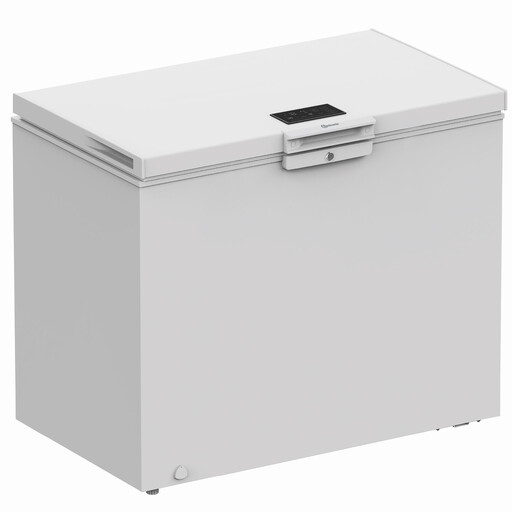
Bauknecht BGTE 250MC Chest Freezer, 198L
A chest freezer option for larger stores of frozen food, provided you have the floor space and access you need.
198 l; Multi-Zone function; WinterProof down to −15 °C; touch display.
View at Joybuy
Frequently asked questions
How should I prepare green beans for freezing and eating later?
Wash and trim the beans, blanch them briefly, plunge them straight into iced water and drain them well before freezing them in portions. The German Federal Centre for Nutrition recommends this preparation method. Cook the beans thoroughly before eating, as the German Federal Institute for Risk Assessment warns that raw or undercooked beans contain phasin.
What temperature and rating matter for home-prepared beans?
To freeze food you’ve prepared at home, you’ll need a four-star compartment with a stated freezing capacity. The consumer advice centre gives −18 °C as the ideal freezing temperature. Check the rating and the kg/24 h figure for the specific appliance.
Does a chest freezer with StopFrost never need defrosting?
No. Liebherr describes StopFrost on the CFc 1875 Plus as reducing frost build-up, which may mean less frequent defrosting. It doesn’t guarantee that defrosting will never be needed.
What should I know about energy use and my old appliance?
Compare the annual energy consumption in kWh on the energy label and consider it alongside your own electricity tariff. The German Environment Agency says that old electrical appliances must not be put in household rubbish. In Germany, it lists free drop-off at local collection points and free take-back of a large old appliance when you buy a similar new one, including online purchases delivered to your home.


