What should you look for when buying?
When you’re freezing herbs to use on different days as part of a shared meal plan, the key things to consider are access to individual portions, available space, running costs and maintenance.
Existing freezer compartment or appliance
A good fit if: you have enough free space for the portions you’ve prepared and the compartment is suitable for freezing fresh food.
Consider: You avoid buying another appliance, but need to check that there’s enough room for all the portions and easy access for everyone.
Compact tabletop freezer
A good fit if: you regularly freeze a few extra portions and drawers make it easier for everyone to take them out.
Consider: Check the dimensions and kWh per year. A compact design doesn’t automatically mean lower energy consumption.
Larger upright freezer
A good fit if: you regularly store larger quantities of prepared meals or other supplies as well as herbs.
Consider: More capacity takes up more floor space. Choosing an appliance that’s too large can lead to unnecessary energy use.
Chest freezer
A good fit if: storing larger quantities matters more than quickly accessing lots of small, separate portions of herbs.
Consider: The consumer advice centre says chest freezers use less energy than upright freezers. Still compare the annual energy consumption of specific models and think about how you’ll organise small portions.
| What to consider |
What to check before buying |
Who will value this most? |
| Portions for meal planning |
Room for individual containers and easy-to-reach compartments; label each with its contents, quantity and date. |
When I prepare herbs for different days of the week, I want to take out labelled individual portions without having to search. For around 36% of consumers, easy access to portions comes first. |
| Freezer space that fits |
Measure the available space in your existing compartment, as well as the external dimensions, door clearance and usable capacity of any extra appliance. |
If space is limited, I want enough freezer capacity without having to make room for an oversized appliance. Around 29% of consumers put having the right amount of freezer space first. |
| Annual energy consumption |
Compare the kWh per year on the EU energy label for specific appliances. How you use an appliance and where you place it can affect its actual consumption. |
If I’m adding an appliance that runs all the time, I want to weigh its stated energy consumption against its usable capacity. For around 21% of consumers, running costs are the most important buying consideration. |
| Defrosting and maintenance |
Check the exact model to see whether it has NoFrost or requires manual defrosting. Don’t assume SmartFrost or MinFrost means you’ll never need to defrost it. |
When several people use the appliance, I want to keep defrosting and organisation manageable. Around 14% of consumers prioritise low maintenance. |
A guide to popular freezer brands
The details below apply to the product ranges and manufacturer information mentioned, not to the brands as a whole.
Bosch
The Bosch GTV15NWEB is a tabletop freezer for households looking for a compact appliance with drawers and a SuperFreezing function.
- Bosch lists a freezer capacity of 83 l, annual energy consumption of 164 kWh, dimensions of 85 × 56 × 58 cm and a temperature rise warning.
- For this model, ‘Never defrost again’ is listed as ‘No’, so according to the manufacturer it isn’t frost-free.
Beko
According to the manufacturer, the Beko FSE1074N is a freestanding tabletop appliance with a static cooling system and a reversible door.
- Beko says its MinFrost function reduces ice build-up. The specifications list dimensions of 84 × 54 × 59 cm and energy efficiency class E.
- The manufacturer’s page gives the freezer capacity as both 90 l in the heading and 95 l in the technical specifications. Check the specifications for the exact variant before comparing capacities precisely.
Liebherr
The Liebherr Fe 1414 Pure offers 107 l, according to the manufacturer, and may be worth considering if its dimensions suit the space you have available.
- Liebherr lists dimensions of 85 × 55 × 60,7 cm, removable drawers and SmartFrost.
- The reduced frost build-up described by the manufacturer doesn’t mean you won’t need to defrost it.
Bomann
The GS 2196.1 is a compact upright freezer with three drawers and a reversible door.
- Bomann lists a usable capacity of 85 l and annual energy consumption of 131 kWh.
- This model is listed as requiring manual defrosting, so factor this into your choice.
Joybuy products for extra freezer space
The products below include compact upright freezers and a chest freezer for extra storage. If you want to freeze fresh herbs, check that the specific model is suitable for freezing fresh food, for example by looking for a four-star rating.
 No image available
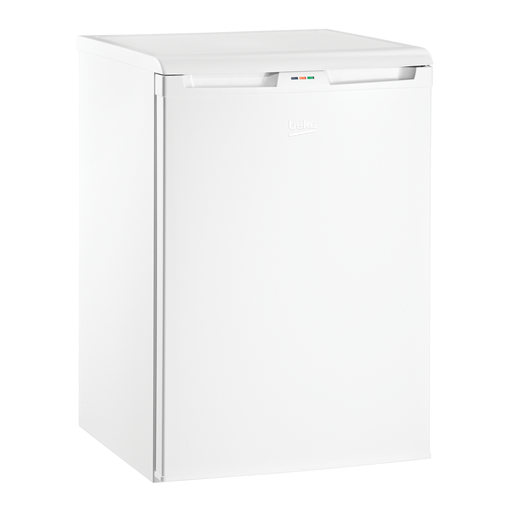
Beko FSE1074N b100 tabletop freezer
The separate storage areas can help you keep portions organised for different cooking days.
The product name lists 95 l, MinFrost, 37 dB and energy efficiency class E. Elsewhere, Beko lists the FSE1074N as 90 l in the heading and 95 l in the technical specifications. Check the specifications for the exact variant before comparing capacities precisely.
According to the product description, this freestanding appliance measures 54 × 59 × 84 cm and has two drawers and a compartment with a clear flap. MinFrost is described as reducing ice build-up; this doesn’t automatically mean you won’t need to defrost it.
View at Joybuy
 No image available
COMFEE' RCU40WH2(E) mini freezer, 31 l
The four-star rating makes this model an option if you want to freeze fresh herbs yourself. Check that its compact usable capacity suits the portions you need to store.
The product title lists 31 l, 147 kWh per year, energy efficiency class E, a reversible door and adjustable feet.
View at Joybuy
 No image available
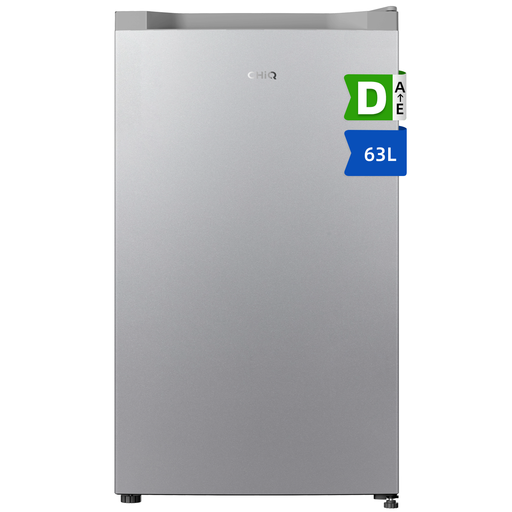
CHiQ JR63DSD freezer, 63 l
The four-star rating makes this model an option for freezing fresh herbs; two adjustable drawers provide separate storage areas.
The product title lists 63 l, manual defrosting, 38 dB and energy efficiency class D. According to the description, the appliance is 47 cm wide and has a reversible door.
View at Joybuy
 No image available
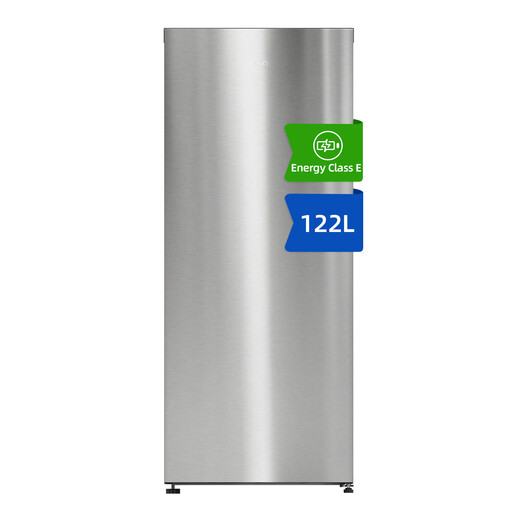
CHiQ JR122WSD freezer, 122 l
The four-star rating is relevant if you want to freeze fresh herbs. The larger usable capacity may suit households that need extra storage space.
The product title lists 122 l, NoFrost, Multi-Airflow, a switchable cooling mode and energy efficiency class E. According to the description, the appliance is 47,5 cm wide and has a reversible door and adjustable feet.
View at Joybuy
 No image available
CHiQ chest freezer, 99 l
The four-star rating is relevant for freezing fresh herbs. The wire basket can help you keep smaller packs organised inside the freezer.
The product title lists a capacity of 99 l and a wire basket. According to the description, its freezing capacity is 4,5 kg in 24 hours; it takes up 0,26 m² of floor space and has wheels.
View at Joybuy
Frequently asked questions
Can I freeze fresh herbs in any freezer compartment?
No. The German Federal Centre for Nutrition (BZfE) recommends a four-star compartment for freezing fresh food; a three-star compartment is suitable for long-term storage of food that has already been frozen. Check the rating of your existing freezer compartment.
How should we prepare portions of herbs for different cooking days?
The German Federal Centre for Nutrition (BZfE) recommends finely chopping fresh herbs and freezing them with a little water in ice cube trays. Label the portions with their contents, quantity and date so everyone in your household knows what they are.
Is MinFrost enough if we want to minimise defrosting?
Not necessarily. Beko describes MinFrost as a function that reduces ice build-up, not as a frost-free feature. Check whether the specific model is explicitly listed as NoFrost. The Bosch GTV15NWEB is listed as ‘Never defrost again: No’, while the Bomann GS 2196.1 is listed as requiring manual defrosting.
Which specifications should we compare when choosing a freezer?
Compare usable capacity, external dimensions, door clearance and stated annual energy consumption in kWh. The consumer advice centre recommends choosing capacity to suit your actual needs. Also ask the relevant retailer whether delivery, installation or removal of your old appliance is available.
Why should I check the capacity listed for the Beko FSE1074N before comparing it?
Beko lists the FSE1074N as 90 l in the heading on its website and 95 l in the technical specifications. If capacity is a deciding factor for you, check the specifications for the exact variant before comparing litre figures.


