Occasional pizza hosts
You want to prepare a few portions of dough for an evening with friends and first check whether your existing freezer has enough room.


If you only prepare a few portions of dough now and then, and have enough room in your existing freezer, you don’t need to buy an extra appliance just for that. If you regularly stock up, choose the type and capacity based on how many portions and other foods you store, how easy you want them to be to access, and how much floor space you have. Compare the stated annual energy consumption of the model that suits your needs, too.
You want to prepare a few portions of dough for an evening with friends and first check whether your existing freezer has enough room.
You want to store several portions separately and plan for some extra freezer space to keep them organised.
You regularly freeze other foods as well as dough, and are comparing upright and chest freezers for space and energy consumption.
A good fit if: You only freeze a few portions now and then and have enough free space.
The trade-off: If the compartment is full or unsuitable, it can be harder to store portions separately and take them out.
A good fit if: You regularly prepare several portions and want to store them in separate compartments.
The trade-off: Even a small extra appliance needs floor space and electricity. A smaller capacity doesn’t automatically mean lower annual energy consumption.
A good fit if: You regularly store other supplies alongside dough and want to keep them organised in separate compartments.
The trade-off: According to the Consumer Advice Centre, an appliance that’s too large for your needs uses electricity unnecessarily.
A good fit if: You store larger quantities of different foods alongside dough and have enough floor space.
The trade-off: Individual portions aren’t as easy to access as they are in an upright freezer with drawers. Compare the internal layout and energy consumption of the specific model.
| Buying priority | What to check | Who should pay particular attention? |
|---|---|---|
| Avoid an unnecessary extra appliance | Check there’s enough free space in a suitable existing freezer compartment. If buying an extra appliance, compare usable capacity and kWh/year. | If I only freeze a few portions now and then, I don’t want to run an appliance all year for an occasional occasion. That’s why around 29% of consumers ask whether an extra appliance is needed at all. |
| Keep portions organised | Check that your containers and planned quantities will fit in the drawers or chest basket; portion and wrap the dough separately. | If I want to take out several portions and other supplies separately, I pay attention to the internal layout. Around 22% of consumers prioritise keeping portions organised in the freezer. |
| Consider running costs | For appliances with a suitable capacity, compare the stated annual energy consumption in kWh. | If the appliance runs between pizza nights, I want to take its electricity use into account when choosing. Around 21% of consumers pay particular attention to running costs. |
| Find a suitable place for it | Check the appliance and transport dimensions, as well as the ambient temperature approved for the exact model. | If space is limited or the appliance will be kept in an unheated room, I check its dimensions and the permitted temperature range. Around 14% of consumers consider where to put it their main concern. |
| Plan for preparation and maintenance | Only assume a model has NoFrost if this is specifically stated; portion and wrap the dough after its first rise. | If I want to prepare portions and take maintenance into account, I plan for both freezing and thawing. Around 14% of consumers focus primarily on preparation and maintenance. |
According to the Consumer Advice Centre, a freezer that’s too large for your needs uses electricity unnecessarily.
First check whether your existing suitable freezer compartment has enough free space. Only plan for extra capacity if you regularly add other supplies.
Drawers and a chest basket offer different ways to store dough portions separately and take them out again.
Think about how many containers you want to fit inside at once and how easy you need them to be to reach in everyday use.
NoFrost relates to frost build-up in the appliance. It doesn’t affect portioning, wrapping or thawing the dough.
Plan your baking separately from your appliance purchase: King Arthur Baking recommends portioning the dough after its first rise and freezing it wrapped, as part of its method.
Only models specifically designated as suitable can be used at low ambient temperatures.
Check the temperature range in the documentation for the exact model against the conditions where you plan to put it.
The FNe 1404 Pure and FNd 4224 Plus are examples of compact and medium-sized upright freezers, respectively.
The GS29NVWEP is an example of a larger upright freezer with drawers.
The GTE 150MD is an example of a chest freezer.
The RFNE200E30WN is an example of a freestanding upright freezer with NoFrost.
This selection includes chest freezers and freestanding upright freezers for dough portions and other frozen supplies. Compare the internal layout, stated capacity and floor space required with your needs.
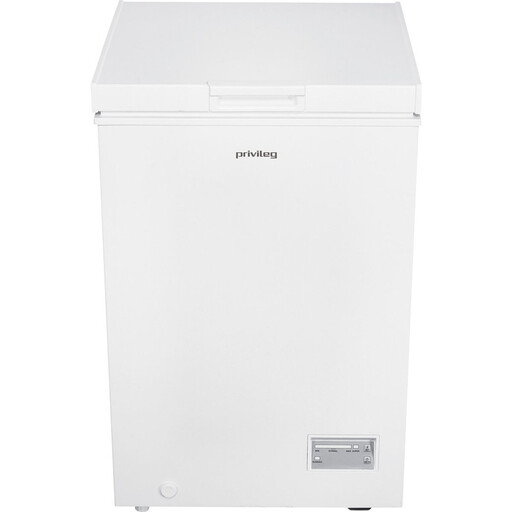 No image available
A chest freezer could be a good option if you want to store dough portions alongside other frozen supplies.
98 l; Super-Freeze function; visual temperature alarm; adjustable front feet; energy class E.
 No image available
This compact model is an option if you’re making room for an extra freezer in a small space.
31 l; 4-star rating; reversible door; adjustable feet; 147 kWh/year; energy class E.
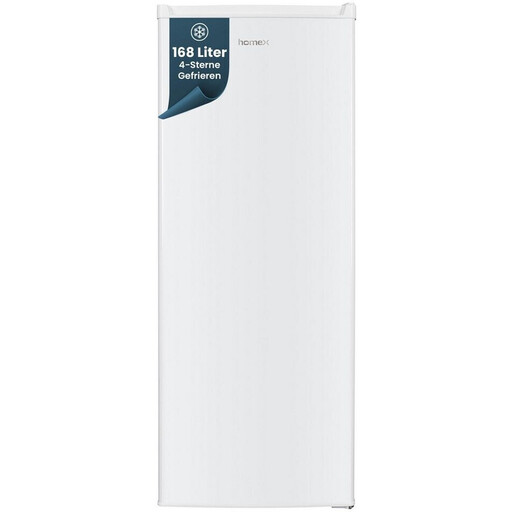 No image available
The larger capacity and separate compartments could be a good fit if you regularly store other supplies alongside dough.
168 l; four drawers and one flap compartment; reversible door; 40 dB; energy class E.
 No image available
Three drawers provide separate storage areas for portions and other frozen food.
85 l; three drawers; 4-star rating; manual temperature control; reversible door; energy class E.
Manual defrosting is required if frost build-up exceeds 5 mm.
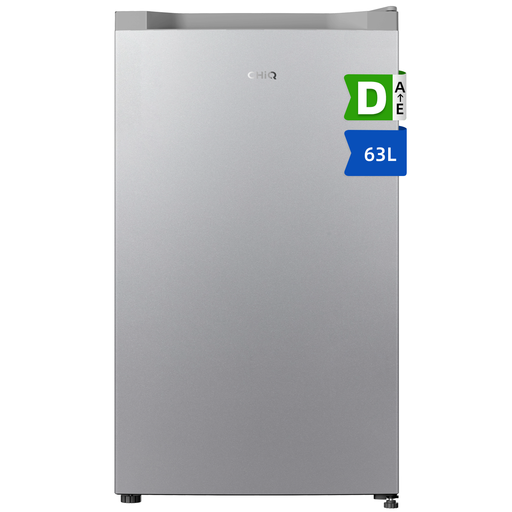 No image available
The stated width can help you check whether it will fit in a limited space.
63 l; two adjustable internal drawers; 47 cm wide; 4-star rating; manual defrosting; reversible door; 38 dB; energy class D.
After the first rise, divide the dough into suitable portions and freeze them wrapped. For its method, King Arthur Baking recommends thawing the dough before baking, then shaping it further and leaving it to rise.
Use suitable containers or wrapping, and label them with the contents, quantity and date frozen. The Federal Institute for Risk Assessment also stresses the importance of hygienic handling and adequate refrigeration for perishable foods. This does not mean there’s a guaranteed shelf life for pizza dough.
It includes the standardised annual energy consumption in kWh and the freezer capacity, among other details. To work out your own costs, multiply the stated energy consumption by your electricity price per kWh. Actual consumption also depends on how and where you use the appliance.
Check whether delivery to the installation location, connection and collection of an old appliance are offered as separate services. In Germany, waste electrical appliances are collected separately, and local collection points generally accept them free of charge. This is a disposal rule, not an obligation to buy a new appliance.
That depends on the specific model and its approved ambient temperature range. According to their respective product details, Liebherr describes the FNd 4224 and Bauknecht the GTE 150MD as suitable for temperatures down to −15 °C. These manufacturers’ specifications don’t automatically apply to other appliances.