For cooks short on space
If you only want to freeze a few portions of cooled soup, compact dimensions and enough clearance for the door are key. A large appliance can get in the way in an already small kitchen.


For a few occasional portions, first check whether there’s enough room in an existing four-star freezer compartment. If not, a compact freezer box may take up less floor space. If you regularly batch-cook larger quantities, give more weight to freezing capacity, usable interior space and how easy it is to reach the containers. A chest freezer needs enough room to stand and for its lid to open. Cool the soup quickly in smaller portions before freezing it.
If you only want to freeze a few portions of cooled soup, compact dimensions and enough clearance for the door are key. A large appliance can get in the way in an already small kitchen.
If you freeze several portions at a time, storage space matters, as do the stated freezing capacity and how easy it is to reach the containers.
If you’re considering extra freezer capacity, compare the annual energy consumption of specific appliances with the option of using an existing freezer compartment.
Suitable if: you only have a few portions to freeze and there’s enough space in the freezer compartment.
The trade-off: you won’t need an extra appliance, but you’ll need to make room for the soup alongside food already in the freezer.
Suitable if: floor space is limited and you mainly freeze individual, fairly flat portions.
The trade-off: interior space is limited, and a small appliance doesn’t automatically use less electricity.
Suitable if: you regularly freeze several portions and want to organise your supplies in drawers.
The trade-off: check that the appliance’s dimensions, door opening and ongoing electricity consumption work for your kitchen and budget.
Suitable if: storing larger quantities matters more than keeping the footprint small, and there’s room to open the lid.
The trade-off: in a cramped kitchen, floor space and access to individual containers can make it less convenient to use. The Verbraucherzentrale notes that chest freezers are more energy-efficient than upright freezers.
| What matters | What to look for when buying | Who is it important to? |
|---|---|---|
| Floor space and usable capacity | Compare the width, height and depth, the required clearance from the wall and the space needed with the door open against the actual usable capacity. | If I’m short on space, the kitchen needs to accommodate the open door too. Around 33% of consumers say floor space matters most to them. |
| Quantity to freeze at one time | Compare the amount in one batch with the stated freezing capacity in kg/24 h and the available interior space. The capacity in litres alone doesn’t tell you how quickly food can be frozen. | If I regularly freeze several portions at once, I want to choose a freezing capacity and interior space that suit the amount I cook. Around 27% of consumers prioritise the quantity they can freeze. |
| Ongoing electricity consumption | Compare the kWh/year on the EU energy label and use your own electricity tariff to estimate the cost. The European Commission lists annual energy consumption as information that must appear on freezer labels. | If an extra appliance will be running all the time, I want to factor in its annual consumption. Around 20% of consumers say electricity consumption matters most to them. |
| Portioning and access | Check that your containers fit the interior layout and can be taken out individually. The Federal Centre for Nutrition recommends using suitable freezer containers and freezing food in portions. | If I want to take out individual portions of soup later, the containers need to fit well and be easy to reach. Around 20% of consumers prioritise access to individual portions. |
The Verbraucherzentrale points out that a mini freezer can use more electricity than a larger, well-insulated appliance.
Compare the usable capacity and stated kWh/year of the specific models you’re considering.
The stated depth of the Exquisit GB540-050C weiss is 45 cm, increasing to 88 cm with the door open. These measurements apply to this model.
Before choosing, check the space it needs, the required clearance and how much room the open door takes up.
Litres describe storage space, while freezing capacity tells you how much food the manufacturer says the appliance can freeze in 24 hours.
Compare the amount in your batch with the stated freezing capacity, and divide larger quantities into suitable portions.
The GB540-050C weiss is an example of a compact freezer box for smaller quantities.
The GB 8886 is an example of a small freezer box with a stated freezing capacity.
The GTV15NWEB is an example of an under-counter freezer with more storage space and drawers.
The MD 37675 Anthrazit is another example of a model that offers extra freezer space for smaller quantities of food.
The products below include compact chest freezers, mini freezers and larger freezers. For soup, check before buying that the stated freezer function is suitable for freezing fresh food.
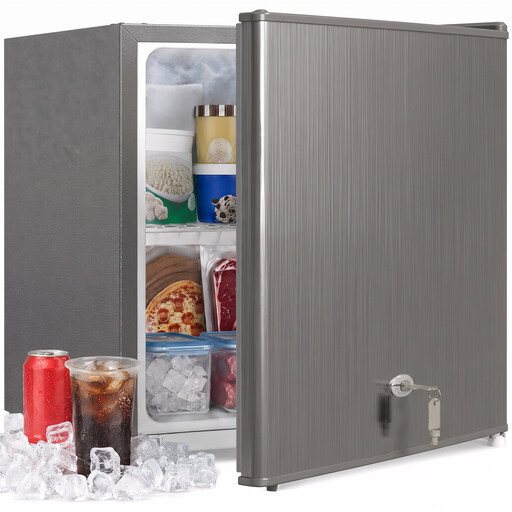 No image available
A mini chest freezer may suit smaller quantities of food. Before buying, check that the appliance is explicitly suitable for freezing fresh food.
The product name lists a capacity of 35 l and a power rating of 161 W.
The product name does not mention a four-star freezer function.
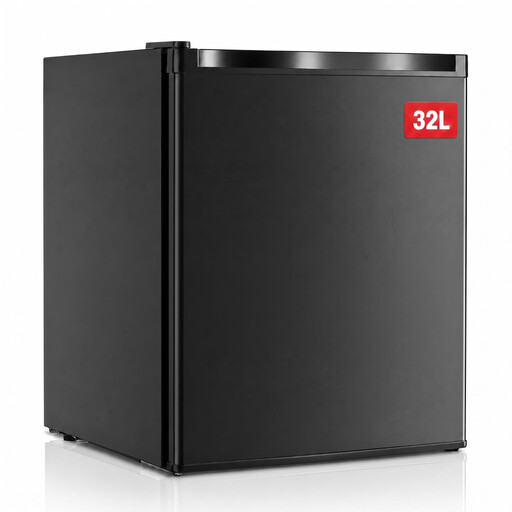 No image available
Its compact design may appeal if space is tight. Before buying, check whether the model has the necessary function for freezing fresh soup.
The product name lists a capacity of 32 l, a noise level of 43 dB, seven temperature settings and a reversible door.
A four-star freezer function is not listed in the product name.
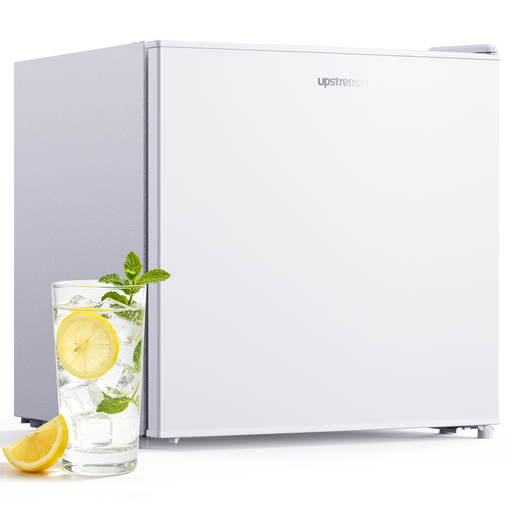 No image available
The product name specifies a four-star freezer function, making this a useful feature to look for when freezing freshly made soup.
The listed features include a capacity of 35 l, a reversible door and a noise level of 41 dB.
 No image available
The larger usable capacity may suit several storage containers. Before buying, check whether the freezer function is suitable for freezing fresh soup.
The product name lists a capacity of 95 l, energy efficiency class E, a removable basket, a defrost drain and seven thermostat settings.
A four-star freezer function is not listed in the product name.
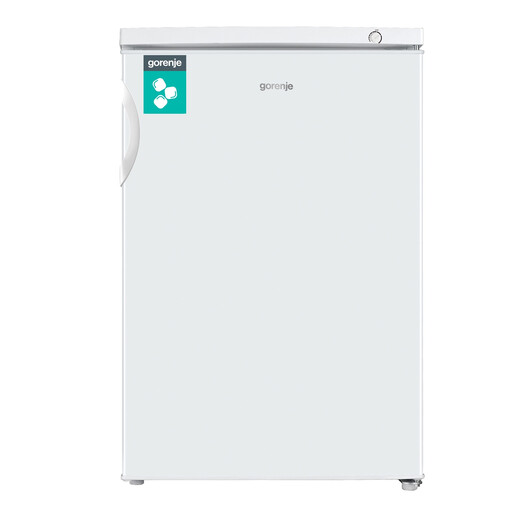 No image available
The product name lists a four-star rating and a freezing capacity of 4 kg in 24 hours, which is useful when comparing it with the amount in one batch of food.
Other details listed include a capacity of 85 l, energy efficiency class D, 131 kWh/year, 15 hours’ storage time and a noise level of 40 dB.
Manual defrosting is required.
Let cooked soup cool quickly before freezing, then divide it into portions. For larger quantities, the Federal Institute for Risk Assessment recommends using several shallow dishes. The Federal Centre for Nutrition recommends suitable, labelled freezer containers.
Look for a stated four-star freezer function or documented freezing performance. A compartment designed only to store food that is already frozen isn’t suitable for freshly made soup.
Compare the kWh/year on the EU energy label and factor your own electricity tariff into your cost estimate. The European Commission also lists details such as usable volume and noise emissions on the label. Actual consumption also depends on how and where the appliance is used.
Allow space for the door to open as well as the clearance required for the specific model. The Federal Environment Agency advises against placing freezers next to warm appliances or in direct sunlight. Whether defrosting is required depends on the model.
For a rough estimate of running costs, multiply the stated kWh/year by your electricity price per kWh. Actual consumption may vary. The Federal Ministry for the Environment explains that old appliances can be taken to eligible local collection points. Retailers’ take-back obligations depend on factors including the size of the retailer and whether you’re buying a new appliance.