
Lieferung heute & morgen

Qualitätsgarantie

Willkommens-Angebote freischalten: KOSTENLOSE Lieferung | Bis zu 80 % RABATT | Kostenlose 30-Tage-JoyPlus-Testphase
App herunterladen
Purchasing a new refrigerator is a major decision for any household. A French door refrigerator, in particular, promises ample space and modern features. However, the market is flooded with marketing promises that often obscure more than they clarify. Many buyers invest in expensive appliances, only to discover after a short time that they don't meet their basic needs. This guide will help you navigate the common pitfalls and make an informed decision.
As a Joybuy Product Recommendation Officer, I filter the essential information for you, so you can find an appliance that truly fits your needs.
Before we dive into the important technical details, let's shed light on the three most common issues that lead to dissatisfaction:
To avoid a poor purchase, you should focus on three core technical features that determine the longevity, efficiency, and functionality of your refrigerator.
The heart of any refrigerator is the compressor. Here, there is one critical difference:
Don't be swayed by simple litre specifications. What matters is how the space can be used. A good rule of thumb for the required volume is about 100 litres for the first person in the household and 50 litres for each additional person. For a large family refrigerator, pay attention to the following aspects:
A good no-frost fridge-freezer not only prevents ice build-up but also ensures a uniform temperature throughout the entire interior. Look for terms like Multi-Airflow or circulated air cooling. These systems distribute cold air through vents on every level, preventing food near the back wall from freezing while it's too warm by the door. This is especially important for large-volume appliances like a side-by-side refrigerator or a French door model. A freestanding stainless steel refrigerator should not only look good but also deliver technically.
Here are some models that represent a considered choice for different needs, based on objective criteria.
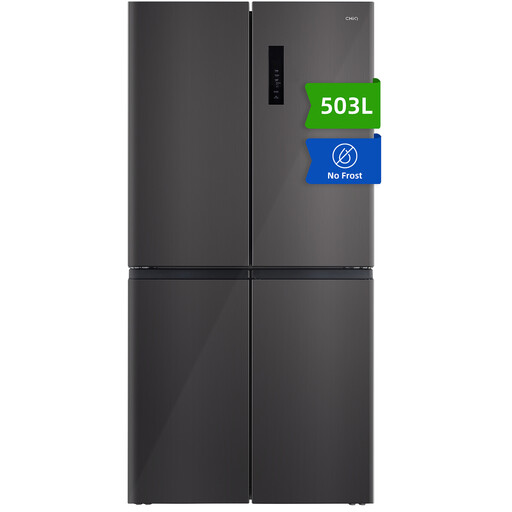
Why This Fits Their Persona: Ideal for families who need a very large usable capacity and modern core technologies but can do without costly brand names and extra features. The focus is on functionality and a great price-to-performance ratio.
This model bypasses the misleading volume trap with a genuinely usable capacity of 503 litres. It also features a true inverter compressor and Multi-Airflow technology, which avoids the "No Frost" illusion.
Generous storage space (317 L fridge, 186 L freezer) and a 12-year manufacturer's warranty on the compressor provide long-term peace of mind.
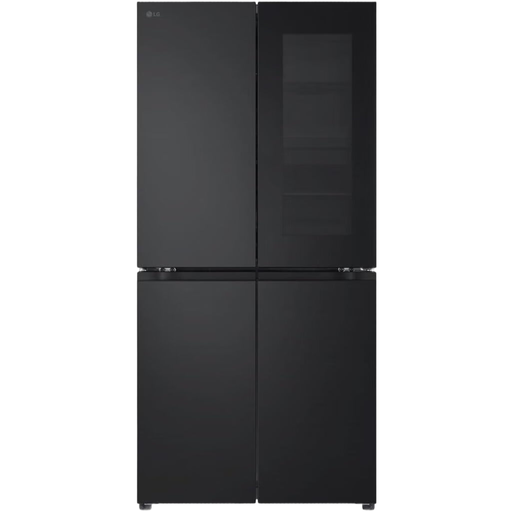
Why This Fits Their Persona: For households that value elegant kitchen design and meaningful technical innovations. Its slim build (83.5 cm) fits into niches without compromising on volume (530 L).
This model avoids the trap of superfluous "smart" features. The InstaView function has a practical benefit: it reduces cold air loss by minimising the need to open the door. The LINEARCooling technology ensures minimal temperature fluctuations of ±0.5°C (according to the manufacturer).
The combination of a slim design, large volume, and practical InstaView technology. Total No Frost and precise temperature control complete the package.
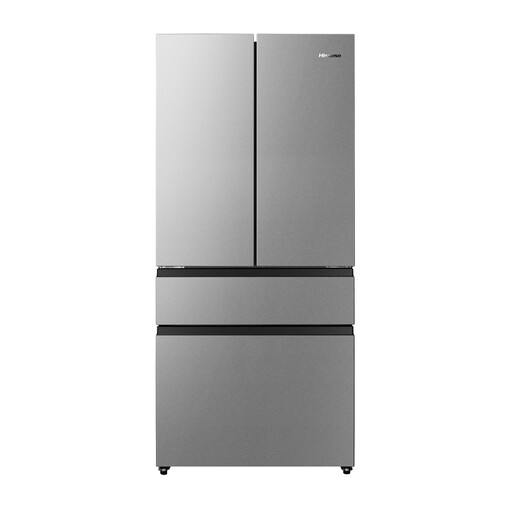
Why This Fits Their Persona: Perfect for users who often entertain guests, do bulk shopping, or have varying seasonal storage needs. The appliance's flexibility is the main focus here.
This appliance cleverly solves the problem of unused space. The ConvertActive function allows the freezer compartment to be converted into a standard refrigeration zone when needed. This maximises the usable volume and avoids rigid, impractical layouts.
Outstanding flexibility thanks to the ConvertActive function. Additionally, NoFrost Plus, an inverter compressor, and special freshness zones (CrispZone) ensure reliable and modern food storage.
We've compiled a complete, up-to-date list of products that fully meet these strict selection criteria and German safety regulations.
A side-by-side refrigerator has two full-length vertical doors, with one side for the fridge and the other for the freezer. This often results in narrow compartments. A French door refrigerator combines a wide, two-door refrigeration section on top with freezer drawers below. This allows for storing wide items like baking sheets or platters in the fridge section and provides a better overview of the freezer contents.
Most freestanding refrigerators require about 5 cm of clearance on the sides and back from walls or furniture to ensure adequate air circulation for the heat exchanger. There should also be at least 5-10 cm of space at the top. Some modern models with integrated bottom ventilation require less space on the sides. Always check the manufacturer's manual for specific instructions.
The costs depend heavily on the energy efficiency class, usable volume, and individual usage habits. A modern appliance with energy efficiency class E and a volume of about 400-500 litres consumes approximately 250-310 kWh per year. At an electricity price of 30 cents/kWh, this would correspond to annual costs of about €75 to €93. An older appliance can easily consume double that amount. Therefore, investing in an energy-efficient model with an inverter compressor pays for itself over the years.