
Lieferung heute & morgen

Qualitätsgarantie

Willkommens-Angebote freischalten: KOSTENLOSE Lieferung | Bis zu 80 % RABATT | Kostenlose 30-Tage-JoyPlus-Testphase
App herunterladen
The French press, also known as a plunger pot or cafetière, is the method of choice for many coffee lovers seeking a full-bodied, aromatic brew. The preparation is straightforward and sustainable, as it requires no paper filters or capsules. However, the market offers an overwhelming selection, and not every coffee maker lives up to its promise. Before you make a decision, it's helpful to know the typical pitfalls that often only become apparent after a few weeks of use.
Common Problems with Low-Quality Models:
To make an informed choice, you should consider three key aspects. These largely determine the durability, ease of use, and the quality of your coffee.
The choice of material affects both heat retention and stability.
A good manual coffee maker hinges on its filter system. A high-quality filter typically consists of several parts: a spiral plate that presses the filter against the carafe wall, and one or more fine metal screens. Ensure that these components are made of rust-proof stainless steel and can be disassembled for easy cleaning. A well-designed system ensures a clean separation of coffee grounds and the final beverage.
The size of the press should match your coffee consumption. Manufacturer specifications in "cups" can be misleading, as they often refer to small espresso-style cups (approx. 125 ml). It's better to go by the millilitre measurement:
Based on the quality criteria mentioned, we have compiled a few models for different user profiles.
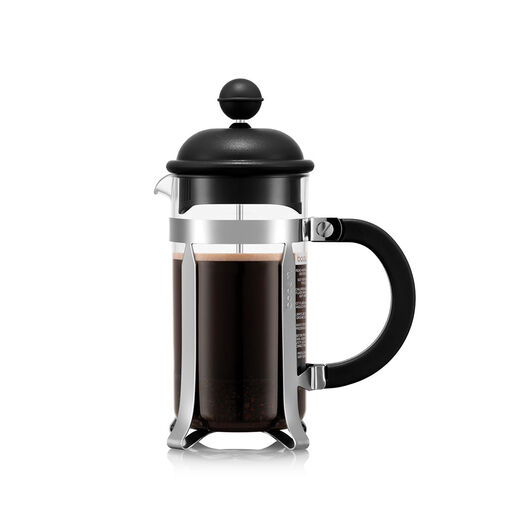
Why This Fits Their Persona: This model is ideal for anyone new to the world of French press coffee or looking for a compact, single-serving solution. It combines a classic design with Bodum's proven functionality.
The sturdy frame and BPA-free plastic handle provide a secure grip. The proven Bodum filter system ensures a clean, sediment-free coffee.
Compact size for one large cup of coffee (350 ml). Carafe made of heat-resistant borosilicate glass. Sustainable brewing without filters or capsules.
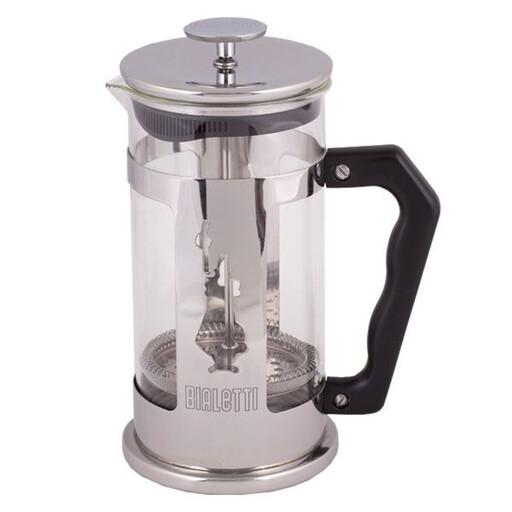
Why This Fits Their Persona: For daily use in families or by heavy coffee drinkers, a robust and sufficiently large model is essential. This Bialetti coffee press combines Italian design with durable materials.
The high-quality 18/10 stainless steel holder and the borosilicate glass beaker are designed for frequent use and are highly resilient.
Large 1-litre capacity for multiple cups. The glass body is dishwasher-safe, simplifying cleanup. Elegant design from the renowned manufacturer Bialetti.
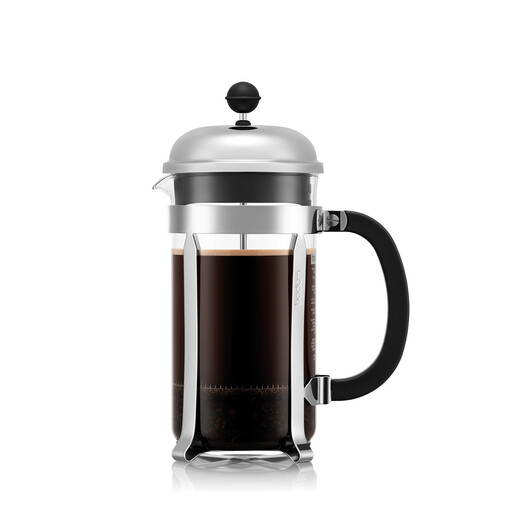
Why This Fits Their Persona: For lovers of timeless design, the CHAMBORD model from Bodum is an icon. It has been in production since the 1950s and represents the perfect union of form and function.
The steel frame undergoes several chrome-plating processes for a durable, shiny surface that protects the glass. The precision filter system is built for longevity.
Iconic design, considered the original among French press coffee makers. High-quality craftsmanship of glass and steel. Extracts the full aroma of the coffee beans.
We have compiled a complete, real-time list of products that fully satisfy these strict selection criteria and UK safety regulations.
A coarse grind is crucial for brewing in a plunger pot. If the coffee is ground too finely, it can clog the metal filter. This makes the plunger difficult to press down and allows fine coffee sediment to pass through the filter into your cup. A grind size that resembles coarse sea salt is ideal.
Cleaning is straightforward. First, remove the coarse coffee grounds (these should not be poured down the drain but disposed of in organic waste or compost). Then, unscrew the filter unit from the plunger and rinse all parts under running water. Most glass beakers and stainless steel filters are dishwasher-safe, but you should always check the manufacturer's instructions. The frame and any plastic parts should often be hand-washed to preserve the material.
Yes, a French press is also very well-suited for brewing loose-leaf tea. The process is identical: add the loose tea to the carafe, pour hot (not boiling) water over it, and let it steep. After the steeping time, slowly press the plunger down to separate the tea leaves from the water. It is advisable to use separate presses for coffee and tea to avoid any flavour transfer.