
Lieferung heute & morgen

Qualitätsgarantie

Willkommens-Angebote freischalten: KOSTENLOSE Lieferung | Bis zu 80 % RABATT | Kostenlose 30-Tage-JoyPlus-Testphase
App herunterladen
Choosing to buy a French press is often the first step towards a more mindful approach to making coffee. The method, also known as a plunger pot or coffee press, promises full-bodied, aromatic coffee without paper filters. However, the market is flooded with models whose differences in quality are not apparent at first glance. Many buyers invest in a press that becomes unusable after just a few months due to a cracked carafe, a wobbly plunger, or a rusty filter. This guide will show you the crucial features to look for to find a durable and functional French press.
Before we dive into the features of a good coffee press, it's important to understand the most common problems that lead to disappointment and unnecessary expense.
To avoid the problems mentioned above, you should check three technical aspects before buying. These define the durability and functionality of your future coffee press.
The heart of any glass French press is the carafe. Make sure to look for borosilicate glass. This material is extremely heat-resistant and impervious to sudden temperature changes. It is also flavour-neutral and does not absorb odours, which is essential for a pure coffee taste. The frame and filter unit should be made of rust-proof stainless steel. This prevents corrosion and ensures a stable, durable construction.
Ignore the cup rating and focus on the capacity in millilitres or litres. A realistic guide:
A high-quality coffee maker that doesn't use paper filters requires an excellent metallic filter system. Look for a three-part assembly: a spring plate that presses the filter against the carafe wall, a fine-mesh screen that holds back the coffee grounds, and a stabilising cross plate. All parts should be made of stainless steel and be easy to disassemble for cleaning. A precisely engineered system is the key to clear, sediment-free coffee.
Based on the quality criteria above, we have identified several models suitable for different needs and user profiles.
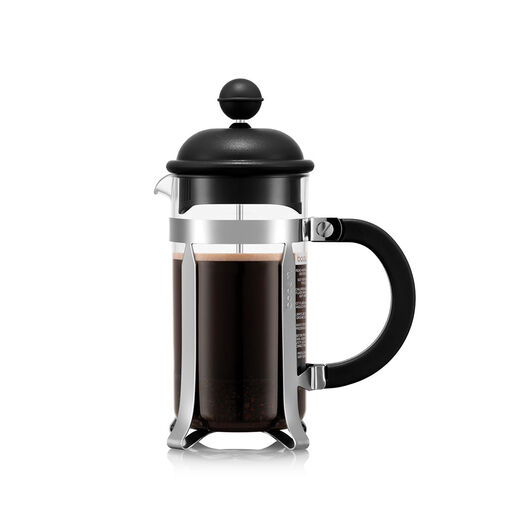
Why this model fits: Ideal for individuals or students looking for a reliable, compact, and affordable French press from an established brand. The 350 ml size is perfect for one large mug of coffee in the morning without taking up too much space.
Despite its budget-friendly price, this model uses heat-resistant borosilicate glass. The frame and the proven Bodum filter system are stable, preventing the common issues of wobbliness and coffee grounds in your cup.
Offers proven Bodum quality and functionality in a compact design. A solid entry point into the world of French press coffee.
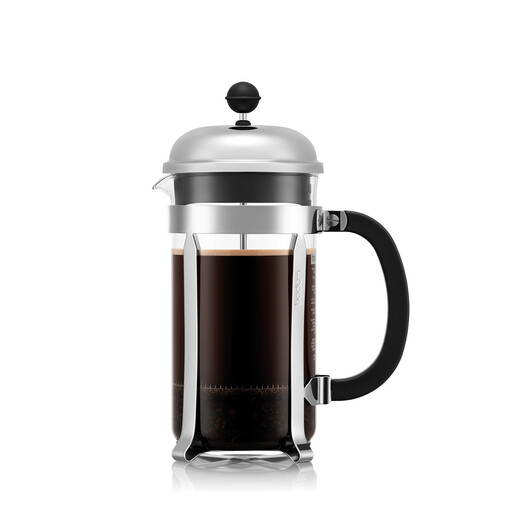
Why this model fits: For anyone looking for an icon. The Bodum Chambord is the original, combining timeless design with high-quality materials. The 1-litre version is perfect for daily family use or for serving guests.
The sturdy, chrome-plated steel frame effectively protects the borosilicate glass and provides a stable base. The precision filter system is a Bodum hallmark and minimises sediment in the coffee.
A classic design that has been proven for decades. The combination of steel and glass is not only visually appealing but also built for durability.
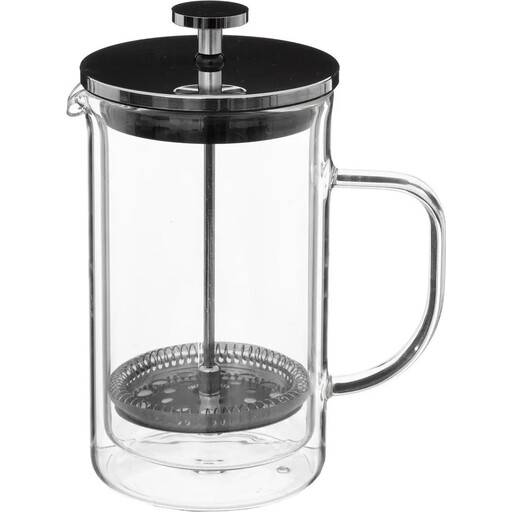
Why this model fits: Perfect for those who want to enjoy their coffee warm over a longer period without it becoming bitter. Ideal for Sunday breakfast or coffee with friends, where the pot stays on the table.
The double-walled borosilicate glass construction is not only an excellent heat insulator but also makes the press more robust than single-walled models. The risk of thermal shock is further minimised.
Keeps coffee significantly warmer for longer than conventional presses, while the outer wall remains cool to the touch. A functional benefit for connoisseurs.
We have compiled a complete, up-to-date list of products that fully meet these strict selection criteria and relevant safety standards.
1. What is the ideal grind size for a French press? A coarse grind is crucial for a French press. The consistency should resemble coarse sea salt or semolina. A grind that is too fine can clog the metal screen, making it difficult to press the plunger down and leading to over-extraction of the coffee. Additionally, fine particles can pass through the screen and end up in your cup.
2. How do I clean a plunger pot correctly? Cleaning is straightforward. Remove the coarse coffee grounds (don't put them down the drain; they make great plant fertiliser). Then, unscrew the filter assembly at the bottom of the plunger. Most glass carafes and stainless steel filters are dishwasher-safe. However, always check the manufacturer's instructions, especially for parts made of plastic or with special coatings.
3. Can I also brew tea in a French press? Yes, a French press is excellent for brewing loose-leaf tea. The process is identical: add the tea to the pot, pour in hot (not boiling) water, let it steep, and then slowly press the plunger down to separate the tea leaves from the brew. It is recommended to use separate presses for coffee and tea to avoid flavour transfer.