
Lieferung heute & morgen

Qualitätsgarantie

Willkommens-Angebote freischalten: KOSTENLOSE Lieferung | Bis zu 80 % RABATT | Kostenlose 30-Tage-JoyPlus-Testphase
App herunterladen
The variety of Asian noodles is impressive, but the selection in supermarkets or online can quickly become overwhelming. Anyone wanting to prepare authentic dishes like Pad Thai, Japchae, or a comforting bowl of ramen often faces a shelf full of products with confusing labels. Making the wrong choice here not only leads to an inauthentic flavour experience but also wasted money.
This guide will help you avoid the most common pitfalls and find the right types of noodles for your needs—whether you're cooking authentic recipes, eating health-consciously, or looking for a quick everyday meal.
The 2 most common mistakes when buying Asian noodles:
To make an informed decision, you should consider three fundamental parameters. These determine not only the taste but also whether the noodle is suitable for your diet and the planned dish.
The most important characteristic of an Asian noodle is its base ingredient. This influences everything—from its firmness to its suitability for specific dietary needs.
The shape is not accidental; it's functional. Thin noodles cook quickly and are suitable for light soups and salads. Thick, sturdy noodles like udon can stand up to rich, thick sauces and stews. Flat ribbon noodles offer a large surface area and bind sauces particularly well in stir-fry dishes.
Always check the preparation instructions. Some noodle varieties only need to be soaked in hot water for a few minutes (e.g., many rice vermicelli), while others require a precise cooking time in boiling water. Instant noodles are pre-cooked and only need to be steeped in hot water, making them a convenient option for quick meals.
Instead of presenting an overwhelming list, we have selected products that meet specific requirements and solve common problems.
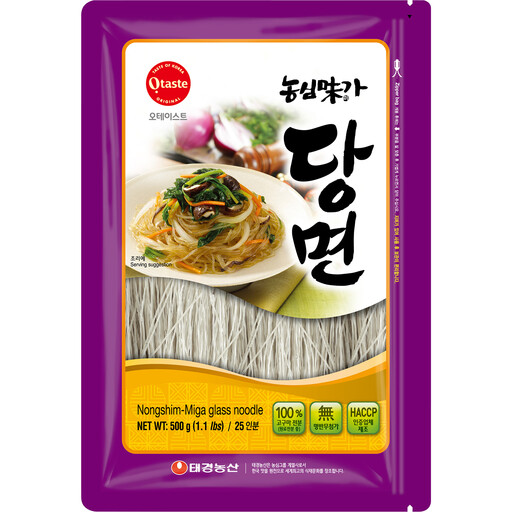
Why it's a great match: Ideal for home cooks who want to prepare the authentic Korean noodle dish Japchae. The texture is crucial for this dish and cannot be replicated with other types of noodles.
According to the manufacturer, this product is made from 100% sweet potato starch. It's not a vague "glass noodle" but the specific variety (Dangmyeon) needed for an authentic result.
The noodles retain their elastic, chewy texture even after cooking and do not become mushy. They are naturally gluten-free.
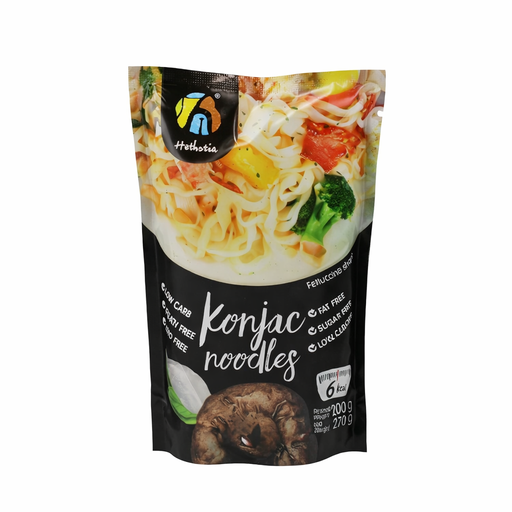
Why it's a great match: A functional choice for individuals following a keto diet, reducing their carbohydrate intake, or cutting calories. These konjac noodles serve as a neutral vehicle for sauces and other ingredients.
The ingredient list is transparent and short: water, konjac powder, and a acidity regulator. There are no hidden sugars, fats, or fillers. The nutritional information is clearly stated.
According to the manufacturer, the noodles contain only 6 kcal and 0g of net carbs per 100g. They are also fat-free, sugar-free, gluten-free, and vegan.
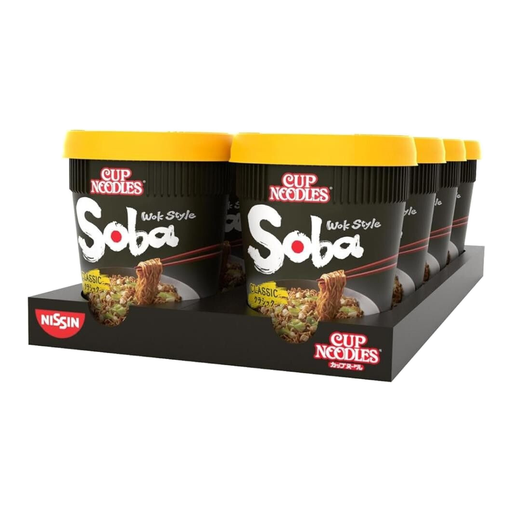
Why it's a great match: A convenient solution for students or professionals who need a quick yet flavourful meal. These wok-style instant noodles are ready in minutes.
Unlike many cup noodles that end up as a soup, this product features a convenient lid with a draining function. This gives you stir-fried noodles with the right consistency instead of a watery noodle soup.
According to the manufacturer, preparation takes only 3 minutes. The included Yakisoba sauce provides an authentic, savoury flavour that goes beyond a simple bouillon cube base.
Many authentic Asian noodles are naturally plant-based. If you are specifically looking for such options, you can find more products that meet these criteria in our curated selection.
The main difference lies in the base ingredient. Rice noodles are made from rice flour and have a soft, opaque white colour after cooking. Glass noodles are typically made from mung bean or sweet potato starch. They are white when dry but become transparent when cooked, developing a distinctly more elastic and chewy texture.
Konjac noodles are packaged in a liquid that can have a slightly fishy smell. This odour comes from the konjac root itself and is harmless. To remove it, follow these steps:
After opening the package, dry Asian noodles should be stored in an airtight container. Keep the container in a cool, dry, and dark place, such as a pantry. This prevents the noodles from absorbing moisture and ensures they will last for many months.