The choice of noodle is a fundamental decision that critically defines the texture, flavour, and authenticity of any Asian dish. Unlike their dried counterparts, fresh Asian noodles offer a distinct texture and a shorter cooking time, making them a preferred component for many traditional recipes. Analysing product characteristics—from the base ingredient to the processing method—allows for an informed choice for your intended dish, whether it's a rich soup, a stir-fry, or a light salad.
Selection Criteria for Fresh Asian Noodles
When selecting fresh noodles, several key characteristics should be considered as they directly impact the final dish.
- Base Ingredient and Noodle Type: The primary ingredient defines the noodle's character. Wheat flour noodles, typical for Japanese noodles (Ramen), have an elastic and firm structure due to gluten. Rice noodles, the foundation for many Southeast Asian dishes like Pad Thai or Vietnamese soups, are naturally gluten-free and have a softer, smoother texture.
- Texture and Processing: The noodle's bite is determined by the ingredient blend and the manufacturing process. For instance, modified starches may be added to increase elasticity and prevent sticking. Vacuum packaging preserves freshness and the specific texture by protecting the noodles from drying out.
- Ingredient List: A short, clear ingredient list is often an indicator of a product that focuses on the essentials. Acidity regulators like lactic acid or sodium lactate are used to naturally extend shelf life and stabilise the pH value, which is crucial for food safety and freshness preservation.
- Preparation Instructions: Fresh noodles are often pre-cooked. This significantly reduces cooking time compared to dried products, often to just a few minutes. This is a convenient benefit for quick meal preparation.
Our Suggested Options
Based on the criteria above, we present a selection of fresh noodle products suited for specific culinary applications.
Golden Pagoda Fresh Ramen Noodle Japanese Style 180g
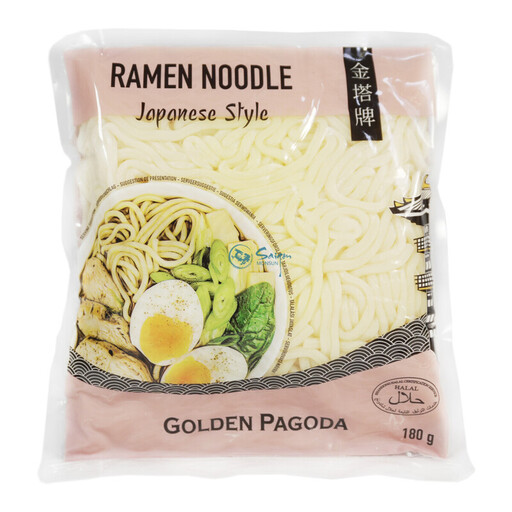
- Why we recommend this product: These Japanese-style fresh ramen noodles are designed for an authentic texture: smooth, firm, and elastic. The wheat flour base provides the characteristic bite desired in ramen soups. Pre-cooking and vacuum sealing minimise preparation time while preserving freshness.
- Advantages:
- Very short cooking time of 1–2 minutes.
- Classic, firm "al dente" texture that holds its shape even in hot broth.
- Versatile enough for various types of ramen, such as Tonkotsu or Shoyu.
- Who it's for: This product is aimed at home cooks who want to prepare an authentic ramen soup quickly and easily, without compromising on noodle texture.
Duy Anh Fresh Rice Vermicelli 400g
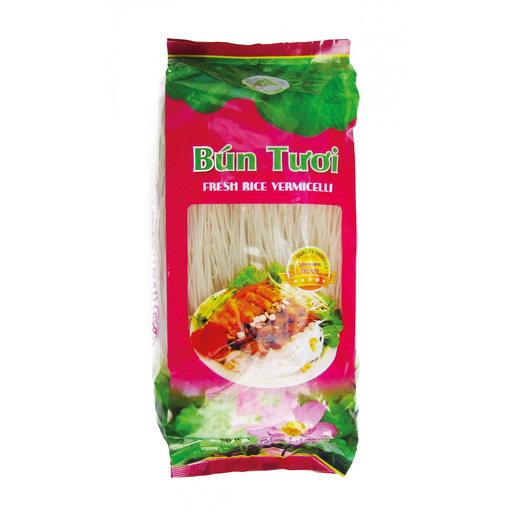
- Why we recommend this product: These Vietnamese noodles are the Bún T??i (fresh rice noodles) type and are distinguished by a minimalist ingredient list of rice and water. Their smooth and elastic quality makes them a versatile foundation for a range of Vietnamese dishes.
- Advantages:
- Made with just two natural ingredients.
- Gluten-free composition based on rice flour.
- Suitable for soups (e.g., Pho), fresh summer rolls, or as a base for noodle salads.
- Who it's for: Ideal for enthusiasts of authentic Vietnamese cuisine looking for a base for traditional dishes. Also a great choice for those who prefer a gluten-free noodle alternative.
Golden Pagoda Fresh Pad Thai Noodle 200g
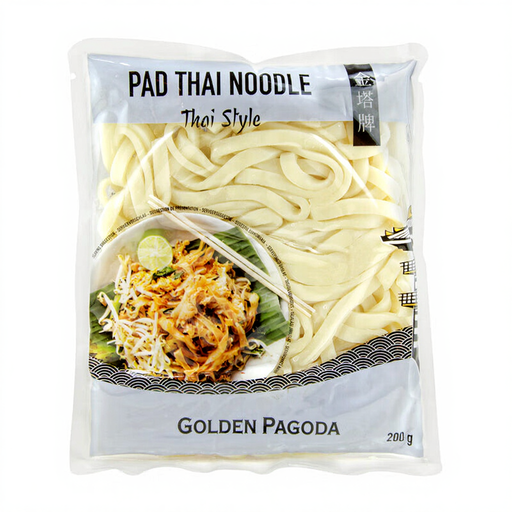
- Why we recommend this product: These fresh rice noodles are specifically designed for preparing Pad Thai. Their wide, flat shape and soft yet elastic texture are optimised to absorb sauces well without breaking during wok stir-frying. The pre-cooked nature significantly simplifies the cooking process.
- Advantages:
- Structure is optimised for preparing noodles for wok dishes.
- Reduces preparation and cooking time for Pad Thai.
- Absorbs sauces exceptionally well, ensuring a balanced flavour experience.
- Who it's for: This product is for anyone who wants to make a quick and successful Pad Thai at home. It solves the common problem of dried rice noodles breaking or clumping easily during frying.
Other Options and Alternatives
The selection presented covers specific applications within Asian cuisine. However, the range of chilled noodle products is broader, encompassing other regional specialities and shapes. Those looking for greater variety or needing different noodle types for their dishes can consider other products.
For a broader overview of chilled noodle products, you can explore our fresh pasta category.
Frequently Asked Questions (FAQ)
1. How long do fresh Asian noodles last? The shelf life of unopened, vacuum-packed fresh noodles is indicated on the packaging and typically ranges from several weeks to months when stored in a cool, dry place. Once opened, the noodles should be refrigerated and consumed within 24 to 48 hours, as recommended by the manufacturer, to ensure their freshness and texture.
2. Do fresh noodles need to be washed or soaked before cooking? This depends on the specific product type. Pre-cooked, vacuum-packed noodles like ramen or Pad Thai noodles should often be briefly rinsed under warm water to loosen them. Other types, such as fresh rice vermicelli (Bún T??i), require a short soak or boil in hot water. The exact instructions are always on the product packaging and should be followed for optimal results.
3. What is the main difference between fresh and dried ramen noodles? The primary difference lies in texture and preparation time. Fresh ramen noodles have a higher moisture content, resulting in a more elastic, chewy, and smoother texture. They are usually pre-cooked and only require 1–3 minutes in boiling broth. Dried ramen noodles need to be rehydrated, have a longer cooking time, and often a firmer, less elastic consistency.


