If you’re eating fresh berries the same evening, a suitable fridge compartment that isn’t overcrowded is all you need; there’s no need for a freezer compartment. Germany’s Federal Centre for Nutrition recommends storing strawberries unwashed, covered and chilled. A fridge-freezer makes sense if you also regularly store frozen food or freeze food yourself. If so, compare the fridge and freezer capacities, dimensions and stated annual energy consumption.
Who should consider which type of appliance?
Hosts serving fresh berries
If you want to keep delicate fruit chilled and intact until everyone sits down to eat, what matters most is having enough usable fridge space. Germany’s Federal Centre for Nutrition recommends storing strawberries unwashed, covered and chilled.
Households that keep frozen food
If you regularly store frozen food or freeze food yourself, make the freezer capacity you need a separate consideration when choosing. The German consumer advice centre cites this regular need as a reason to consider a freezer.
Households short on space
If you need to fit your fridge and freezer needs into the space available, check the appliance dimensions and the separate usable capacities. The German consumer advice centre notes that larger fridges may use more electricity.
What matters when choosing?
Fridge without a freezer compartment
A good fit if: you only need to chill the berries until the evening and don’t need dedicated freezer space.
The trade-off: there’s no freezer compartment for frozen food or food you’ve frozen yourself.
Fridge-freezer
A good fit if: your household regularly stores frozen food or freezes food itself.
The trade-off: the freezer takes up space, so don’t choose a larger capacity than you need.
Fridge-freezer with a separate fruit compartment
A good fit if: you regularly store other fruit and vegetables as well as berries, and would like a dedicated compartment for them.
The trade-off: a freshness compartment doesn’t prove that berries will stay fresh for longer until the evening.
| What matters |
What to check before buying |
Who it matters most to |
| Gentle chilling |
Will a covered container fit in an easily accessible compartment? Can you adjust the fridge temperature? |
If I want to keep berries chilled and intact until everyone sits down to eat, I need enough space and a suitable place to store them. This is the top priority for around 40% of consumers. |
| Freezer compartment |
How much freezer capacity do you actually need? Compare it separately from the fridge capacity. |
Anyone who regularly stores frozen food or freezes food themselves needs a suitable freezer compartment. Around 20% of consumers say this is their top priority. |
| Space and capacity |
Check the height, width and depth, as well as the fridge and freezer capacities. For integrated appliances, check the niche dimensions too. |
If space in your kitchen is limited, the appliance dimensions and layout need to suit your household. Around 20% of consumers put available space and usable capacity first. |
| Energy consumption |
Compare the annual consumption in kWh and the energy label for the specific model. |
Consumers who are particularly mindful of ongoing energy use want to compare annual consumption before choosing. This is a priority for around 20%. |
Common mistakes when choosing
-
Choosing a freezer compartment just for berries you’ll eat that evening
You don’t need a freezer compartment to store fresh berries for a short time. It’s a separate reason to buy if you regularly freeze food yourself or store frozen food.
First, consider how much freezer space you regularly need. Then compare fridge-freezers with fridges that don’t have a freezer compartment.
-
Assuming freshness features will keep berries fresh for longer
Fruit compartments and lighting features vary by model. You can’t infer a specific shelf life for fresh berries from these features.
Compare the actual compartment layout and remove any damaged fruit, rather than assuming a feature name tells you how long berries will keep.
-
Looking only at total capacity or the energy rating
For everyday use, the balance between fridge and freezer space, the dimensions and the model’s stated annual energy consumption all matter too.
Compare the separate capacity figures, appliance or niche dimensions, and annual consumption in kWh.
Notable brands and model examples
Liebherr
The freestanding CBNdgc 5723 Plus BioFresh NoFrost is an example of a fridge-freezer with a separate fruit and vegetable compartment.
- Liebherr says the Fruit & Vegetable-Safe has higher humidity and lists NoFrost as a feature of the freezer compartment.
- The manufacturer’s specifications don’t prove that berries will keep for a particular length of time. Liebherr lists the external dimensions as 201,5 × 59,7 × 67,5 cm.
LG
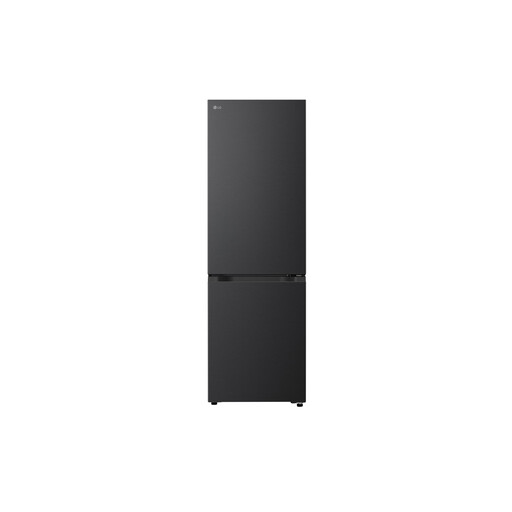
The freestanding GBP62MCNAC can be assessed by looking at its stated capacity, annual energy consumption and dimensions.
- For this model, LG lists a total capacity of 384 l, annual energy consumption of 110 kWh and a noise level of 35 dB(A).
- These are the manufacturer’s specifications, not measurements taken in individual household conditions. At 203 cm tall, it’s worth checking that you have enough space.
Beko
The integrated BCHA275K4SN, with the freezer at the bottom, may be suitable if you already have a matching built-in niche.
- Beko lists appliance dimensions of 177,5 × 54 × 54,5 cm, as well as Semi No Frost and HarvestFresh features.
- The manufacturer’s claims about freshness or vitamin retention aren’t independent evidence of an effect on berries. Check the niche and installation requirements.
Fridge-freezers at Joybuy
This selection includes freestanding and integrated fridge-freezers for households that want to chill berries and make use of a freezer compartment too.
 No image available
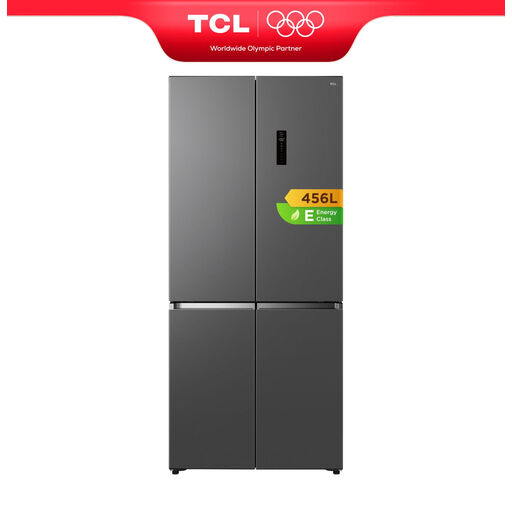
TCL Free Built-In® Series RC593CSE0AM multi-door fridge-freezer
For households that need fridge space, a flexible compartment and freezer space.
456 l total capacity: 312 l fridge compartment, 66 l freezer compartment and a 78 l flexible compartment. Total No Frost; energy rating E.
Joybuy
 No image available
Exquisit KGC5232-60-E-040C inoxlook-az fridge-freezer
For households looking for a freestanding appliance with a vegetable drawer and a compact width.
173 l total usable capacity, including 121 l of fridge space and 52 l of freezer space. Appliance dimensions: 49,5 × 142,5 × 56,0 cm; stated energy consumption: 124 kWh per year.
Joybuy
 No image available
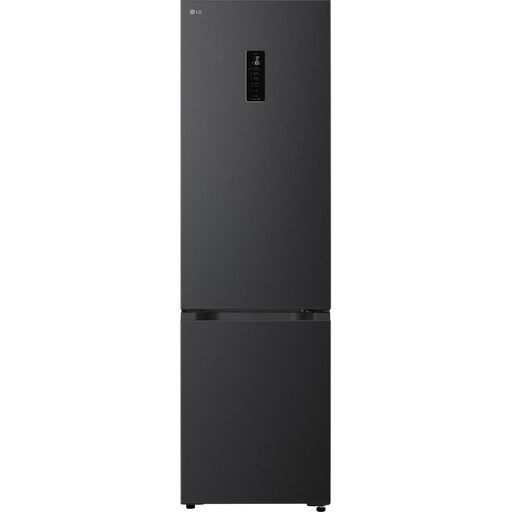
LG GBBS727AEV Fit&Max fridge-freezer
For households looking for a freestanding fridge-freezer with stated fridge and freezer capacities.
375 l total capacity, including 262 l in the fridge and 113 l in the freezer. Energy rating A, 112 kWh per year and Total No Frost. Appliance dimensions: 67,5 × 59,7 × 203 cm.
Joybuy
 No image available
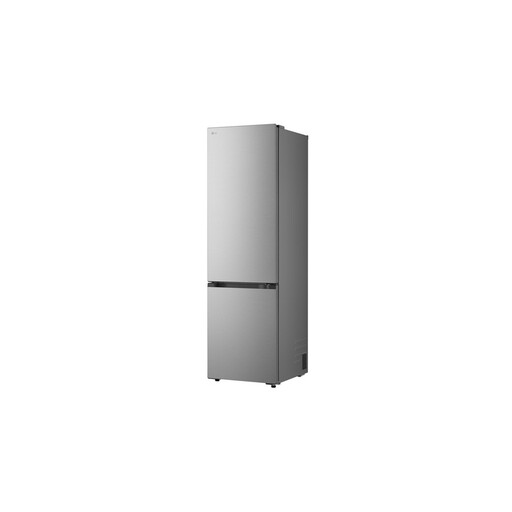
LG GBBSJ2CCPY fridge-freezer, silver
For households comparing freestanding fridge-freezers with a dedicated 0°C zone.
375 l total capacity, including 262 l in the fridge and 113 l in the freezer. Energy rating C, 175 kWh per year and Total No Frost. Appliance dimensions: 597 × 2030 × 674 mm.
Joybuy
 No image available
LG GBBS716AEV fully integrated fridge-freezer, 333 l
For a suitable built-in niche and households that want to factor two vegetable drawers into their choice.
333 l total capacity, including 183 l in the fridge and 113 l in the freezer. Energy rating A and 108 kWh per year; appliance dimensions: 597 × 1860 × 674 mm. According to the product description, installation requires a qualified professional, front ventilation and a side clearance of at least 4 mm.
Joybuy
Frequently asked questions
Should I wash fresh strawberries before dinner?
No. Germany’s Federal Centre for Nutrition recommends keeping strawberries with their stalks and green tops on, unwashed and covered, in a cool place or in the vegetable drawer. Wash them shortly before eating and remove any damaged fruit.
How should I set the fridge temperature and stop berries getting squashed?
The German consumer advice centre suggests 7 °C on the top shelf of the fridge as a guide. Don’t overcrowd the fridge, so air can circulate, and give delicate berries plenty of room in a suitable container.
How can I compare the energy use of different fridges?
Compare the stated annual energy consumption in kWh and the energy label for each specific model. Since 2021, the EU energy label for refrigeration appliances has used a scale from A to G; the figures relate to the label for the individual model.


