
当日/次日达

品质保障

开启新人专享福利: 全场免邮 | 低至 2 折 | 免费试用 30 天 JoyPlus 会员
下载 Joybuy
When you buy fruit juice online, you're looking for convenience, a wide selection, and clear information. However, the online beverage market can be overwhelming. Packaging often promises more than the contents deliver, and terms like "fruit nectar" or "no added sugar" can easily lead to disappointing purchases. This guide will help you avoid the common pitfalls and find the right juices for your household, whether you need a convenient beverage delivery service to stock up for the family or are searching for specialty varieties.
Before you fill your shopping cart, you should be aware of three common marketing traps that often lead to disappointment.
To ensure you get exactly what you expect, you should verify three key aspects before clicking "order juice online."
The most important distinction lies in the product category, which is regulated by law and indicates the quality:
A quick look at the back of the product provides the most reliable information. Pay attention to the order of ingredients—what's listed first is the most abundant. In the nutrition table, look for the "of which sugars" line to determine the total sugar content per 100 ml. This allows you to distinguish a high-sugar nectar from a true sugar-free juice or other low-sugar alternatives.
For regular use or for families, a bulk beverage pack is often the most economical and practical solution. A beverage delivery service saves you the heavy lifting from the supermarket. Pay attention to the package size (e.g., 6x1L or 10x0.2L) to ensure the quantity fits your consumption habits and storage capacity.
Here are some recommendations tailored to different requirements and preferences.
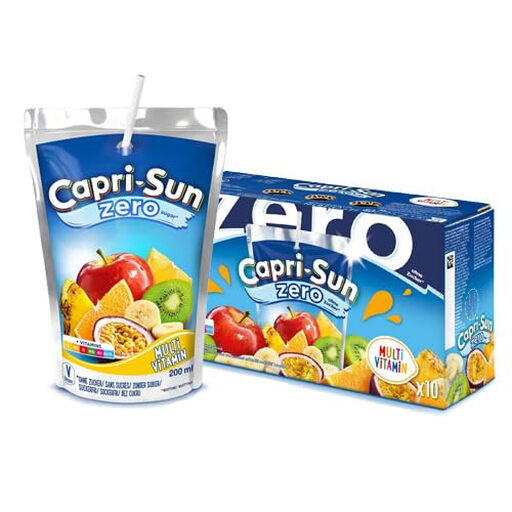
Why This Fits Their Persona: Ideal for parents looking for a convenient, low-sugar option for lunch boxes or on-the-go. The small, durable drink pouches are popular with kids, and the added vitamins offer extra value.
This product avoids the sugar trap with its clear "Sugar-Free" label. It uses sweeteners instead of sugar, drastically reducing the calorie count. It's transparently marketed as a fruit juice drink, not a pure juice.
No added sugar, low-calorie (3 kcal/100ml). Convenient 10-pack, perfect for weekly needs.
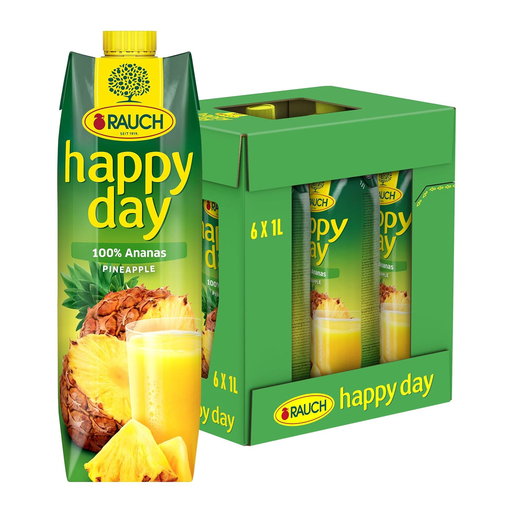
Why This Fits Their Persona: Perfect for purists who appreciate the pure, unadulterated taste of fruit with no additives. Ideal as a breakfast juice, for cooking, or for mixing cocktails.
This product avoids the "100% fruit" illusion by actually delivering 100% fruit content. The ingredient list is minimalist: "100% pineapple juice from pineapple juice concentrate." There are no hidden sugars or flavourings.
Pure fruit juice with 100% fruit content. Free from preservatives and added sugar. The 6-pack bulk buy is ideal for the weekly shop.
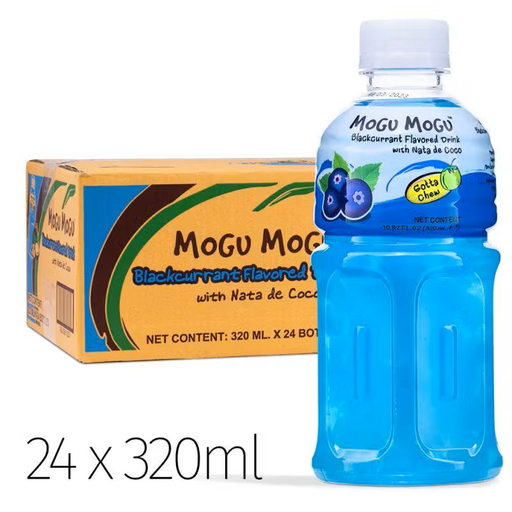
Why This Fits Their Persona: For anyone seeking an extraordinary drinking experience. The Mogu Mogu drink combines fruity flavour with chewy nata de coco pieces (coconut jelly), making it more than just a thirst quencher.
This drink doesn't pretend to be a pure fruit juice. It clearly positions itself as a fun beverage with a unique texture. The description is honest about its composition, so it doesn't create false expectations about the fruit content.
Unique combination of a drink and a "snack" thanks to the jelly pieces. Refreshing, exotic flavour. The large 24-pack case is perfect for parties or for stocking up on something special.
We've compiled a complete, up-to-date list of products that fully meet these strict selection criteria and regulations.
1. What is the exact difference between fruit juice and fruit nectar? A fruit juice must always consist of 100% fruit, either not from concentrate or from concentrate. No sugar may be added. A fruit nectar, on the other hand, has a lower fruit content (25-50% depending on the variety) and may contain water as well as up to 20% sugar or sweeteners.
2. What is the shelf life of juices ordered online? Most juices in cartons (like those from Rauch or Hohes C) can be stored for many months unopened in a cool, dry place. You can find the exact best-before date on the packaging. After opening, juices should be refrigerated and consumed within 3-4 days.
3. Are "no added sugar" juices suitable for a low-sugar diet? Not necessarily. "No added sugar" only means that no table sugar has been mixed in. However, the natural fruit sugar is still fully present. A 100% apple or orange juice can contain about 9-10g of sugar per 100 ml. If you want to specifically reduce your sugar intake, you should opt for products declared as "sugar-free juice" that use sweeteners, or dilute your juice with water.