
当日/次日达

品质保障

开启新人专享福利: 全场免邮 | 低至 2 折 | 免费试用 30 天 JoyPlus 会员
下载 Joybuy
By Joybuy Product Recommendation Officer, July 28, 2026
Fresh udon noodles promise an authentic Japanese dining experience—a thick, chewy texture that perfectly soaks up sauces and broths. But anyone who has tried to buy fresh udon noodles knows that quality can vary dramatically. The difference between a satisfying dish and a disappointing meal often lies in details that aren't immediately obvious on the packaging.
This guide will help you navigate the common pitfalls and make an informed choice that suits your cooking style.
Before you add your next pack of noodles to the cart, be aware of three widespread issues that often lead to an unsatisfying result.
The term "fresh" is not regulated and can be misleading. Some products are merely rehydrated dry noodles or have been treated so heavily with acidity regulators that they have a rubbery, unnatural consistency. Genuine fresh udon noodles are distinguished by a soft, yet elastic and chewy texture, known in Japanese as "koshi."
Not all udon noodles are suitable for every recipe. A noodle that holds its shape and becomes tender in a hot soup might turn mushy and fall apart when stir-fried for Yaki Udon. Conversely, a very firm noodle might remain tough in a light broth and fail to absorb the flavour properly. Choosing the right noodle thickness and firmness is crucial for the success of your dish.
A look at the ingredients is essential. Many vacuum-sealed noodles contain acidity regulators like lactic acid (E270) to extend their shelf life. While this is unproblematic in moderation, an excessive amount can give the noodles a slightly sour aftertaste that interferes with delicate, clear broths and masks the authentic flavour.
To avoid these pitfalls, focus on three objective criteria that will help you find the right noodles for your kitchen.
Traditional udon noodles consist of three basic ingredients: wheat flour, water, and salt. Products that adhere closely to this recipe often offer the most authentic taste. Many pre-cooked udon noodles also contain modified tapioca starch. This ingredient helps preserve the soft texture during storage but can lead to a less chewy consistency if used excessively. A short, simple ingredient list is usually a good sign.
The most common format for shelf-stable fresh noodles is vacuum-sealed packaging. This method effectively preserves the noodles' moisture and texture, allowing for room-temperature storage. These pre-cooked udon noodles are a convenient solution for quick meals, as they only require a few minutes to heat. Pay attention to the manufacturer's instructions for proper preparation—usually, a brief heating in soup or a pan is all that's needed.
The thickness of the noodles is not arbitrary; it determines their ideal use.
Based on these objective criteria, we have compiled a few products for different user profiles. If you're looking to buy Japanese noodles online, these recommendations will help guide your search.
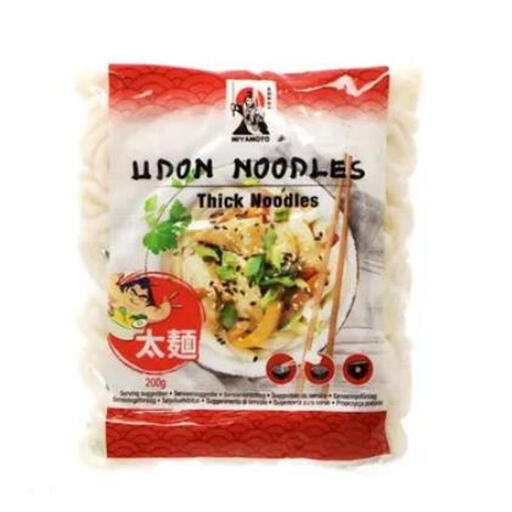
Why This Fits Their Persona: Ideal for home cooks seeking a reliable and quick noodle base for a variety of dishes, from soups to stir-fries. The balanced texture makes them a solid all-rounder.
The vacuum-sealed packaging preserves a good, chewy texture, avoiding the 'rubbery' trap. The texture is robust enough for stir-fries but also tender enough for soups, minimising the problem of choosing the wrong noodle.
Very short preparation time (2–3 minutes); versatile for use in soups, salads, and stir-fries.
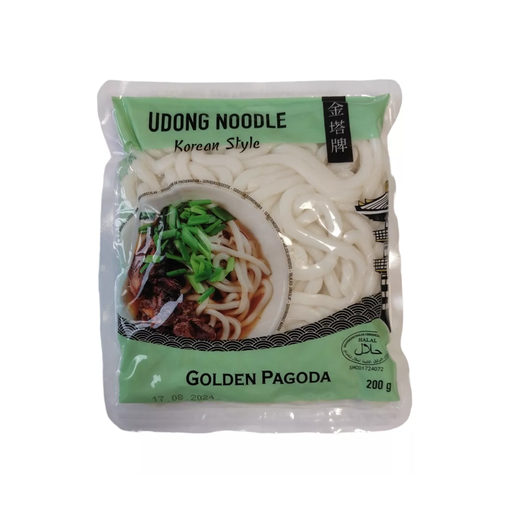
Why This Fits Their Persona: Perfect for those who prefer to enjoy their udon noodles in a rich broth or stew. The texture is designed to soak up liquid while becoming pleasantly soft.
By specialising in soup dishes, it bypasses the 'wrong texture' trap. The mild flavour and moderate use of acidity regulators prevent any distortion of the broth's taste.
Absorbs sauces and broths very well; remains shape-stable even with longer cooking times.
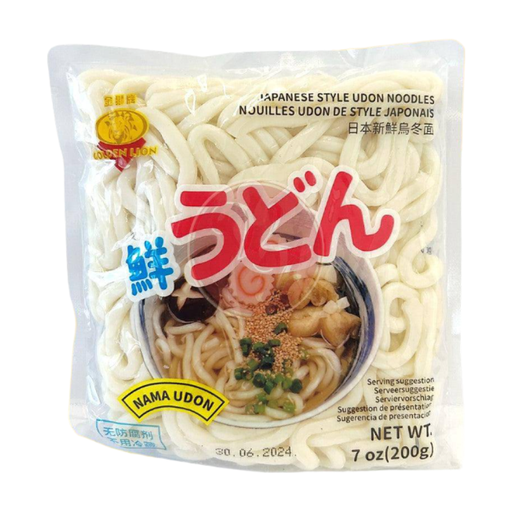
Why This Fits Their Persona: For households that regularly prepare udon noodles and value efficiency and a well-stocked pantry. The bulk pack ensures a high-quality noodle base is always on hand.
Buying a bulk pack of a 'Nama' (fresh) quality product ensures a consistent, authentic texture and avoids repeated purchases of inferior single packs.
Convenient bulk pack with 30 individual portions; authentic 'Nama' quality for a superior texture.
We have compiled a complete, up-to-date list of products that fully meet these strict selection criteria.
Vacuum-sealed fresh udon noodles can typically be stored unopened in a cool, dry place, away from direct sunlight. Refrigeration is usually not necessary. However, once the package is opened, the noodles should be stored in the refrigerator and ideally consumed within 24 hours. Always observe the best-before date printed on the packaging.
Yes, but the process is more about reheating than cooking. Pre-cooked udon noodles are already cooked. They just need to be heated for about 2 to 3 minutes in a boiling liquid (like soup broth or salted water). This warms them, loosens them up, and restores their soft, chewy consistency. Overcooking should be avoided, as they can become mushy.
A high-quality udon noodle is characterised by a specific texture known as 'koshi'. This means that after heating, it is thick, soft, and at the same time has a pleasant, elastic chewiness. It should not fall apart easily when stirred in a pan or soup and should hold its shape even after several minutes in hot broth. A rubbery or mushy consistency is a sign of lower quality.