What matters when buying?
First decide what matters most for your family’s day-to-day needs. These checks will help you choose features accordingly.
Keep using your current fridge
A good fit if: there’s enough free space in the fridge and it keeps food reliably cool.
The trade-off: A freshness compartment doesn’t replace removing damaged berries or eating them promptly. If your appliance is older, it may be worth comparing its energy consumption with newer models.
Fridge without a freezer compartment
A good fit if: you mainly chill fresh ingredients and prepared meals, and have freezer space elsewhere.
The trade-off: You can’t freeze leftover berries in it. If you choose a built-in model, it also needs to fit your kitchen units.
Fridge-freezer with a fruit compartment
A good fit if: you regularly chill fresh food and also want to freeze berries or other items.
The trade-off: The fridge and freezer share the appliance’s capacity, so compare the two compartments separately and check the annual energy consumption.
| Priority |
What to check when buying |
Who is this especially important to? |
| Storing berries carefully |
Check whether there’s an easy-to-reach fruit compartment and what conditions the manufacturer specifies for that particular compartment. |
If I want berries close to hand and stored without being squashed until mealtime, having a suitable compartment matters to me. Around 36% of consumers put careful berry storage first. |
| Fridge space and installation |
Compare the stated fridge capacity and interior layout, as well as the style and external dimensions, with the space available. |
I need enough usable fridge space for ingredients, berries and prepared meals in my day-to-day life. Around 29% of consumers prioritise having enough room for family food supplies. |
| Energy consumption |
For appliances of a suitable size, compare the current energy label and annual consumption in kWh. You can work out the cost using your own electricity rate. |
When choosing an appliance for everyday use, I want to compare its consumption clearly with my electricity rate. Around 21% of consumers focus mainly on running costs. |
| Freezer space |
Check whether you already have freezer space. If not, compare the fridge and freezer capacities separately when looking at fridge-freezers. |
If you won’t eat berries soon, you may want to freeze them and will need suitable freezer space. Around 14% of consumers prioritise freezing leftover berries. |
Fridge-freezers at Joybuy
The Joybuy models below are fridge-freezers with described vegetable compartments or freshness zones for fresh food, plus additional freezer space. These features do not guarantee a particular shelf life for berries.
 No image available
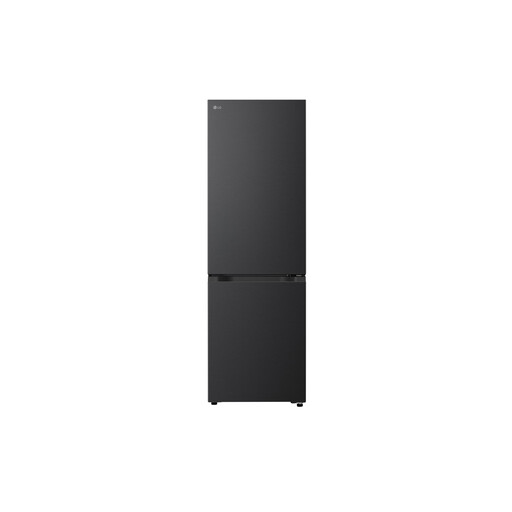
LG GBBS716AEV integrated fridge-freezer
Separate fridge and freezer compartments, along with two vegetable drawers, make this model suitable for fresh food and extra freezer storage.
333 l total capacity; energy efficiency rating A. According to the product description, the FRESHConverter+ 0 °C zone has settings for meat, fish or cheese; it is not specified as a guarantee of berry freshness.
The description states that installation must be carried out by a qualified professional. A minimum side clearance of 4 mm is specified for the door to operate.
View at Joybuy
 No image available
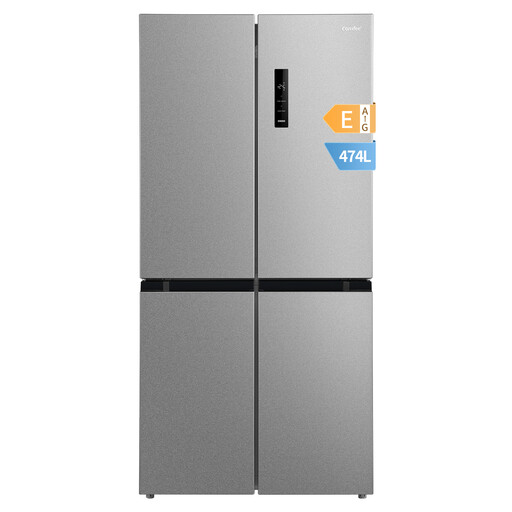
COMFEE' RCF470LS2EU(E) four-door fridge-freezer
Separate fridge and freezer compartments, plus a vegetable drawer with three temperature settings, offer different ways to store fresh and frozen food.
474 l total capacity; energy efficiency rating E. The product description also mentions a Vario-Box system.
View at Joybuy
 No image available
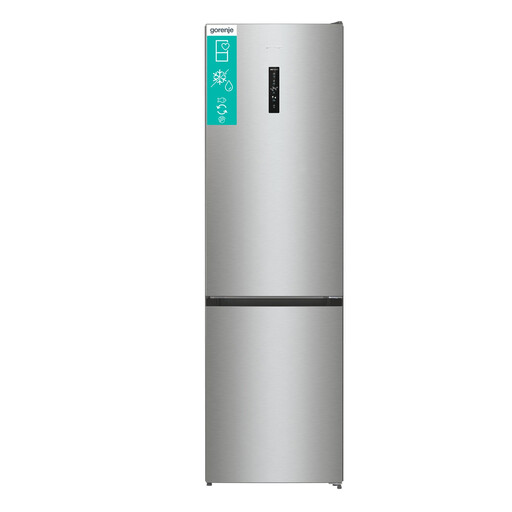
Gorenje NRK620CA2XL4 freestanding fridge-freezer
The CrispZone with humidity control and the freezer compartment provide separate options for storing fresh and frozen food.
331 l total capacity; energy efficiency rating C. According to the product description, the Convert FreshZone can be set up for either meat and fish or fruit and vegetables. The door is reversible.
View at Joybuy
 No image available
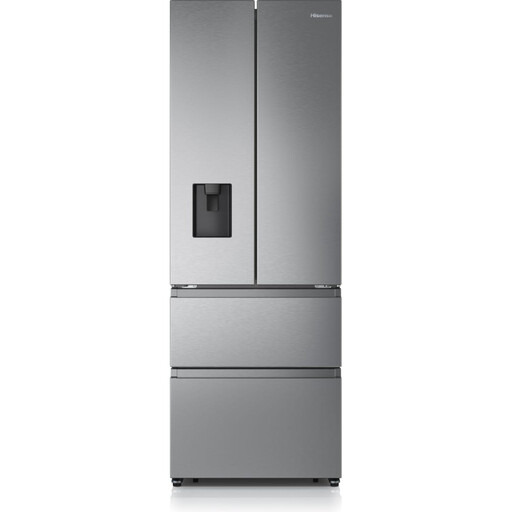
Hisense RF632N4WIE French door fridge-freezer
The separately listed fridge and freezer compartments make it easier to work out how much room there is for fresh and frozen family food.
336 l fridge compartment and 149 l freezer compartment; energy efficiency rating E. The CrispZone is described as having humidity control. Annual consumption is listed as 295 kWh.
View at Joybuy
 No image available
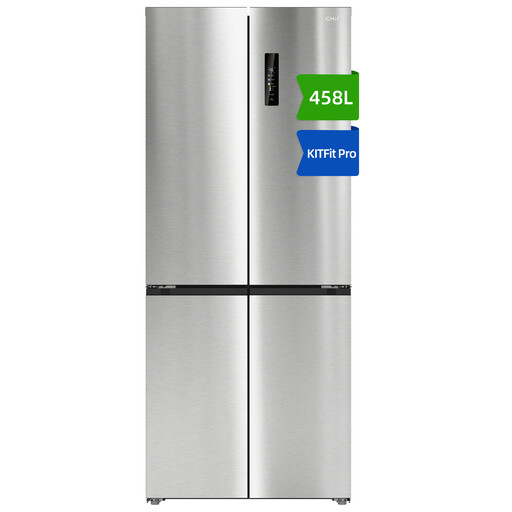
CHiQ JR460WSE cross-door fridge-freezer
Two vegetable drawers and separately listed fridge and freezer compartments help you organise fresh and frozen food separately.
300 l fridge compartment and 158 l freezer compartment; energy efficiency rating E. A side clearance of 4 mm is specified for the described True-Flush installation.
View at Joybuy
Frequently asked questions
Do I need a zero-degree zone for berries for a family meal?
No, not just for a single family meal if your current fridge has enough space and keeps food reliably cool. The German Federal Centre for Nutrition recommends eating strawberries as soon as possible. One to two days in the fridge is a guide, not a guarantee. You should remove any damaged fruit.
How should I store and wash strawberries before eating them?
Remove any damaged or mushy strawberries and keep the sound fruit chilled and unwashed. Wash them just before eating. The German Federal Centre for Nutrition recommends eating strawberries as soon as possible. Don’t assume visibly mouldy food is safe just because you’ve cut off the affected area: the German Federal Institute for Risk Assessment points out that moulds can produce toxins.
What should I check before installing a new fridge?
Check that the appliance style and external dimensions suit the space available, and compare the fridge and freezer capacities separately. The German consumer advice centre gives 7 °C on the top shelf as a guide for the temperature setting. Check that the fridge is cooling properly once it’s up and running, rather than relying on the dial setting alone.
How do I compare the energy consumption of different fridges?
Compare the annual consumption in kWh on the current EU energy label for appliances of a similar size, and calculate the cost using your own electricity rate. The German consumer advice centre recommends checking the specific consumption figure, so you can compare models based on your own energy costs.
Which energy label applies to fridges and freezers?
Fridges and freezers use the EU A to G scale, introduced in March 2021 according to the German Environment Agency. Compare the annual consumption in kWh as well as the rating; older A+ labels are not part of the current scale.


