What to look for when buying
First, decide whether your household needs freezer space. Then consider how practical the fruit and vegetable drawer is, whether the dimensions will fit and how much energy the fridge uses each year.
| Buying priority |
What to look for |
Who it matters most to |
| Store berries carefully |
Check the size and accessibility of the fruit and vegetable drawer, and make sure there’s room for shallow containers that can be filled without squashing the fruit. |
If I’m preparing berries for several lunchboxes, I want to keep them organised in the drawer without putting them under unnecessary pressure. Around 36% of consumers are likely to prioritise careful storage for delicate berries. |
| Get to things quickly every day |
Check the fridge capacity, compartment layout and external dimensions against your usual shopping and available space. |
If I’m putting away berries and other ingredients on weekdays, a layout that keeps frequently used food within easy reach is helpful. Around 29% of consumers are likely to prioritise quick, easy-to-see access. |
| Balance size and energy use |
Compare the fridge capacity and annual kWh on the energy label, and choose a size that suits your household’s needs. |
If my household mainly stores fresh food, I don’t want to pay for space I don’t need, and I want to be able to compare energy use. Around 21% of consumers are likely to consider the right size and ongoing electricity costs especially important. |
| Allow for extra freezer space |
Decide whether you need a freezer compartment; for fridge-freezers, check the fridge and freezer capacities separately. |
If I need to store frozen food as well as fresh berries, I want to know whether both compartments offer enough space. Around 14% of consumers are likely to prioritise extra freezer space. |
Joybuy products on this topic
The Joybuy products below include fridge-freezers and fridges without a freezer compartment. The key question is whether your household needs extra freezer space or mainly needs room for chilled food.
 No image available
LG GBBS727AEV Fit&Max fridge-freezer, 375 l, energy efficiency class A, black
This fridge-freezer is a good choice if your household needs space for frozen food as well as fresh berries.
Total capacity: 375 l. Energy efficiency class A.
View at Joybuy
 No image available
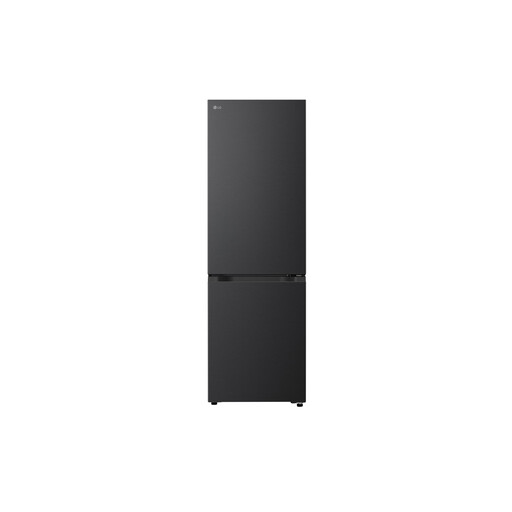
LG GBBS716AEV fridge-freezer, 333 l, energy efficiency class A
This fridge-freezer is worth considering if you want to store fresh food and frozen supplies in one appliance.
Total capacity: 333 l. Energy efficiency class A. The product name specifies a FRESHConverter+ 0 °C zone.
View at Joybuy
 No image available
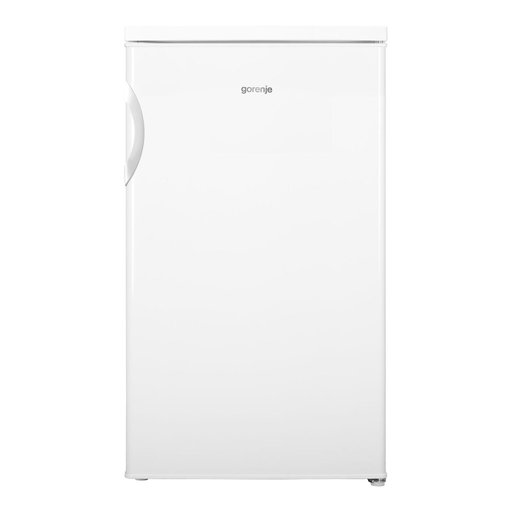
Gorenje G200 R49DPW single-door fridge, 133 l, energy efficiency class D
This fridge without a freezer compartment is a good fit if you need space for fresh food but don’t need extra freezer space.
Capacity: 133 l. Energy efficiency class D. CrispZone is specified in the product name.
View at Joybuy
 No image available
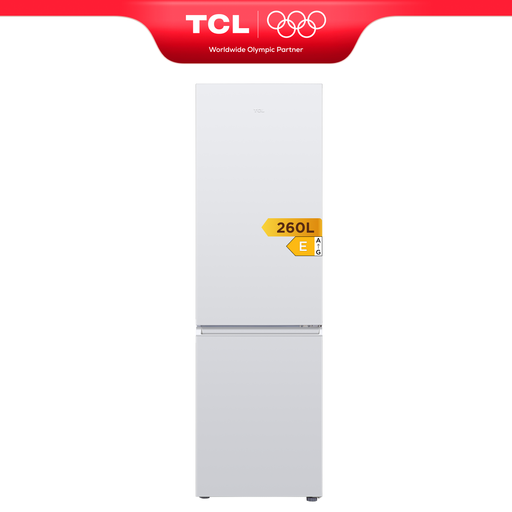
TCL RF338BWE0DE fridge-freezer, 260 l, energy efficiency class E
This fridge-freezer is a good option if you need a separate freezer compartment as well as space for chilled food.
Total capacity: 260 l; fridge compartment: 187 l; freezer compartment: 73 l. The product name specifies a width of 55 cm and a Fresh Zone. Energy efficiency class E.
View at Joybuy
 No image available
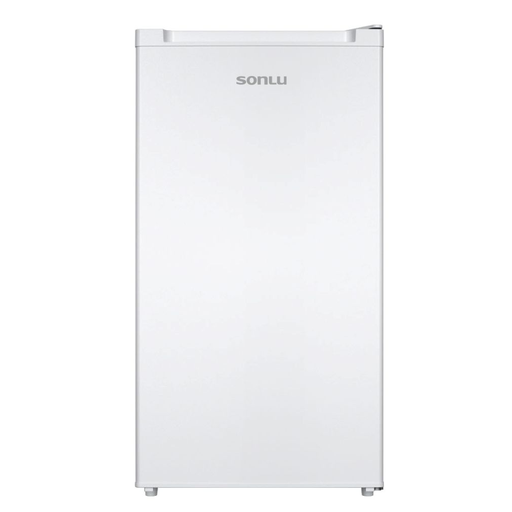
Sonlu CS-100L single-door fridge, 82 l, energy efficiency class E
This fridge without a freezer compartment could suit you if you need a compact space for berries and other chilled food.
Capacity: 82 l. Energy efficiency class E.
View at Joybuy
Frequently asked questions
Where should I store fresh berries before putting them in a lunchbox?
Put berries in the fruit and vegetable drawer and handle them as gently as possible. Germany’s Federal Centre for Nutrition recommends keeping blackberries, strawberries, blueberries and raspberries, among other fruit, in this drawer. Check the fruit and eat delicate varieties promptly; how long they keep also depends on the type of berry and its condition when you bought it.
Will the fridge keep my lunchbox cool when I’m out and about?
No. Once you take it out of the fridge, the temperature of your lunchbox depends on how you store it during your journey and lunch break. Germany’s Federal Institute for Risk Assessment points out that unsuitable temperatures during transport and storage can allow harmful germs to survive and multiply. Make sure you have a suitable way to keep ingredients that need to stay chilled cool.
What should I check before installing a fridge?
Check the external dimensions of the specific model against the space available and the route into your home, and make sure its usable capacity suits the food you store. Follow the appliance instructions for installation and ventilation, as the required clearances vary by model.
How can I compare energy use before buying?
Compare the annual consumption in kWh shown on the EU energy label, ideally between appliances with a similar function and capacity. For a simple comparison, multiply the figure by your electricity price per kWh. Actual household consumption may differ.
Which energy label applies to new household fridges?
Household fridges covered by EU regulations use the EU energy label, with a scale from A to G. According to the European Commission, this scale has been in use since 1 March 2021. The label includes details such as annual energy consumption and fridge and freezer capacities.


