
Lieferung heute & morgen

Qualitätsgarantie

Willkommens-Angebote freischalten: KOSTENLOSE Lieferung | Bis zu 80 % RABATT | Kostenlose 30-Tage-JoyPlus-Testphase
App herunterladen
A fridge is one of the appliances that runs every day. The wrong choice can therefore affect not only your kitchen layout, but also your electricity costs, storage space and ease of use. Three purchasing pitfalls in particular often lead to unnecessary expense:
The right size depends on the number of people in your household, your shopping habits and the space available. For one person or an office, a mini fridge with a capacity of 45 to 92 litres may be sufficient. An under-counter fridge with around 88 litres is suitable for small kitchens, bedrooms or studio flats.
Families generally need considerably more usable capacity. A fridge with freezer compartment is practical if frozen food and ice supplies are needed regularly. With larger appliances, shoppers should look beyond the total capacity and consider how the fridge and freezer compartments are divided. A French-door fridge, multi-door fridge or side-by-side fridge often provides several drawers and doors, but also requires a correspondingly large amount of floor space.
Also check whether the shelves are height-adjustable and whether large bottles, pans or food-storage containers will fit inside. A generous litre capacity is of little use if the interior is poorly laid out.
Alongside the efficiency class, the EU energy label shows the annual consumption in kWh and the noise emission in dB(A). A low noise level is particularly important for open-plan kitchens, offices or bedrooms. The noise-emission class can provide additional guidance alongside the decibel rating.
An energy-efficient fridge should suit the way you use it. A large appliance with low consumption per litre may be more practical than a small model that is constantly overfilled. The location also affects energy consumption. Direct sunlight, radiators and insufficient clearance from the wall make it harder for the appliance to release heat.
Make sure there is adequate ventilation clearance in accordance with the operating instructions. Keeping the door seal clean, opening the door as infrequently as possible and allowing hot food to cool before putting it away all help ensure normal operation.
A no-frost fridge prevents ice from forming in the freezer compartment through circulating air and automatic defrosting. This usually eliminates the need for manual defrosting. However, the system does not replace cleaning the interior, door seals and, where applicable, the water or ice dispenser.
With a fridge with water dispenser, check before buying whether it requires a water tank or a fixed water connection. Filters, the dispensing area and the drip tray need regular care. Smart-home features such as app control, temperature alerts or diagnostics are additional functions and should not overshadow the basic criteria of dimensions, consumption and layout.
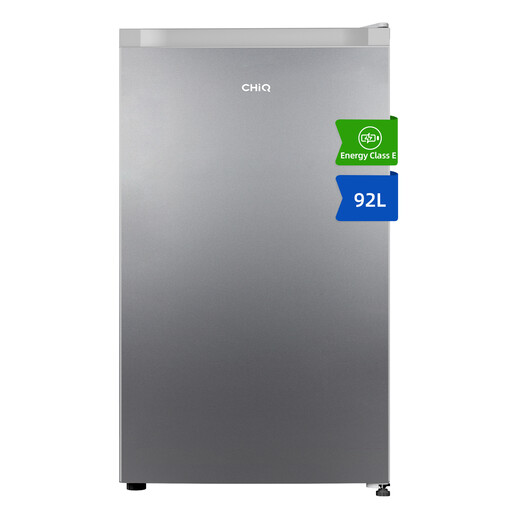
Why this product suits the profile: This 92-litre appliance is 47 cm wide and is suitable for small kitchens, offices or student accommodation.
The slim design makes it easier to plan the installation space. A reversible door accommodates different room layouts; the E energy-efficiency class and stated consumption should be factored into running costs.
92 litres of usable capacity, seven temperature settings, adjustable glass shelves and a separate cooling drawer.
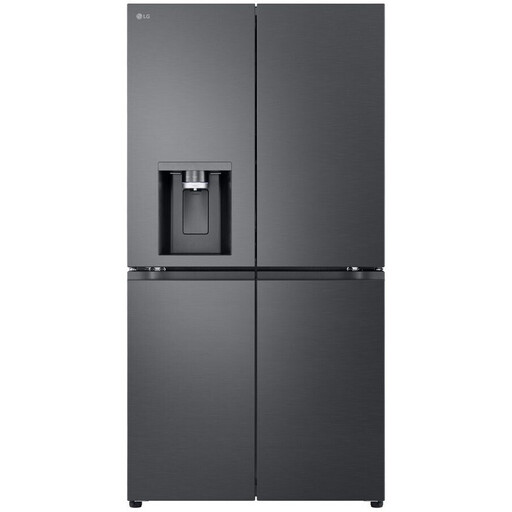
Why this product suits the profile: This multi-door model is designed for large households with substantial refrigeration and freezing needs, as well as sufficient installation space.
The technical specifications state a total capacity of 645 litres, annual consumption of 230 kWh, a noise level of 34 dB(A) and automatic no-frost defrosting. This makes it easier to compare space requirements, consumption and noise levels before buying.
384 litres of fridge space, 261 litres of freezer space, an ice and water dispenser, plus ThinQ app compatibility.
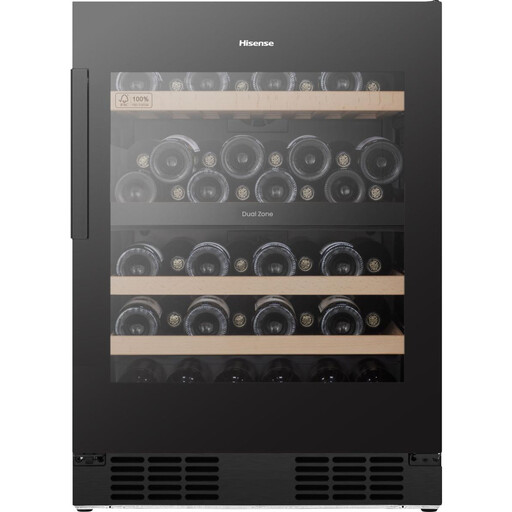
Why this product suits the profile: Wine lovers get a dedicated wine cooler with two temperature zones for different storage requirements.
The specifications state two zones, each adjustable from 5 to 20 °C, a UV-protective glass door and an activated carbon filter. The appliance is intended for indoor spaces within the stated climate class, not for unheated outdoor areas.
Capacity for around 46 bottles, app control, LED display, pull-out shelves and a noise level of 37 dB(A).
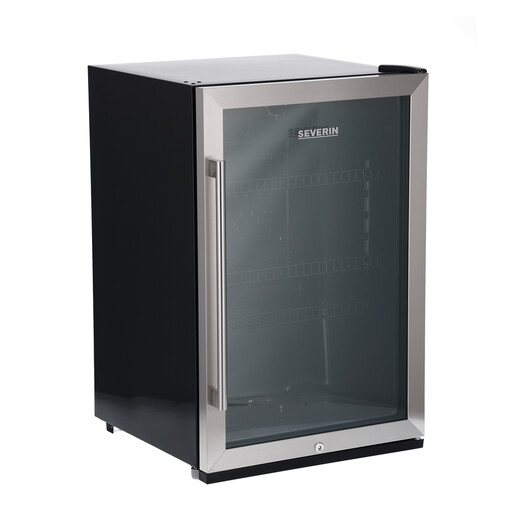
Why this product suits the profile: This drinks fridge with glass door is designed for beverages that are stored visibly in offices, homes or commercial settings.
The temperature can be set from 0 to 10 °C. A lockable door and partially height-adjustable metal shelves are practical for shared spaces.
118-litre capacity, room for up to 56 0.33-litre bottles and switchable LED interior lighting.
We have put together a complete, regularly updated list of products that fully meet these strict selection criteria and the safety regulations applicable in the EU.
Before plugging it in, a fridge should be left upright for several hours after transport. The exact period depends on the manufacturer’s instructions. Position the appliance level and observe the specified ventilation clearances. The door seal should be kept clean and undamaged.
A fridge can be used for many years if it is not overfilled, heat can dissipate properly and maintenance instructions are followed. If you notice unusual noises, a damaged cable or visible damage to the refrigerant circuit, disconnect the appliance from the mains and contact an authorised service centre. Old appliances must be disposed of as waste electrical and electronic equipment in accordance with local requirements.
This depends on how often you shop and how much food you store. For single people or as an additional appliance, 45 to 100 litres may be sufficient. Couples and small families often need more fridge space. For larger households, it is also useful to consider fridge and freezer capacity separately.
Annual electricity costs are calculated by multiplying the stated consumption in kWh by your electricity tariff. An appliance with annual consumption of 200 kWh costs around 70 euros per year at a tariff of 0.35 euros per kWh. Actual consumption depends on factors including the location, room temperature and how the appliance is used.
No. No Frost reduces or prevents the need for manual defrosting in the relevant compartment. The interior, door seals, ventilation openings, and water and ice dispensers still need to be cleaned regularly and maintained according to the manufacturer’s instructions.