
Lieferung heute & morgen

Qualitätsgarantie

Willkommens-Angebote freischalten: KOSTENLOSE Lieferung | Bis zu 80 % RABATT | Kostenlose 30-Tage-JoyPlus-Testphase
App herunterladen
A fridge is one of those appliances that runs every single day. Yet when it comes to buying one, most people only look at the price or the capacity. That can lead to unnecessarily high electricity bills, inconvenient door hinges, or simply not enough storage space. Whether you’re after a fridge for a small kitchen, a second appliance or a fridge-freezer combination, it’s well worth taking a closer look at the technical specifications.
A fridge with a narrow width might fit into a niche, but that doesn’t automatically mean it offers enough usable capacity. What really matters is the internal layout, the number of shelves and the size of the salad crisper. With a fridge-freezer combination, you should also check how much of the total volume is actually allocated to the fridge and freezer sections.
You also need to consider the necessary clearance from the wall and adjacent furniture. The measurements given in the product description usually refer to the appliance itself, not the extra space required for ventilation and door opening.
Noise levels should be stated as a dB(A) value. Models rated between 38 and 40 dB can be suitable for open-plan kitchens, bedrooms or workspaces, but how noisy it actually feels also depends on the floor, where it’s positioned and the operating cycles. A fridge must not be placed directly against furniture and should stand level to reduce vibrations.
A fridge with an energy efficiency class of E can be a perfectly suitable choice for many households. However, what really matters for running costs is the stated annual energy consumption in kWh. A larger appliance with a similar efficiency rating may use more electricity than a smaller fridge. So always compare:
You can roughly calculate the annual electricity costs: annual consumption in kWh × your individual electricity price per kWh.
For a single person, an office or a guest room, a mini fridge, table-top fridge or under-counter fridge with around 45 to 100 litres may be sufficient. A small fridge takes up little floor space but often only has a small freezer compartment or none at all.
Couples and small households often benefit from 150 to 230 litres. If you cook with fresh ingredients regularly or like to stock up, look for adjustable glass shelves, a generously sized salad crisper and door compartments for bottles. For families or those who buy in bulk, appliances from around 400 litres upwards are worth considering.
A fridge with a freezer compartment is ideal for ice cubes and smaller amounts of frozen food. With a fridge-freezer combination, the fridge and freezer volumes are listed separately. A 4-star freezer compartment is designed for longer-term storage of frozen food, whereas the small freezer sections in table-top fridges offer more limited space.
Low Frost systems can reduce ice build-up. Total No Frost systems, according to the product description, eliminate the need for manual defrosting in the relevant sections. With a manual freezer compartment, regular defrosting will still be necessary.
A reversible door makes it easier to adapt the fridge to your kitchen layout. Even so, check that the door hinge can actually be fitted in the direction you want and that there’s enough clearance for it to open.
The fridge should stand on a stable, level surface. Ventilation openings must not be blocked. Hot food should be allowed to cool down before being put inside. For maintenance and cleaning, disconnect the appliance from the mains. Also pay attention to the manufacturer’s instructions regarding refrigerant, earthing and disposal.
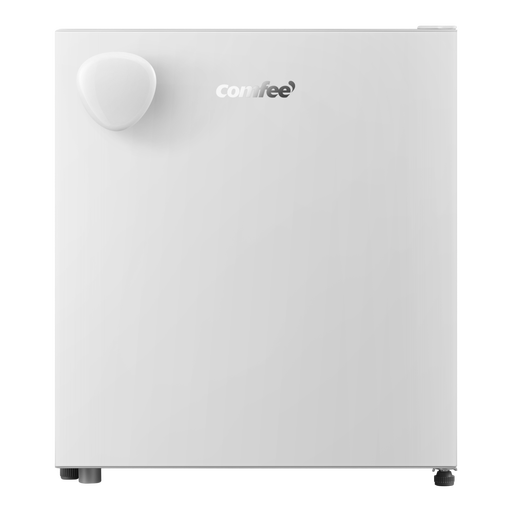
Why this product fits the profile: The 43-litre mini fridge is designed for single people, students, offices or a guest room. At 44.5 cm wide, it can be placed in narrow spaces.
The three temperature settings, height-adjustable shelves and separate cooling compartment make the internal layout more practical than a simple drinks fridge.
43 litres usable capacity, removable handle, energy efficiency class E and a stated annual consumption of 110 kWh.
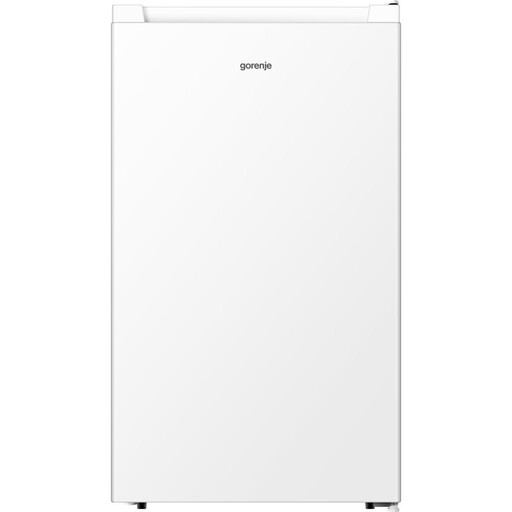
Why this product fits the profile: This compact appliance combines 75 litres of fridge space with a 7-litre freezer compartment, making it ideal for small flats, apartments or as a second fridge.
The stated dimensions of 84.2 × 47.5 × 44.8 cm and a noise level of 38 dB make planning for limited spaces much easier.
4-star freezer compartment, LED interior lighting, reversible door hinge and energy efficiency class E.
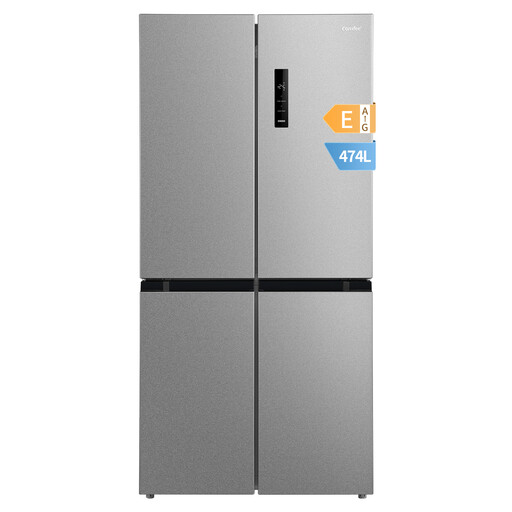
Why this product fits the profile: With 474 litres, this appliance is aimed at larger households and anyone who wants to keep plenty of fresh and frozen food stored separately.
The four doors allow separate access to different sections. The external controls reduce the need to open the door just to adjust the temperature.
Vario Box, salad crisper with three temperature settings and freezer drawers that can be combined for larger packs.
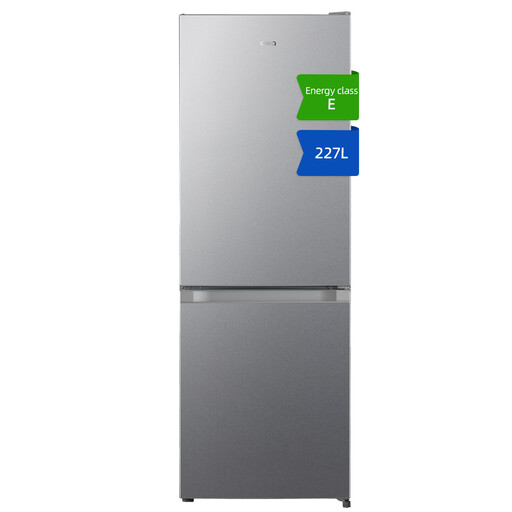
Why this product fits the profile: At 54 cm wide, this combination offers 153 litres of fridge space and 74 litres of freezer volume, making it a good fit for many compact kitchen layouts.
The separate volume figures show exactly how much space is available for fresh and frozen food. Low Frost can help reduce the effort of defrosting.
39 dB operating noise, 4-star freezing, adjustable glass shelves, LED lighting and reversible door hinge.
We’ve put together a full, regularly updated list of products that fully meet these strict selection criteria and the safety regulations in force across the EU.
For one person, 80 to 150 litres can be enough if you shop regularly. If you like to stock up or need a freezer compartment, you should allow for more volume. A mini fridge with 43 to 46 litres is better suited to drinks, snacks and limited amounts of food.
For open-plan kitchens, offices and bedrooms, models with a stated noise level of around 38 to 41 dB are often more practical. Where you place the fridge affects the noise: an uneven floor, contact with the wall or loose items can all cause extra vibrations.
It’s not possible to give a fixed lifespan for every model. It depends on factors such as usage, ambient temperature, cleaning, door seals and maintenance. Good ventilation, regularly cleaning the seals and avoiding unnecessarily long door openings all help to keep it running properly. For specific warranty or service cover, always refer to the individual manufacturer’s information.