Families who want to serve fresh radishes
If you want your radishes to stay crisp until mealtime, first check how they fit in your existing salad drawer. The BZfE recommends keeping the bulbs without their leaves in an airtight container.


For radishes to serve at a family meal, a working fridge is usually all you need. The Federal Centre for Nutrition (BZfE) recommends storing the bulbs without their leaves in an airtight container in the salad drawer, where they will keep for up to five days. A new appliance is worth considering if the fridge space, design or energy consumption no longer suits your household. Compare usable fridge capacity, the features of the salad drawer and annual energy consumption.
If you want your radishes to stay crisp until mealtime, first check how they fit in your existing salad drawer. The BZfE recommends keeping the bulbs without their leaves in an airtight container.
If you need room for other fresh ingredients and prepared dishes as well as radishes, look at the usable fridge capacity and how the compartments are arranged. The consumer advice centre also recommends choosing an appliance size that meets your actual needs.
If you need a new fridge anyway, design, fridge and freezer capacity, and stated annual energy consumption are all important points to compare. The consumer advice centre recommends comparing appliances of a suitable size and their energy consumption.
A good fit if: The appliance cools reliably and the salad drawer and space for prepared dishes are sufficient.
Consider: If your appliance is older, it may be worth comparing its actual energy consumption with that of suitable new models.
A good fit if: You don’t need an integrated freezer and want to prioritise fridge space for fresh food.
Consider: You’ll need a separate solution for frozen food.
A good fit if: Your household regularly needs freezer space as well as a salad drawer.
Consider: Check fridge and freezer capacity separately, as the freezer takes up part of the appliance’s total space.
A good fit if: You want the appliance to fit into an existing kitchen unit.
Consider: The dimensions of the housing space and the door mounting must suit the specific model you choose.
| What matters | What to check when buying | Who is it important to? |
|---|---|---|
| Keeping radishes fresh | Check the existing salad drawer and whether there’s room for a sealed container; with a new appliance, look at the compartment specifically designed for vegetables. | If I want my radishes to stay crisp until mealtime, the right storage comes first. Around 36% of consumers mainly look for ways to keep food fresh. |
| Fridge space for food | Compare fridge and freezer capacity separately, and consider how much you buy and how much room you need for containers. | If you need to store other fresh ingredients and prepared dishes as well as radishes, you’ll need enough usable fridge space. Around 29% of consumers prioritise fridge space. |
| Ongoing electricity consumption | Compare annual energy consumption in kWh, the current energy rating and suitable appliance sizes; measuring the consumption of a working older appliance can also help. | If I need to replace an appliance anyway, I want to take its energy consumption over time into account. Around 21% of consumers prioritise ongoing running costs. |
| Positioning and design | Check the space available, the delivery route and the door opening; for built-in appliances, also check the housing dimensions and door mounting against the specific model. | If you have a fixed space or built-in housing to work with, check the dimensions before choosing. Around 14% of consumers mainly look for an appliance that suits their space and layout. |
For radishes, the BZfE recommends a storage method using a standard salad drawer. There’s no evidence that a special freshness feature is needed for this occasion.
First check that your existing appliance cools reliably and has room for a sealed container. Choose a new fridge based on your whole household’s needs.
Manufacturers describe a range of freshness and humidity-controlled compartments. This doesn’t prove that radishes will keep for a specific length of time.
Check the compartment designed for vegetables in the model you’re considering, and prepare and store your radishes as recommended by the BZfE.
Total capacity doesn’t show how much space is allocated to the fridge and freezer. The size of the appliance and its absolute annual energy consumption also matter when comparing models.
Check fridge and freezer capacity separately, and compare consumption in kWh per year across appliances of a suitable size.
The BZfE points out that radishes can turn mushy when defrosted.
Store radishes for eating raw in the salad drawer, not the freezer.
Freestanding fridge-freezers such as the KGN39VIBT are aimed at households that need fridge and freezer space in one appliance.
The range includes freestanding fridges with freshness compartments and built-in models to suit different kitchen layouts.
The RB38C7AGWS9/EF fridge-freezer is an example of a model with a drawer designed for fruit and vegetables.
The B7RCNE408HG freestanding fridge-freezer is an example of an appliance with a freezer compartment and HarvestFresh.
The KFN 4795 AD fridge-freezer is a model with a DailyFresh drawer and NoFrost.
The Joybuy models below include fridges without a freezer compartment, as well as freestanding and built-in fridge-freezers. Compare the design and stated capacity with your household’s needs.
 No image available
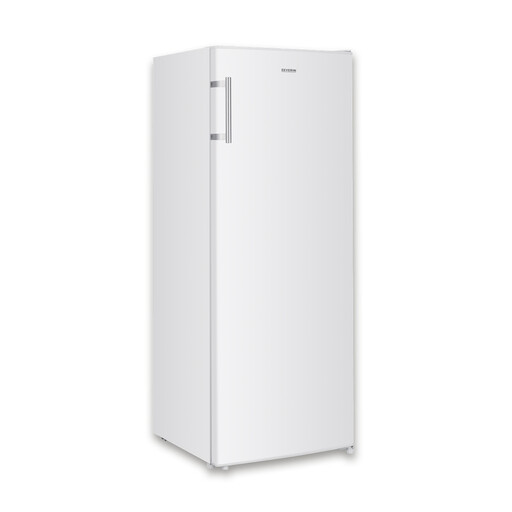
An option if you’re looking for a fridge without an integrated freezer compartment.
242 l; energy rating D; 83 kWh/year; height 143 cm; adjustable shelves and salad drawer.
 No image available
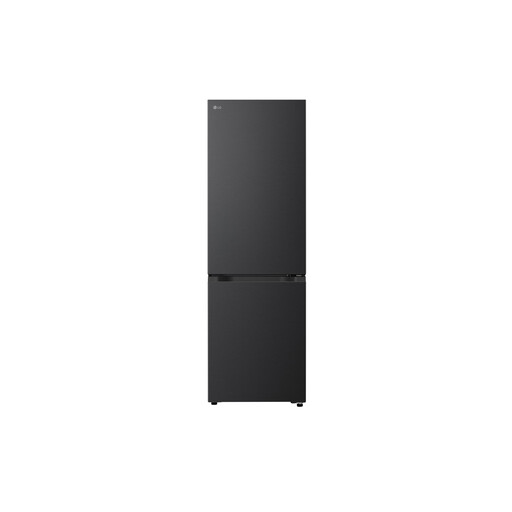
A built-in fridge-freezer for households that need both compartments in one appliance; make sure it’s suitable for your particular kitchen.
333 l total capacity; energy rating A; FRESHConverter+ 0 °C zone; DoorCooling+; LinearCooling; 29 dB; ThinQ Wi-Fi.
 No image available
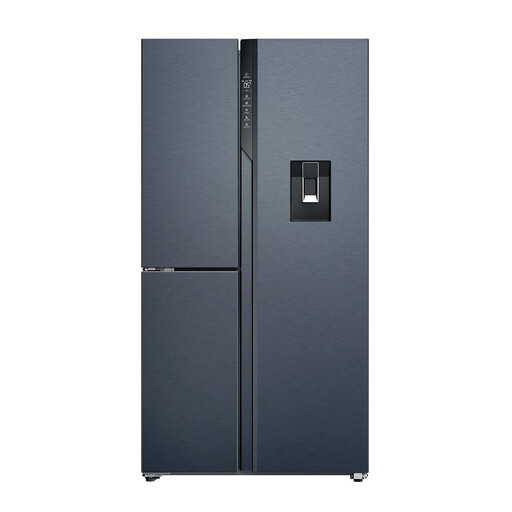
A freestanding Side-by-Side fridge-freezer for households that want to use fridge and freezer space together.
No Frost; energy rating E; LED lighting; brushed black finish.
 No image available
A fridge-freezer with a salad drawer if you want to store fresh ingredients and frozen food in one appliance.
262 l; Low Frost; 70/30 split; 54 cm wide and 176 cm high.
According to the product description, the freezer compartment needs to be manually defrosted around once or twice a year.
 No image available
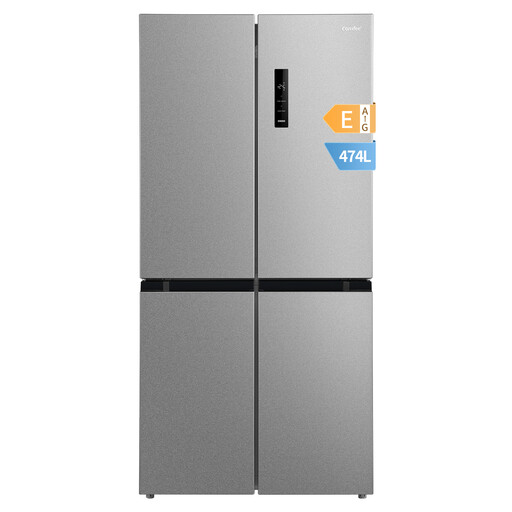
A fridge-freezer with a separate salad drawer for households that want to keep different types of food in separate compartments.
474 l; energy rating E; salad drawer with three temperature settings; four doors; Vario Box.
Remove the leaves and put the bulbs in an airtight container in the salad drawer. The BZfE says they will keep for up to five days this way, but recommends using them promptly for the freshest quality.
You won’t normally need to buy a new fridge just for this occasion, as long as your existing one cools reliably and the salad drawer has enough space. Base any replacement on your whole household’s needs.
Compare the stated annual energy consumption in kWh for appliances of a suitable size, then multiply the figure by your electricity price per kWh to calculate an estimated cost comparison. Actual costs depend on how you use the appliance; if your current fridge is working, measuring its energy consumption can help you decide whether to replace it.
No. Freezing isn’t suitable if you want crisp radishes to eat raw. The BZfE points out that this water-rich vegetable can turn mushy when defrosted, so store it in the salad drawer instead.
Check the housing dimensions and door mounting against the specifications for the specific model. For example, Liebherr lists a housing height of 177.2–178.8 cm and fixed-door mounting for the IRBd 5120; these specifications don’t apply to other models.
No. The current EU energy label for fridges uses a scale from A to G, with no plus signs. Older ratings such as A+++ are not current ratings for new appliances.