What to consider when choosing
Plan for fridge storage and keeping food chilled after you take it out as two separate steps. Then you can match the available space and fridge capacity to the actual packs and lunchboxes you use.
| Shopping priority |
What to check |
Who is this important to? |
| Storing cream safely |
Check the temperature at the intended storage spot and follow the instructions on the packaging. Make room for a sealed pack. |
If I store opened cream for prepared meals, getting the cooling right is my main concern; around 33% of consumers prioritise this. |
| Space and fridge capacity |
Measure the available space and door swing. Check that the fridge capacity and shelves can accommodate your cream carton and lunchboxes. |
If you prepare several portions and have a small kitchen, you need a fridge that can fit everything and fit into its allocated space; around 27% of consumers prioritise these space and capacity needs. |
| Keeping food chilled while you’re out |
Check whether there’s a fridge at your destination and how to keep a meal that needs chilling cold until you eat it. |
If my lunch contains cream, I want to plan how to keep it chilled after leaving home; around 20% of consumers prioritise keeping lunch chilled until midday. |
| Purchase and energy costs |
Compare the annual consumption in kWh of models with enough capacity for your needs. Factor in your own electricity tariff. |
For consumers weighing up the purchase price and ongoing electricity use together, both figures matter; around 20% base their choice primarily on these overall costs. |
Compact fridges at Joybuy
These fridges without a freezer compartment are options for keeping cream and prepared meals chilled. Check that their capacity suits your available space and the containers you use.
 No image available
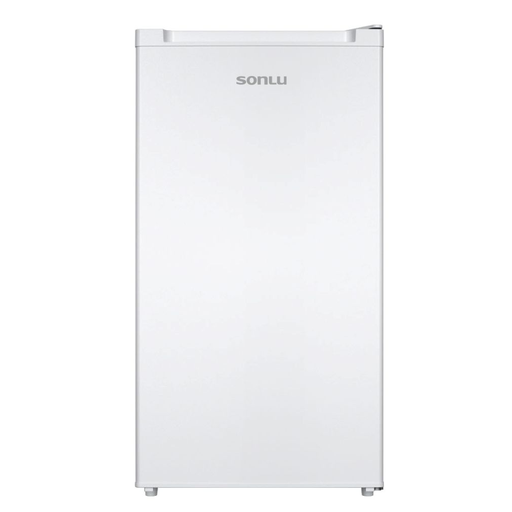
Sonlu CS-100L fridge, 82 l
A compact option if you want to chill cream and a limited number of prepared meals.
82 l; single door; energy efficiency class E.
View at Joybuy
 No image available
TCL RF120DWE0 fridge with chiller compartment, 90 l
A compact option if you want to chill prepared meals as well as cream.
90 l; chiller compartment; energy efficiency class E.
View at Joybuy
 No image available
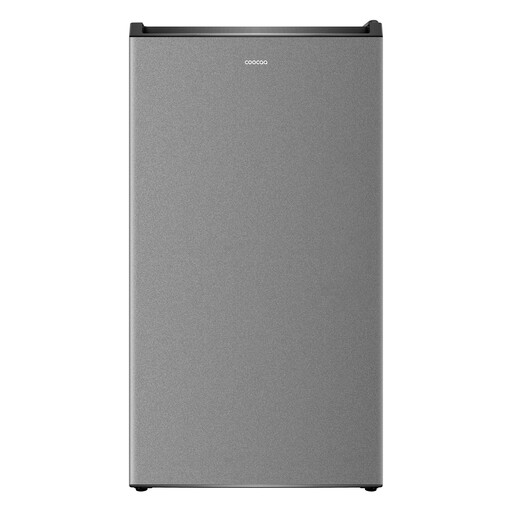
Coocaa SRS-120DTE fridge, 83 l
A compact option for keeping cream and prepared portions chilled.
83 l; single door; energy efficiency class E.
View at Joybuy
 No image available
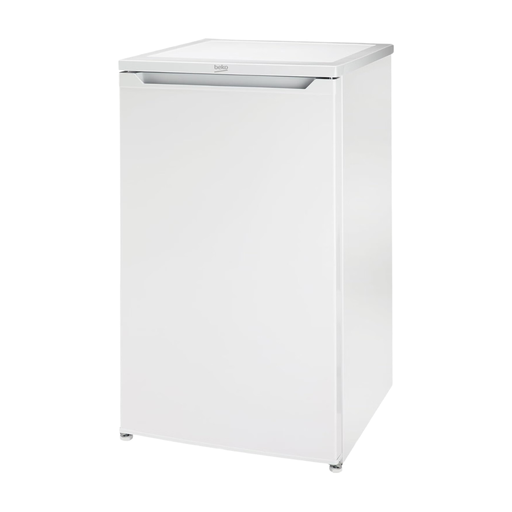
Beko TS190040N freestanding fridge, 88 l
A freestanding option if you’re looking for a compact fridge without a freezer compartment for cream and a few lunchboxes.
88 l; reversible door; energy efficiency class E.
View at Joybuy
 No image available
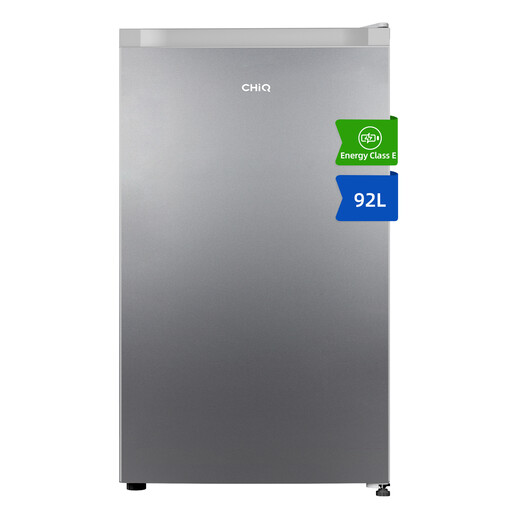
CHiQ JR92DSE fridge, 92 l
A compact option if you need space for cream and prepared meals, and want to check the fridge’s width against the space available.
92 l; 47 cm wide; 7 temperature settings; energy efficiency class E.
View at Joybuy
Frequently asked questions
How long can you use an opened carton of cream?
There’s no single number of days that applies to every carton of cream. Follow the storage and use instructions on the specific pack. The best-before date assumes the pack is unopened and has been stored correctly. The German consumer advice centre recommends following the information on the packaging.
Is your fridge at home enough to keep a lunch containing cream chilled while you’re out?
No, not if the meal needs to be kept chilled until you eat it. The German Federal Institute for Risk Assessment recommends keeping perishable foods chilled while you’re out, too. So plan how to transport and store your lunch at your destination separately from your fridge at home.
What should I measure before positioning a table-top fridge?
Measure the available space and check the door swing, as well as the installation instructions for the specific model. According to the manufacturer, the Beko TS190040N has a reversible door; don’t assume this feature applies to other models without checking.
What information can help me compare energy consumption?
Compare the consumption in kWh per year shown on the EU energy label for models with enough capacity for your needs. You can use your own electricity tariff to work out estimated annual costs. The German consumer advice centre lists annual consumption as information provided on the energy label.
Can I put an old fridge in household rubbish in Germany?
No. The German Federal Ministry for the Environment classifies fridges and freezers as waste electrical equipment and explains the take-back obligations that also apply to online retailers. Before buying, check what return or collection options are available for your specific old appliance.


