If you only need to chill desserts and already have a freezer, choose a fridge based on the space your moulds actually need. If you plan to freeze the batch in the same appliance later, compare fridge freezers by their separate fridge and freezer capacities. For regularly large batches, a separate freezer may be worth considering. The German Federal Institute for Risk Assessment recommends storing perishable ingredients at between 2 °C and 7 °C.
Who should consider this buying decision?
Preparing desserts in advance
If you’re storing several perishable desserts before using them, you’ll need enough fridge space and a temperature you can control. The German Federal Institute for Risk Assessment recommends keeping perishable foods at between 2 °C and 7 °C.
Freezing a batch of desserts
If you plan to freeze chilled portions later, assess the fridge space and freezer capacity separately. The German consumer advice centre recommends choosing a suitably large freezer if you regularly freeze larger quantities.
Balancing space and appliance needs
If you need to store moulds and supplies, compare the space available with the appliance dimensions, and check that its capacity meets your actual needs. The German consumer advice centre recommends paying particular attention to the size you need when choosing an appliance.
What should you look for when buying?
Fridge with a separate freezer
A good fit if: you mainly need space to chill several moulds and already have somewhere to freeze them later.
The trade-off: Without a separate freezer, this won’t cover the full chilling and freezing process.
Fridge freezer
A good fit if: you want one appliance to hold both dessert moulds in the fridge and planned portions in the freezer.
The trade-off: The freezer takes up space that could otherwise be used for chilling. For large batches, also consider freezing capacity and drawer layout.
Fridge plus a separate freezer
A good fit if: you regularly freeze larger quantities at once and a fridge freezer doesn’t offer enough capacity.
The trade-off: The extra appliance needs more space and should match your actual freezing needs.
The German Federal Institute for Risk Assessment recommends a fridge temperature of between 2 °C and 7 °C for perishable foods. Alongside the capacity figures, check whether your covered moulds will fit on the usable shelves.
| Priority |
What to look for when buying |
Who will find this particularly important? |
| Chilling safely |
Set and check the temperature; check that the shelves can accommodate covered moulds. |
If I’m storing perishable desserts temporarily, I want to be able to control the temperature and fit the moulds in easily. Around 33% of consumers put safe chilling first. |
| Freezer capacity for the batch |
Compare freezer capacity and drawer layout, as well as freezing capacity for larger quantities. |
If I want to freeze a whole batch later, I check whether the portions and containers will fit in the freezer. Around 27% of consumers prioritise freezer capacity. |
| Space for moulds in the fridge |
Compare mould dimensions with the usable shelf width and height, as well as the appliance’s external dimensions. |
If I need to chill several moulds at once, usable shelf space is what matters most to me. Around 20% of consumers prioritise space for moulds in the fridge. |
| Space and energy use |
Check the external dimensions, separate usable capacities and annual energy consumption on the EU energy label. |
If I only want to buy the space and capacity I actually need, I compare the floor space required with annual energy consumption. Around 20% of consumers put this balance first. |
Avoiding common buying mistakes
-
Assuming total capacity means there’s room for dessert moulds
In a fridge freezer, capacity is split between the two compartments. Even the stated fridge capacity won’t tell you whether a wide mould will fit on a single shelf.
Check the fridge and freezer capacities separately, then compare the largest covered mould with the usable internal dimensions.
-
Relying on a fridge without a freezer for the whole batch
Chilling and freezing are separate steps. An appliance without a freezer won’t be able to freeze the batch later.
Before you buy, decide where you’ll freeze the whole batch.
-
Using an energy-saving mode without checking the temperature
Samsung notes that the temperature in model RB53DG703CS9EF may rise under certain settings when AI Energy Mode is used.
For perishable desserts, check the actual temperature inside the appliance rather than relying on the name of an energy-saving mode.
Key brands to consider
Liebherr
The freestanding Rd 4200 Pure fridge is an option if you only need refrigeration and already have another way to freeze your desserts.
- Liebherr lists a total capacity of 247 l and external dimensions of 125,5 × 59,7 × 67,5 cm for the Rd 4200 Pure.
- This model has no freezer compartment. The manufacturer’s EasyFresh feature for fruit and vegetables doesn’t indicate any particular suitability for desserts.
Bosch
The KGN33NWEB fridge freezer lets you plan to chill and freeze in one appliance.
- Bosch lists 193 l of fridge space, 89 l of freezer space, Total No Frost, 237 kWh/year and 42 dB(A) for this model.
- The capacity figures alone don’t tell you whether wide moulds or a whole batch will fit. Check the shelves and freezing capacity on the specific appliance.
Samsung
The RB53DG703CS9EF is a wider fridge freezer for households with enough space for a larger appliance.
- Samsung lists a total capacity of 538 l and external dimensions of 759 × 2030 × 711 mm.
- Samsung says that the AI Energy Mode can raise the fridge temperature under certain settings. Check the actual temperature when storing perishable desserts.
Beko
The B5RCNA346HW fridge freezer is listed as 59,5 cm wide, with the freezer compartment at the bottom.
- Beko lists No Frost, energy efficiency class C and a reversible door for this model.
- Claims about the benefits of separate cooling circuits come from the manufacturer and aren’t independent proof that the appliance is suitable for a particular batch of desserts.
Joybuy products for chilling and freezing
The following Joybuy products are fridge freezers for households that want to chill desserts first, then freeze them in the same appliance.
 No image available
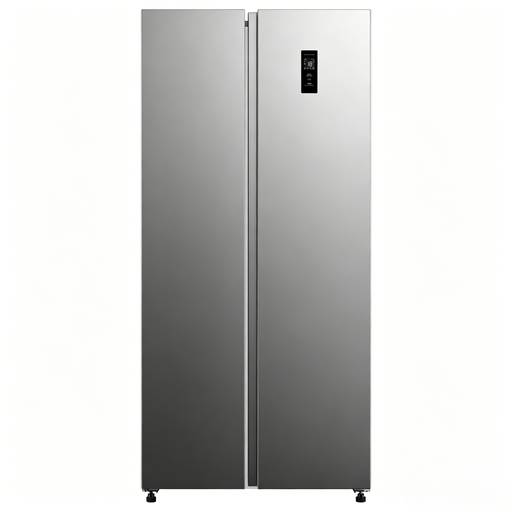
Sonlu CC-520WE 444L side-by-side fridge freezer
Could suit you if you want to combine fridge and freezer storage in one appliance. Check your mould sizes and batch quantity against the interior space.
444L; 83cm wide; No Frost; 276L fridge space and 168L freezer space; digital temperature control; 40dB; energy class E.
View at Joybuy
 No image available
CHiQ JR263LGE 262L Low Frost fridge freezer
Could work for a batch of desserts if the stated external dimensions and interior space suit your moulds and portions.
262L; 54cm wide; 176cm high; Low Frost; 70/30 split; black.
View at Joybuy
 No image available
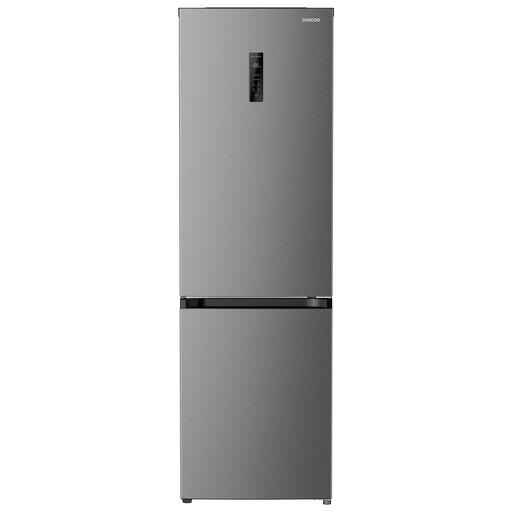
Coocaa SRD-489CBEP 344L fridge freezer
Could suit you if you want to use the fridge and freezer together. Check that your moulds and planned batch will fit in the respective compartments.
344L; Total No Frost; Super Freezer and Super Cool; electronic temperature control; energy class E.
View at Joybuy
 No image available
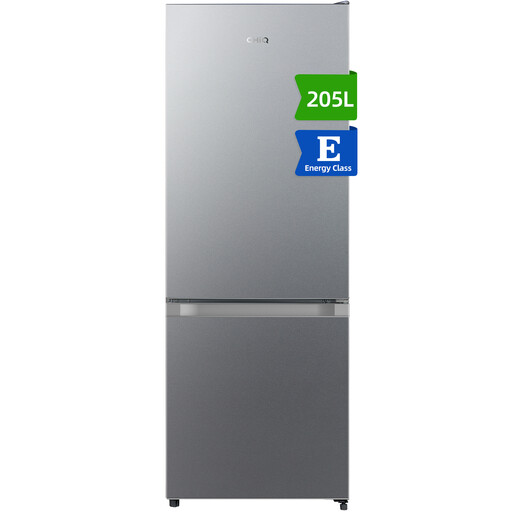
CHiQ JR205LSE 205L Low Frost fridge freezer
Could be an option for more compact fridge and freezer needs. Compare the stated appliance dimensions with the space you have available.
205L; 153L fridge space and 52L freezer space; Low Frost; five cooling modes; reversible door; energy class E.
View at Joybuy
 No image available
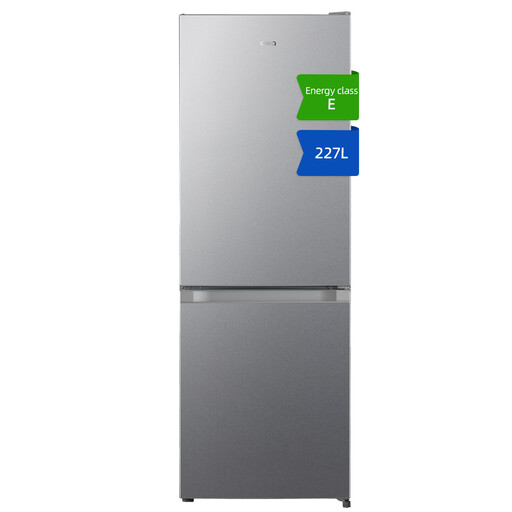
CHiQ JR227LSE 227L Low Frost fridge freezer
Could suit you if you want to chill dessert moulds and freeze portions. Check the shelves and freezer space against the containers you plan to use.
227L; 153L fridge space and 74L freezer space; 4-star freezer rating; 54cm wide; adjustable fridge shelves; reversible door; energy class E.
View at Joybuy
Frequently asked questions
Can I store freshly made perishable desserts in the fridge first?
Yes. The German Federal Institute for Risk Assessment recommends storing perishable foods at between 2 °C and 7 °C and cooling hot food quickly to below 7 °C. This doesn’t mean that every recipe will keep for the same length of time.
What temperature should a freezer be set to?
The German consumer advice centre recommends −18 °C as the optimum temperature for freezers. If you want to freeze larger batches of fresh food, also check how much the specific appliance can freeze within 24 hours.
What label should I look for when buying a household fridge in Germany?
EU energy labelling requirements apply to covered household refrigeration appliances. The European Commission and EUR-Lex describe the A to G scale used since 1 March 2021. The label includes information such as annual energy consumption, capacity and noise level.
What should I do with my old fridge?
Electrical appliances must not go in household waste. The German Environment Agency lists local collection points and free take-back of a large old appliance when you buy a similar new one, including online purchases with delivery. Check the arrangements before placing your order.


