Choose a fridge based on how much chilled storage you need, and check that dessert containers will fit on the shelves alongside the rest of your weekly shop. Also consider the space available, door clearance and stated annual energy consumption. A fridge without a freezer won’t suit you if you need extra freezer space; a fridge-freezer gives you both compartments, while an integrated model requires a suitable niche and door fitting. For desserts that spoil easily, chilled transport, the packaging instructions and the actual storage temperature are all essential.
Who is this fridge for?
People buying chilled desserts at the market
If you bring home milk- or cream-based desserts from the market, you’ll need space to store them covered and separately. Following the packaging instructions and keeping them cool on the way home matter more than convenience features, according to the German Federal Institute for Risk Assessment and the Federal Centre for Nutrition.
Households with a full weekly shop
If you need to fit dessert boxes in alongside other fresh food, usable fridge space and suitable shelves matter more than the total capacity alone. The Consumer Advice Centre recommends taking the size of appliance you need into account when choosing.
People with a fixed space in the kitchen
If you’re limited to an existing space or niche, check the design, external dimensions and door clearance for the specific model. Manufacturers’ dimensions and installation requirements vary from one appliance to another, including models from Beko, Siemens, Bosch and Amica.
What should you look for when buying?
| Buying priority |
What to check |
Who is this particularly important to? |
| Safe storage |
Check the packaging instructions, keep food chilled during transport and check the temperature inside the fridge when it’s stocked. For food that spoils easily, the German Federal Institute for Risk Assessment recommends 2 °C to no more than 7 °C. |
When I bring home desserts that need to be kept chilled, I want to store them according to the packaging instructions and keep them cold for as much of the journey as possible. Around 33% of consumers put safe storage first. |
| Fridge space for the shop |
With a fridge-freezer, compare the fridge and freezer capacities separately. Check shelf height and available space against your usual dessert containers; the Consumer Advice Centre also highlights the link between appliance size and energy consumption. |
When I do a full weekly shop, I want to fit dessert boxes in alongside other fresh food without relying on the total capacity in litres. Around 27% of consumers prioritise space for desserts and other fresh food. |
| Fit in the kitchen |
Check the external dimensions, niche size, door swing and door hinge position. For integrated or under-counter appliances, also check the hinge and furniture door type against the model specifications. |
If the kitchen space is fixed, I need an appliance whose dimensions and door clearance suit the space available. Around 20% of consumers put kitchen fit first. |
| Ongoing energy consumption |
For new fridges on the EU market, compare the A to G efficiency scale and annual consumption in kWh. The Consumer Advice Centre recommends choosing an appliance size that suits your needs; your own electricity tariff also matters when comparing running costs. |
If I want to keep an eye on running costs, I compare the annual consumption of appliances that meet my space requirements. Around 20% of consumers prioritise energy consumption. |
Which buying mistakes should you avoid?
-
Assuming total capacity means usable fridge space
In a fridge-freezer, some of the total capacity is taken up by the freezer compartment. Shelves in the fridge can also limit the height available for dessert boxes.
Compare the stated fridge capacity separately and check the shelves and available height against your usual packaging before choosing a larger appliance.
-
Choosing an integrated appliance based on external dimensions alone
The right appliance height doesn’t guarantee that the niche, hinge and furniture door will all fit together, or that the door will open far enough.
Check the niche dimensions, hinge type, furniture door and door swing against the model drawing. A poor fit can mean extra work.
-
Assuming NoFrost or a freshness compartment will keep food fresh for longer
These appliance features don’t replace the storage instructions for a particular dessert, chilled transport or checking the temperature.
Consider each feature only for its stated purpose, and check the storage conditions in the space where you plan to keep the appliance.
Which brands are worth considering?
Liebherr
The RBsfc 5220 Plus BioFresh is an example of a spacious freestanding fridge without a freezer compartment.
- According to the manufacturer: 382 l total capacity, 34 dB, a fruit and vegetable compartment, and SuperCool.
- The BioFresh compartment isn’t general storage guidance for ready-made desserts. External dimensions: 185,5 × 59,7 × 67,5 cm.
Beko
The B3RCNO256XB is a slim, freestanding fridge-freezer.
- According to the manufacturer: 54 cm wide, energy class C, NoFrost Dual Cooling and a reversible door.
- It measures 180 cm high and 57,6 cm deep. Check the fridge capacity and shelves separately to make sure they suit your containers; claims about odour separation are made by the manufacturer.
Siemens
The iQ500 KI31RADD1 is an integrated fridge without a freezer compartment, designed for a suitable niche.
- The manufacturer’s data sheet lists a fridge capacity of 165 l, annual consumption of 77 kWh and a noise level of 27 dB(A).
- There’s no freezer compartment. According to the manufacturer, the model requires a niche measuring 1025 × 560 × 550 mm; the energy consumption figure isn’t a measurement from a household.
Bosch
The Serie 6 KIL42ADD1 is an integrated fridge with a built-in freezer compartment.
- For this model, the manufacturer lists a fridge capacity of 172 l, annual consumption of 118 kWh, a noise level of 27 dB(A) and a door-open alert.
- The freezer compartment takes up space inside the appliance. The flat hinge and installation dimensions must suit your existing kitchen.
Amica
The UKSD 361 951 is a compact under-counter fridge with a low-temperature compartment.
- The manufacturer lists external dimensions of 49,5 × 81,5 × 55,5 cm, energy class E and static defrosting.
- The compact design may limit space if you have several large dessert boxes. Check the usable capacity and niche fit for the specific appliance.
Fridge-freezers at Joybuy
This selection features freestanding fridge-freezers with a separately stated fridge compartment. They’re suited to households looking to store chilled desserts and other fresh food alongside frozen items.
 No image available
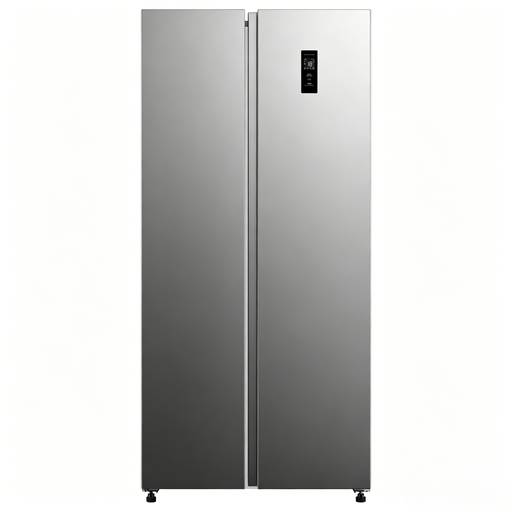
Sonlu CC-520WE side-by-side fridge-freezer
Worth considering if you need fridge and freezer space in one freestanding appliance and have room for its width.
83 cm wide; 444 l total capacity, including 276 l of fridge space and 168 l of freezer space. No Frost, 40 dB and energy class E.
Joybuy
 No image available
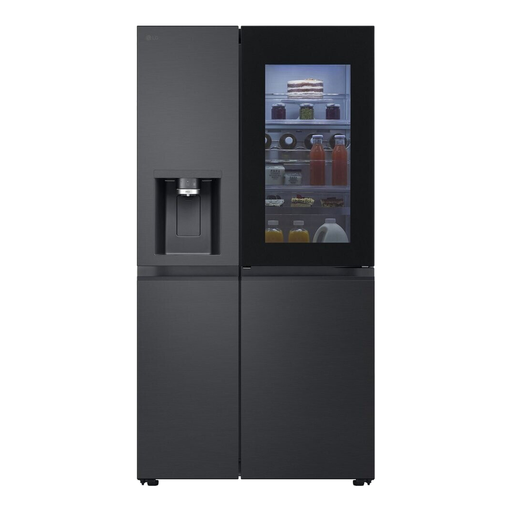
LG GSXB90EVDD InstaView side-by-side fridge-freezer
Could suit households that need plenty of fridge space, provided there’s enough room for this wide appliance and its doors to open.
628 l total capacity, including 407 l of fridge space and 221 l of freezer space. External dimensions: 179 × 91,3 × 73,5 cm.
Joybuy
 No image available
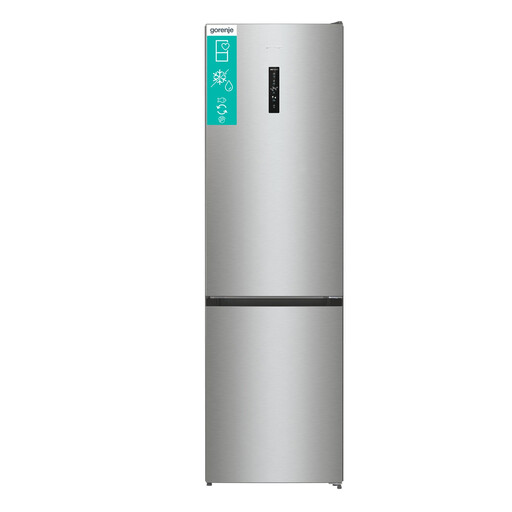
Gorenje NRK620CA2XL4 fridge-freezer
A freestanding fridge-freezer for households looking to fit both chilled and frozen food into one appliance. Check its overall size against your actual needs.
331 l total capacity, energy class C and 35 dB. The product specifications list AdaptTech, NoFrost Plus, Convert FreshZone and a CrispZone with humidity control.
Joybuy
 No image available
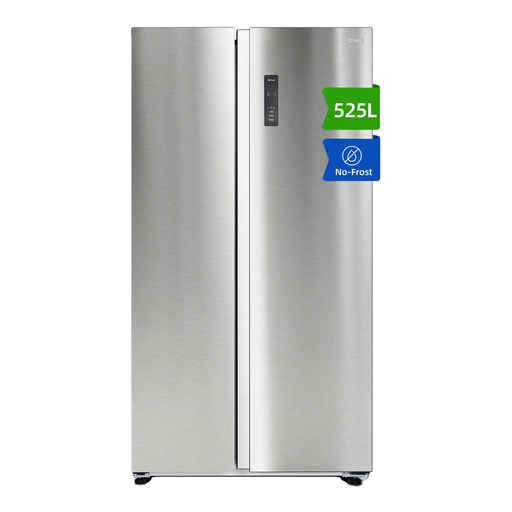
CHiQ JR525WSE side-by-side fridge-freezer
Worth considering if you want separately stated fridge and freezer compartments and have enough room for a side-by-side design.
525 l total capacity, including 333 l of fridge space and 192 l of freezer space. No Frost, 37 dB and energy class E; with touch controls and a reversible door.
Joybuy
 No image available
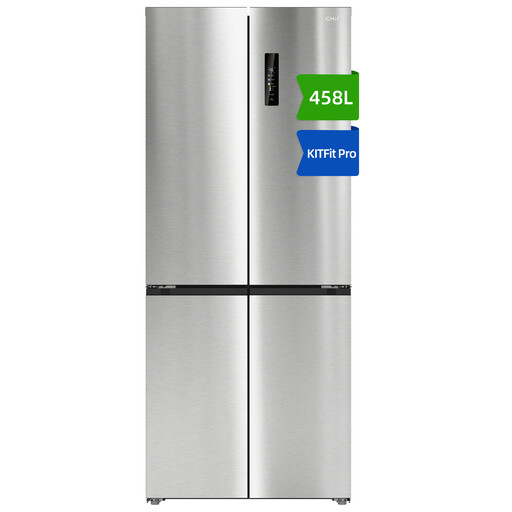
CHiQ JR460WSE Cross-Door fridge-freezer
Could suit you if you need fridge and freezer space in one appliance and the planned installation space works with the True-Flush design.
458 l total capacity, including 300 l of fridge space and 158 l of freezer space. No Frost, 37 dB and energy class E; the product specifications state that a 4 mm side clearance is required for installation.
Joybuy
Frequently asked questions
Is a freshness compartment just above 0 °C suitable for every market-bought dessert?
No. Always follow the storage instructions for the specific dessert. The German Federal Institute for Risk Assessment recommends a general temperature of 2 °C to no more than 7 °C for food that spoils easily; a freshness compartment described by the manufacturer doesn’t replace checking the packaging instructions for your particular product.
What should I do between the market stall and the fridge?
Take food that needs to be kept chilled home as quickly as possible and put it straight in the fridge. The Federal Centre for Nutrition recommends using a cool bag for food that spoils easily, particularly in hot weather. Food in the fridge should be covered and stored separately.
How can I compare the energy consumption of different fridges?
First, compare appliances that meet your space and fridge capacity requirements, using the kWh per year shown on the current EU energy label. To estimate your own running costs, compare the annual consumption with your electricity tariff. Older fridges may still show plus-rated energy classes, which have not been used for fridges since 2021.
Are new purchases covered by a statutory guarantee?
Yes. According to Your Europe, when you buy a new product from a business seller in the EU, the statutory two-year guarantee starts when you receive the product and is your right against the seller. A voluntary manufacturer’s guarantee does not replace this statutory guarantee.


