What should you look for when buying?
The German Federal Institute for Risk Assessment recommends cooling cooked food quickly to no more than 7 °C. When choosing an appliance, it’s therefore important to consider the fridge space you can actually use, the layout and whether it will fit in the space available.
| What matters when buying |
What to check |
Who should consider this? |
| Reliable cooling |
Check the temperature controls and usable shelves, and measure the temperature where you plan to store food. |
If I want to store cooked pasta quickly and at a suitably low temperature, the actual temperature matters more than a convenience feature. Around 36% of consumers put reliable cooling first. |
| Space for portions |
Look at fridge capacity separately from freezer capacity and check it against the dimensions of your containers. |
If I need to fit several shallow containers for a family meal, accessible fridge space matters more than a large total capacity figure. Around 29% of consumers put space for portions first. |
| Energy consumption |
For appliances with enough fridge space, compare annual consumption in kWh and the EU energy efficiency class. |
If I’m choosing an appliance for year-round use, I want to weigh its energy consumption against the usable capacity. Around 21% of consumers put running costs first. |
| Fit in your kitchen |
Check the height, width and depth, the route for moving it and the space needed to open the door. |
If space is tight in my kitchen or along the route to its final position, the appliance must fit and remain accessible. Around 14% of consumers say how well it fits is the deciding factor. |
Product suggestions from Joybuy
These product suggestions include fridge-freezers in different widths, as well as a fridge without a freezer compartment. Check the stated compartment capacities and dimensions against your space requirements. Appliance specifications don’t prove that cooked pasta will quickly reach the recommended storage temperature.
 No image available
LG GBBS727AEV Fit&Max, 375 l, black
For households that need freezer space as well as room for chilled family-sized portions.
Fridge: 262 l; freezer: 113 l. Width: 59,7 cm. Energy efficiency class A.
View at Joybuy
 No image available
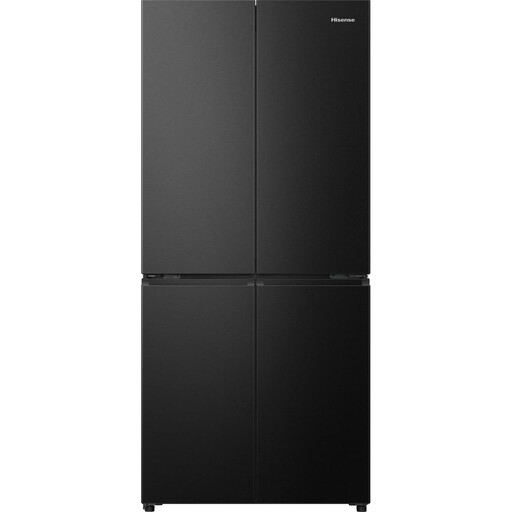
Hisense RQ5P470SAFD, energy efficiency class D
For shoppers looking for separate fridge and freezer compartments in a freestanding appliance.
Fridge: 304 l; freezer: 179 l. The description lists a convertible zone from −18 °C to +5 °C.
View at Joybuy
 No image available
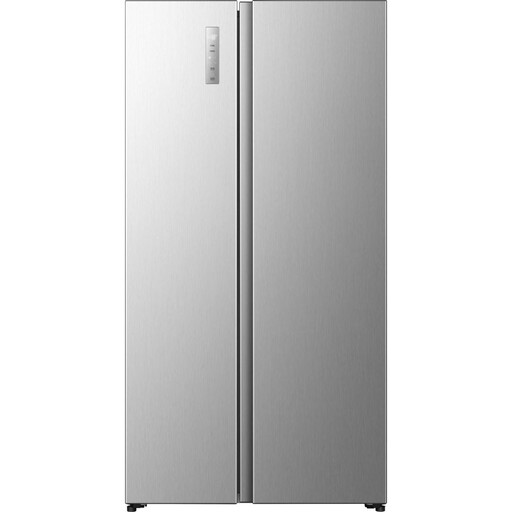
Hisense RS3P558NEIE, energy efficiency class E
For households with room for plenty of fridge space and a separate freezer compartment.
Fridge: 347 l; freezer: 197 l. Appliance width: 911 mm.
View at Joybuy
 No image available
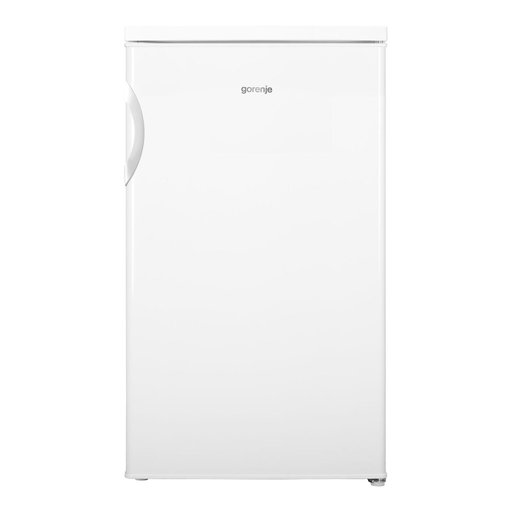
Gorenje G200 R49DPW, 133 l
If you don’t need a freezer compartment in the appliance, all of its stated usable capacity is available for chilled food.
Fridge: 133 l; five shelves. Appliance width: 56 cm. Energy efficiency class D.
View at Joybuy
 No image available
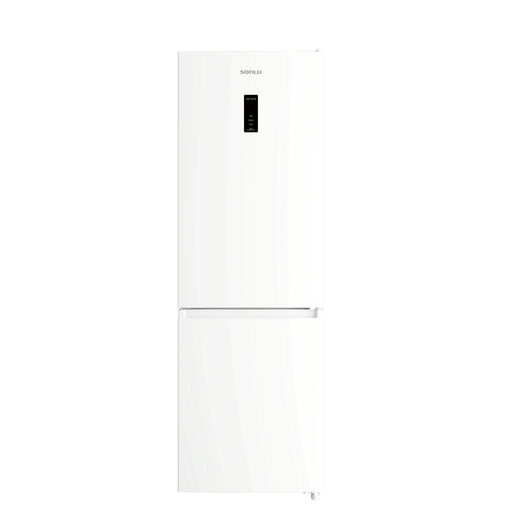
Sonlu CD-350RW, 310 l, 60 cm
For households looking for a 60 cm-wide appliance with separate stated capacities for the fridge and freezer.
Fridge: 211 l; freezer: 99 l. Electronic temperature control. Energy efficiency class E.
View at Joybuy
Frequently asked questions
How should I store cooked pasta to eat later?
Divide larger quantities into shallow portions so they cool quickly, then store the leftovers in the fridge at a suitably low temperature. The German Federal Institute for Risk Assessment recommends eating leftovers from cooked food within two to three days. This is a food hygiene recommendation, not a guarantee that every dish will keep for that long.
Can a freshness drawer make improperly stored pasta safe again?
No. It’s important to cool food quickly and store it appropriately from the outset. The German Federal Institute for Risk Assessment notes that spores can survive typical heat treatment, and that a toxin produced by Bacillus cereus can be particularly heat-resistant.
How can I check the stated energy consumption before buying?
The EU energy label for household refrigeration appliances shows, among other things, the energy efficiency class, annual consumption in kWh, fridge and freezer capacities, and noise emissions. Compare these details after checking that there’s enough fridge space for your needs.
What should I know about disposing of an old fridge when replacing it?
An old appliance must be taken to a separate collection point for electrical waste; it shouldn’t go in household rubbish. Retailers have legal requirements to meet when taking back old appliances. The consumer advice centre explains that larger appliances can be taken back when you buy a corresponding new one. Before ordering, check whether collection and, if needed, connection are included.


