What to look for when buying
First, check that your largest dessert dish or cake will fit. Then compare the fridge and freezer space you need, as well as the energy consumption of appliances that are the right size for you.
| Priority |
What to check when buying |
Who it matters most to |
| Safe chilling |
Check the temperature controls and whether there’s room for a thermometer; chill desserts according to their storage instructions. |
If I’m preparing perishable desserts, I want to follow their storage instructions and check the temperature where they’ll be stored. Around 36 % of consumers prioritise safe chilling. |
| Room for food |
Compare fridge space separately from freezer capacity, and check that your dishes will fit in the usable interior space. |
I need room for a cake or several dishes, as well as the weekly shop. Around 29 % of consumers prioritise having extra space. |
| Adjustable shelves |
Check the adjustment range and load capacity of the shelves on the specific model, as well as the dimensions of your dishes. |
If I have tall jars or a cake under a cake dome, I want to be able to arrange the shelves to suit. Flexible shelving is the top priority for around 21 % of consumers. |
| Running costs |
For suitable appliances, compare the kWh/year figure on the EU energy label and take your electricity tariff into account. |
If the fridge runs every day, I want its capacity and energy consumption to match my actual needs. Around 14 % of consumers prioritise low running costs. |
Joybuy models for fridge and freezer space
The Joybuy models below are fridge-freezers for households that need space for desserts as well as extra freezer capacity. Compare the stated fridge capacity separately from the total capacity, and check that your dishes will fit inside.
 No image available
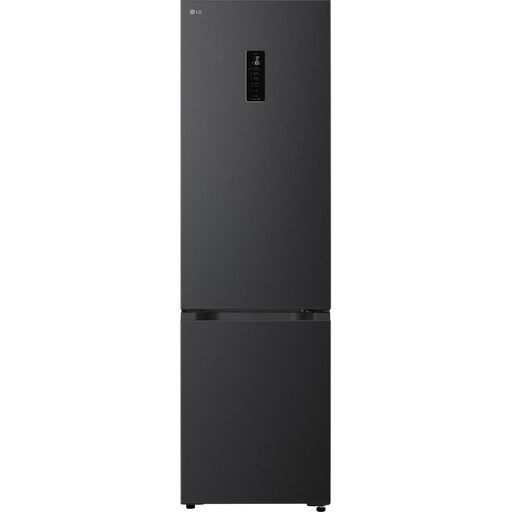
LG GBBS727AEV Fit&Max, 375 l, energy class A, black
Could be a good fit if you need to chill other food as well as desserts and want adjustable temperature controls.
375 l total capacity, including 262 l of fridge space, with a 0° zone. The product description states that the Zero-Clearance+ design allows the door to open to 110° and includes front ventilation.
View at Joybuy
 No image available
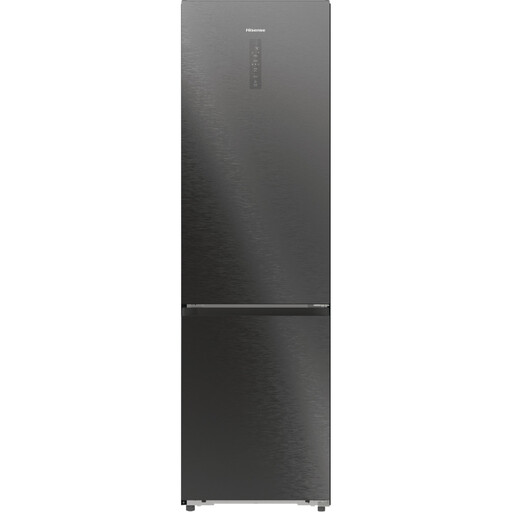
Hisense RB5P410SAFC
A possible choice if you’re looking for a larger fridge compartment alongside a freezer and electronic temperature controls.
413 l total capacity, including 283 l of fridge space. The product specifications recommend +4 °C for the fridge and state that at least 5 cm of clearance is needed at the sides and rear for ventilation.
View at Joybuy
 No image available
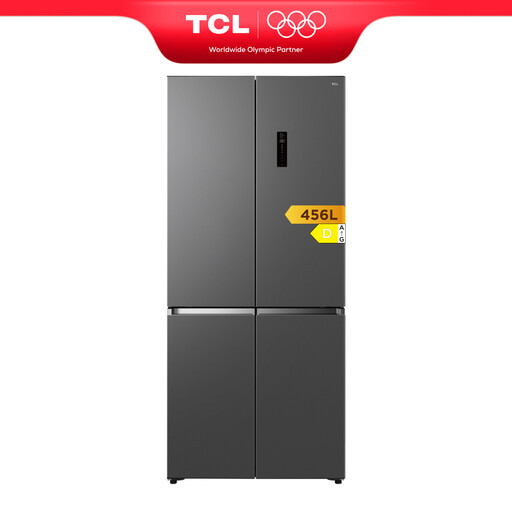
TCL Free Built-In® Series RC593CSD0DE, 456 l
The stated fridge capacity could suit households that want to store desserts alongside other food.
456 l total capacity, including 312 l of fridge space, 66 l of freezer space and a 78 l variable zone. The product title gives an energy class of D, while the description lists Power Cool & Freeze.
View at Joybuy
 No image available
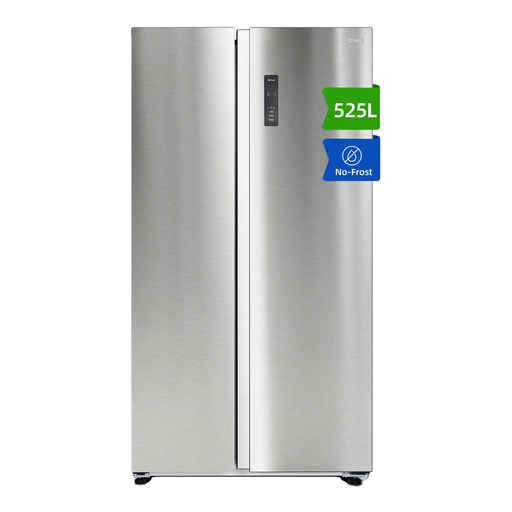
CHiQ JR525WSE, side-by-side, 525 l, energy class E
Could be worth considering if you need separate fridge and freezer compartments and a large stated fridge capacity.
525 l total capacity, including 333 l of fridge space and 192 l of freezer space. The product title lists 37 dB, while the product specifications include touch controls and a Super-Cool function.
View at Joybuy
 No image available
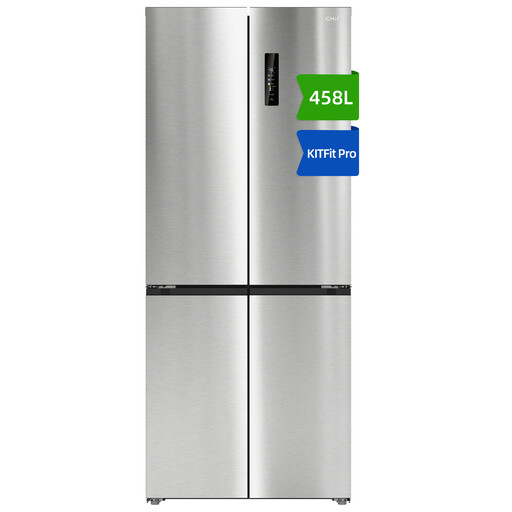
CHiQ JR460WSE, cross-door, 458 l, energy class E
A possible option if you need 300 l of stated fridge space alongside a separate freezer compartment.
458 l total capacity, including 300 l of fridge space and 158 l of freezer space. The product description states that the True-Flush design needs 4 mm of clearance at the sides and releases heat downwards.
View at Joybuy
Frequently asked questions
What temperature should I use for desserts with perishable ingredients?
First, check the storage instructions for the specific food. The German Federal Institute for Risk Assessment gives a general food safety recommendation of between 2 °C and 7 °C for perishable food in the fridge. This isn’t a single legally required temperature for every household.
How should I store several desserts before serving?
Chill foods that need refrigeration promptly, cover them and leave space between items. Filling a shelf to the brim isn’t a reliable way to make room for extra dessert dishes.
How do I compare purchase and running costs?
Start by comparing appliances that will fit your available space and installation requirements. The EU energy label shows details including consumption in kWh/year and fridge and freezer capacities. To estimate your own running costs, multiply the annual energy consumption by your electricity price per kWh. Check delivery or installation services separately with the seller.
Can I put an old fridge in household waste in Germany?
No. According to the German Federal Ministry for the Environment, old electrical appliances must be handed over to an authorised organisation, such as a local collection point. Retailers have take-back obligations in certain circumstances; check the arrangements with your chosen seller before ordering.
Which energy efficiency scale applies to new fridges?
The EU energy label for the household refrigeration appliances it covers uses classes A to G. The European Commission introduced this scale on 1 March 2021; older A+, A++ and A+++ ratings aren’t current classes for comparing new models.


