When storing cheese portions and other fresh food, usable fridge space and a suitable place for the appliance are the main priorities; you don’t need a freezer compartment for this. A compact appliance may be enough if space is limited, while a larger fridge holds more chilled food. A fridge-freezer only makes sense if you also need extra freezer space. Follow the storage advice on each cheese packet and compare the specific model’s fridge capacity, annual energy consumption and dimensions.
Which fridge is right for you?
Hosts serving several types of cheese
If you want to store a variety of cheeses and leftovers before and after a meal, check the shelves and separate storage options. The Verbraucherzentrale recommends following the advice on each product’s packaging.
Households with limited kitchen space
If floor space is limited, check the appliance’s external dimensions, door opening and genuinely usable shelf space. The Verbraucherzentrale lists appliance size and energy consumption among the key factors to consider.
Households needing extra storage
If you regularly need to chill or freeze other food as well as cheese, the balance of fridge and freezer space should suit your needs. The Verbraucherzentrale recommends checking the capacity figures separately.
What should you consider when buying?
Compact fridge without a freezer compartment
Suitable if: you have limited space and mainly want to chill cheese portions and other fresh food.
Trade-off: It has less fridge space than a large freestanding model, and you can’t store frozen food in it.
Large fridge without a freezer compartment
Suitable if: you regularly need space for lots of other chilled food and have enough height and depth available.
Trade-off: Allow for more floor space and compare the specific model’s annual energy consumption.
Fridge-freezer or under-counter fridge with a freezer compartment
Suitable if: you regularly need to store frozen food as well as chilled food.
Trade-off: Check fridge and freezer capacities separately; a freezer compartment offers no extra benefit for storing cheese in the usual way.
| Buying priority |
What to look for |
Who it matters most to |
| Chilling and separate storage |
Temperature control and shelves; follow the storage advice for each type of cheese. |
If I want to store several types of cheese and leftovers hygienically apart, I look for suitable shelves and check the advice on the packets. Around 36 % of consumers prioritise suitable chilling and separate storage. |
| Fridge space when room is limited |
Check the external dimensions, door opening and usable fridge capacity. |
In a small kitchen, I want enough room for cheese and other fresh food without the appliance taking up too much space. Around 29 % of consumers prioritise suitable fridge capacity and dimensions. |
| Energy consumption during continuous operation |
Compare the specific model’s annual consumption in kWh and its fridge capacity. |
If the appliance runs all the time, I don’t want to judge its consumption by the energy efficiency rating alone. Around 21 % of consumers put running costs first. |
| Extra freezer space |
Consider freezer capacity separately from fridge capacity. |
If I also need to store frozen food, I check whether there will still be enough fridge space for cheese portions after allowing for the freezer section. Around 14 % of consumers prioritise extra freezer space. |
Common buying mistakes
-
Assuming the total capacity is all available for cheese
On models with a freezer compartment, the total capacity includes the freezer section too. This means the fridge space actually available may be smaller than you expect.
Compare the fridge capacity and usable shelves. EU energy labels list fridge and freezer capacities separately.
If there isn’t enough fridge space, you may need a larger appliance than you first thought.
-
Treating a freshness claim as a substitute for storage advice
Advertising claims about technology don’t, by themselves, show that every type of cheese will be stored appropriately.
Follow the advice on the packet and check the temperature at the intended storage location.
-
Comparing only the energy efficiency rating
The appliance’s size and annual energy consumption also matter when the fridge is running continuously.
Compare the figure in kWh/year on the energy label with the specific model’s fridge capacity.
Brands to consider
Beko
The freestanding TSE1424N is an under-counter fridge without a freezer compartment, designed for places where space is limited.
- Beko lists 128 l of fridge space, a width of 54 cm and a reversible door for this model.
- Make sure the limited fridge space meets your household’s overall needs.
Haier
The freestanding H4R306WAH1 is a large fridge without a freezer compartment, for households with greater refrigeration needs.
- Haier lists external dimensions of 600 × 742 × 1900 mm and an A energy efficiency rating for this model.
- Freshness or hygiene technology isn’t independent evidence that cheese will be safer or keep for longer.
Gorenje
The NRK620CA2XL4 is a freestanding fridge-freezer for households that need extra freezer space.
- The manufacturer lists dimensions of 200 × 60 × 59,2 cm and NoFrost Plus in the freezer compartment for this model.
- The freezer feature doesn’t offer a particular benefit for cheese in the fridge section; check both capacities separately.
Liebherr
The Rdgd 1401 Pure is an under-counter model with a small freezer compartment, for households that need some freezer space despite limited room.
- Liebherr lists external dimensions of 85 × 55 × 60,7 cm and a 4-star freezer compartment for this model.
- The stated total capacity of 111 l includes the freezer compartment, so it doesn’t represent the fridge space alone.
Fridge models for cheese portions
These Joybuy models range from compact fridges without a freezer compartment to a larger full-height fridge for households needing extra chilled storage.
 No image available
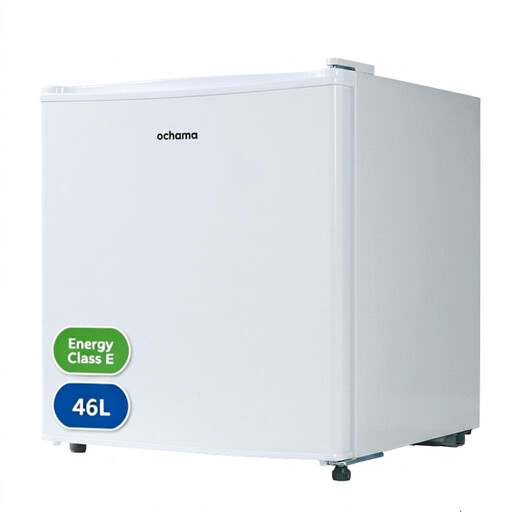
ochama fridge, 46 L, 2–8 °C
A compact option for places with limited space; the stated fridge capacity is 46 L.
46 L fridge capacity; temperature range 2–8 °C with 7-level control; adjustable glass shelf; daily energy consumption according to the product name: 0,35 kWh.
View at Joybuy
 No image available
TCL RF120DWE0 fridge, 90 L
The stated fridge capacity of 90 L offers room for cheese portions and other fresh food; check that the layout suits your containers.
90 L total capacity; fridge compartment 0–10 °C; mechanical control; three glass shelves; dimensions 449 × 485 × 842 mm; adjustable feet.
Continue to follow the storage advice on each cheese packet.
View at Joybuy
 No image available
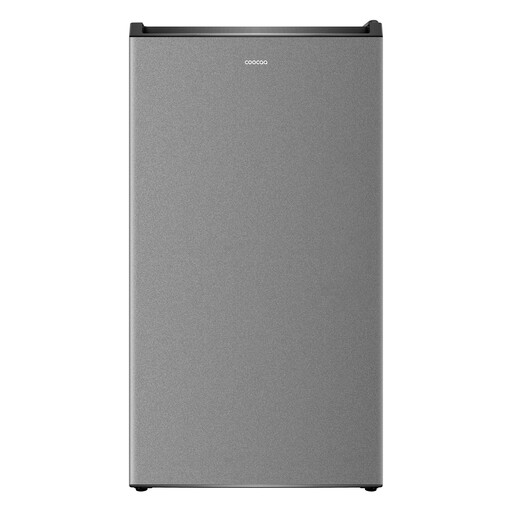
Coocaa SRS-120DTE fridge, 83 L
This compact fridge is designed for cheese portions and other fresh food; check whether 83 L is enough for your household’s other needs.
83 L fridge capacity; adjustable shelves and feet; temperature control.
View at Joybuy
 No image available
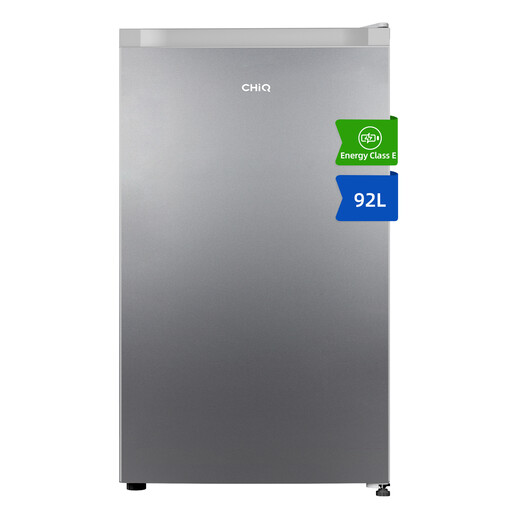
CHiQ JR92DSE fridge, 92 L
A compact option for several cheese portions and other fresh food; check the width and door opening at the intended location.
92 L; 47 cm wide; 7 temperature settings; separate chilled drawer; adjustable glass shelves; reversible door.
View at Joybuy
 No image available
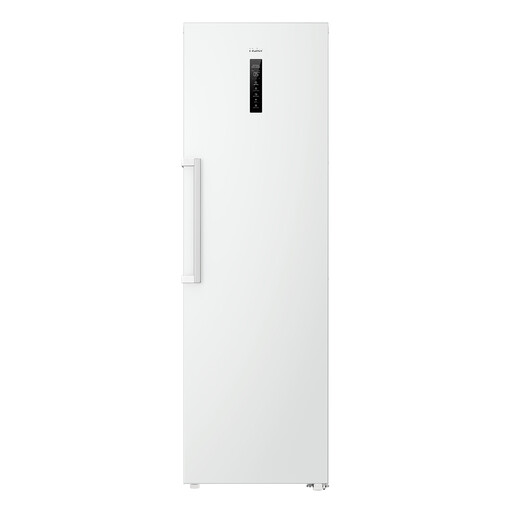
Haier H4R306WAH1 1D 60 Series 7 fridge
This larger full-height fridge is worth considering if you regularly need to store more chilled food as well as cheese portions, and have enough space for it.
301 L fridge capacity; dimensions 600 × 1900 × 742 mm; A energy efficiency rating; electronic control; temperature warning; adjustable glass shelves.
View at Joybuy
Frequently asked questions
Do I need a special freshness compartment for cheese portions?
A special freshness compartment isn’t a general requirement for storing cheese. Follow the advice on the relevant packaging and check that the food is properly chilled; an advertised compartment doesn’t replace these steps.
How should I store cut cheese and leftovers after a meal?
Store different types hygienically apart and follow the advice on their packaging. The Verbraucherzentrale advises against wrapping all cheese airtight, so it can continue to mature; food that needs to be kept chilled must still be stored at a sufficiently low temperature.
How can I compare the energy consumption of fridges?
Compare the annual consumption in kWh shown on the energy label alongside the fridge capacity and appliance size. This helps you look beyond the energy efficiency rating when models offer different amounts of fridge space.
Does a new domestic fridge in Germany need an energy label?
New refrigeration appliances covered by EU labelling rules are also required to display energy information when sold online. Check the label and product information sheet for the specific model; second-hand products are exempt from these labelling rules. This information is in line with the European Union’s Your Europe overview.
Is the full 111 l capacity of an under-counter model with a freezer compartment available for chilled food?
No, the stated total capacity may include both fridge and freezer space. Compare the separate capacity figures and base your plans for cheese portions on the actual fridge space.


