What should you look for when buying?
Fridge without a freezer
A good fit if: you’ll eat the portions soon or already have a separate freezer and need more fridge space.
The trade-off: the appliance doesn’t have its own freezer for portions you plan to eat later.
Fridge-freezer
A good fit if: you want to freeze some of the cooled portions and don’t have a separate freezer.
The trade-off: compare fridge and freezer capacity separately. The Verbraucherzentrale notes that larger appliances can use more electricity.
For cooked lentils, it’s important to cool them quickly and store them hygienically in covered containers. The German Federal Institute for Risk Assessment recommends quickly cooling hot food to below 7 °C if it’s to be stored for longer.
| What matters |
What to check before buying |
Who should pay particular attention? |
| Safe chilling |
Check the temperature setting, space for shallow covered portions and the temperature at the intended storage spot. |
When I store cooked lentils, I want to cool them quickly and keep them cold where they’re stored. Around 36% of consumers put safe chilling first. |
| Space for portions |
Check that the shelves fit your containers, and look at the fridge capacity and usable shelf dimensions. |
When I have several portions, I need shelves that fit and want to find containers quickly. Around 29% of consumers prioritise storage space for individual portions. |
| Freezer space |
Compare the freezer space you already have with what you actually need for portions planned for later. |
If I want to eat some portions later, having enough room to freeze them matters to me. Around 21% of consumers prioritise frozen food storage. |
| Space and energy consumption |
Check the external dimensions against the space available and compare kWh/year across appliances of a suitable size. |
If space is limited, I want an appliance whose dimensions and energy consumption suit my household. Around 14% of consumers prioritise space and energy consumption. |
Joybuy products for chilled portions and frozen reserves
This selection includes freestanding fridges without a freezer and fridge-freezers for chilled portions, with extra freezer space where needed.
 No image available
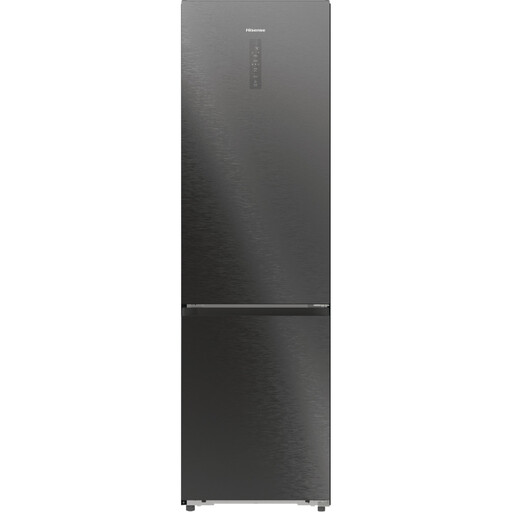
Hisense RB5P410SAFC fridge-freezer
The separate fridge and freezer compartments are worth considering if you want to set aside portions for meals soon and others for later.
283 l fridge capacity and 130 l freezer capacity; fast-cooling function; dimensions approximately 2030 × 595 × 658 mm; reversible door.
Joybuy
 No image available
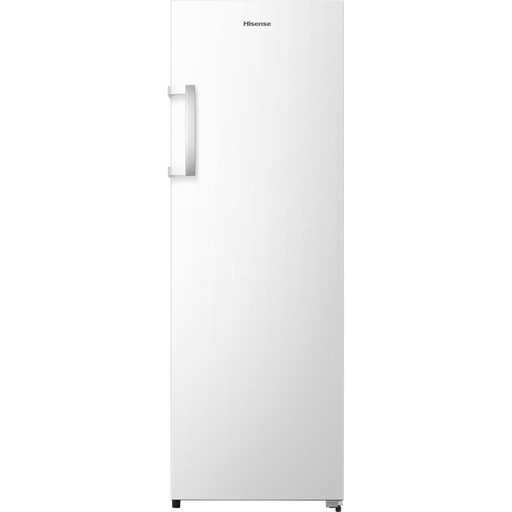
Hisense RL415N4AWC fridge
This fridge without a freezer is a good fit if you need space for chilled portions and already have freezer space elsewhere.
292 l fridge capacity and a 30-litre fresh food compartment; adjustable glass shelves; energy efficiency class C; dimensions approximately 1720 × 595 × 600 mm; reversible door.
Joybuy
 No image available
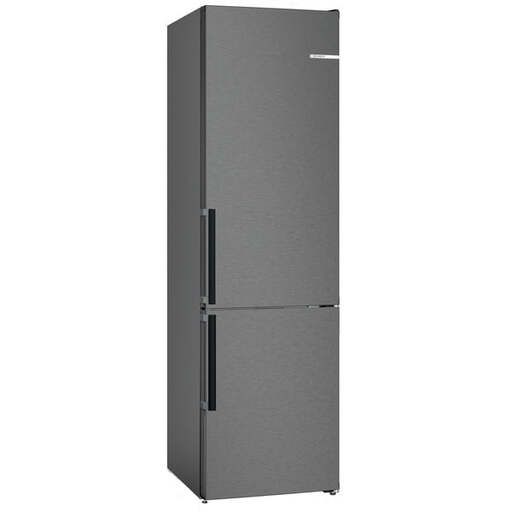
Bosch KGN39VXCT fridge-freezer
Separate fridge and freezer compartments let you chill portions you’ll need soon and freeze those you plan to eat later.
260 l fridge capacity and 103 l freezer capacity; three height-adjustable shelves; separate temperature settings for each compartment; dimensions 203.0 × 60.0 × 66.5 cm; reversible door.
Joybuy
 No image available
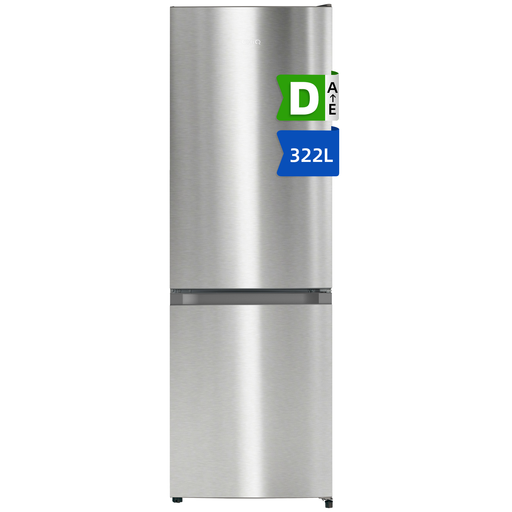
CHiQ JR318WSD fridge-freezer
This model has separate fridge and freezer compartments, so you can store portions you’ll need soon as well as food for later.
322 l total capacity, including 226 l of fridge space and 96 l of freezer space; three height-adjustable glass shelves; the stated temperature range for the fridge is 2–8 °C; energy efficiency class D. At 63.5 cm, the stated depth may extend beyond a 60-cm worktop run.
Joybuy
 No image available
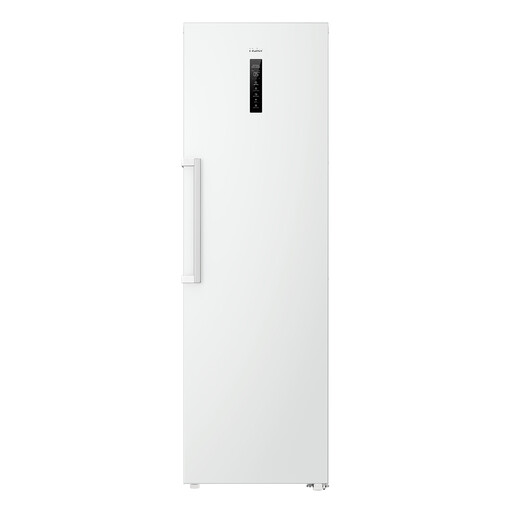
Haier H4R306WAH1 1D 60 Series 7 fridge
This fridge without a freezer is worth considering if you want to use the available appliance space for chilled portions and don’t need an integrated freezer.
301 l fridge capacity; adjustable glass shelves; dimensions 600 × 1900 × 742 mm; reversible door.
Joybuy
Frequently asked questions
How should I store cooked lentils if everyone is eating at different times?
If you’re storing hot food for longer, cool it quickly and keep the portions covered and stored hygienically. The German Federal Institute for Risk Assessment recommends refrigerating perishable foods at between 2 °C and a maximum of 7 °C. Before eating them again, heat the food to 70 °C throughout for at least two minutes. These food-safety recommendations aren’t a feature of any particular fridge model.
Do I need a fridge with a freezer for meals at different times?
No. A freezer compartment is only necessary if you want to freeze portions and don’t already have enough freezer space. Even with a freezer compartment, make sure the fridge has the right temperature and enough space for portions you’ll need soon.
What should I check before installing and while using the appliance?
Check that the external dimensions and interior layout suit your available space and containers. Once the appliance is installed, check the temperature where you’ll actually store the portions, and keep food covered and separate from raw foods. Also follow the manufacturer’s installation instructions.
Which energy label applies to a new fridge?
According to the European Union, the A to G scale without the old plus ratings has applied to fridges since 2021. Also compare the stated consumption in kWh/year and the capacity to make sure the appliance suits your needs.


