What to consider when buying
First, decide whether your current fridge is suitable for interim storage and whether you already have a freezer. The Federal Centre for Nutrition recommends keeping packaged grapes in the salad drawer. Its guidance of up to 14 days of freshness isn’t a guarantee for every batch.
Keep using your current fridge
A good fit if: The packaged grapes fit in the salad drawer without being squashed and you have a suitable freezer.
The trade-off: You don’t need an extra appliance for interim storage. Your fridge can only freeze the grapes if it has a suitable freezer compartment.
Fridge without a freezer compartment
A good fit if: You have a separate freezer but need more fridge space for grapes and other fresh food.
The trade-off: This appliance won’t provide freezer space for the batch. Its fridge capacity and dimensions need to suit your household and kitchen.
Fridge-freezer
A good fit if: You need fridge space for interim storage and a freezer compartment for the batch, all in one appliance.
The trade-off: The total capacity is split between the fridge and freezer compartments. If you want to freeze fresh food, check that the specific compartment is suitable.
Add a separate freezer
A good fit if: Your current fridge has enough space for fresh grapes and you regularly freeze larger quantities.
The trade-off: An extra appliance gives you dedicated freezer space, but takes up more room. The consumer advice centre recommends choosing a capacity that matches your actual needs.
| Buying priority |
What to check |
Who is this important to? |
| Keep grapes fresh before using them |
Usable space in the salad drawer and the rest of the fridge; check your appliance’s temperature if needed. |
If I need to store grapes alongside other fresh food until I use them, having a genuinely usable salad drawer matters to me. Around 33% of consumers make fresh-food storage their top priority. |
| Freeze the batch myself |
Check that the freezer compartment is four-star rated and has enough space for the prepared portions. |
If I don’t already have a suitable freezer, I want to be able to freeze the prepared batch in my new appliance. Around 27% of consumers prioritise having dedicated freezer space for this. |
| Choose an appliance and storage capacity to suit the kitchen |
Check the external dimensions, door clearance and manufacturer’s installation guidance against the available space; consider fridge and freezer capacities separately. |
If space is limited in my kitchen, I need dimensions that fit and enough usable storage inside. Around 20% of consumers prioritise the space an appliance takes up and its overall size. |
| Consider ongoing electricity use |
Compare the EU energy label and kWh/year for appliances of a suitable size; actual consumption also depends on installation and use. |
If electricity consumption matters to me, I want to choose an appropriately sized appliance with a clear annual consumption figure. Around 20% of consumers put running costs first. |
Joybuy products
The appliances below include fridges without freezer compartments and fridge-freezers for keeping grapes fresh before use and, where suitable, freezing the batch.
 No image available
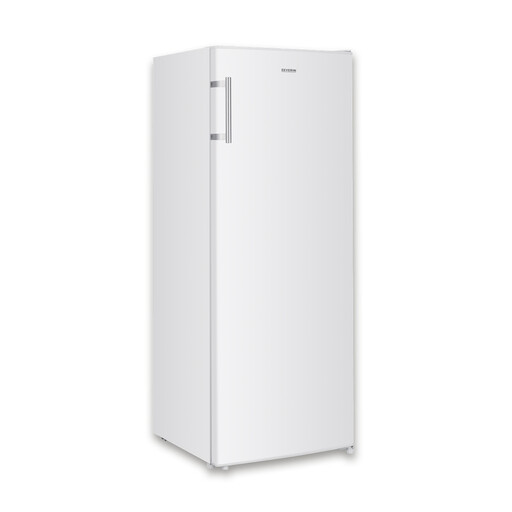
Severin VKS 8817 fridge without a freezer compartment
For keeping grapes fresh in the fridge when you have a separate, suitable freezer.
242 l of fridge space; large salad drawer; energy efficiency class D; 83 kWh/year.
Height 143 cm; reversible door. No freezer compartment.
View at Joybuy
 No image available
LG GBBSJ1CCPY fridge-freezer
For households that want to chill grapes and freeze the prepared batch in one appliance.
333 l total capacity, including 220 l of fridge space and 113 l of freezer space; four-star freezer compartment with fast-freeze function.
FRESHConverter+; Total No Frost; energy efficiency class C.
View at Joybuy
 No image available
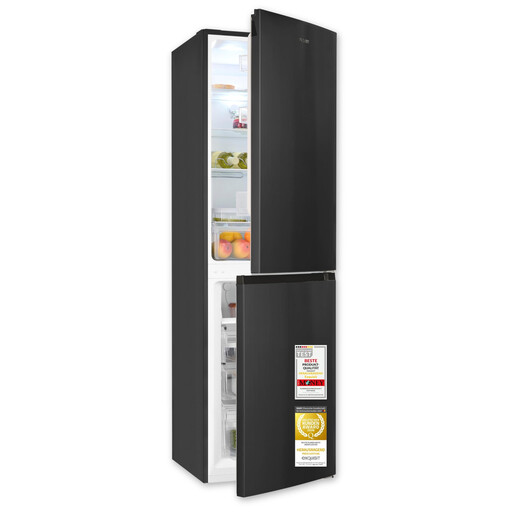
Exquisit fridge-freezer, 247 l
For households that want to chill fresh grapes and freeze a batch in the same appliance.
121 l of fridge space and 52 l of freezer space; four-star freezer compartment with a stated freezing capacity of 3,7 kg per 24 hours.
Dimensions: 142,5 × 49,5 × 56,0 cm; reversible door; No-Frost system and fast-freeze function.
View at Joybuy
 No image available
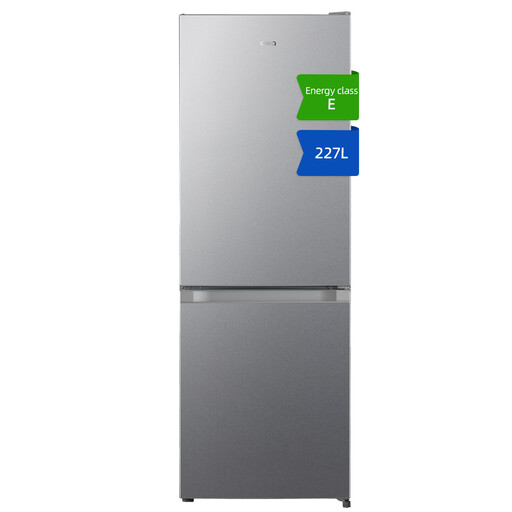
CHiQ JR227LSE fridge-freezer
For chilling grapes and freezing the prepared batch in one appliance.
227 l total capacity, including 153 l of fridge space and 74 l of freezer space; four-star freezer compartment.
54 cm wide and 55 cm deep; reversible door; Low Frost; energy efficiency class E.
Low Frost reduces ice build-up, but defrosting may still be necessary.
View at Joybuy
 No image available
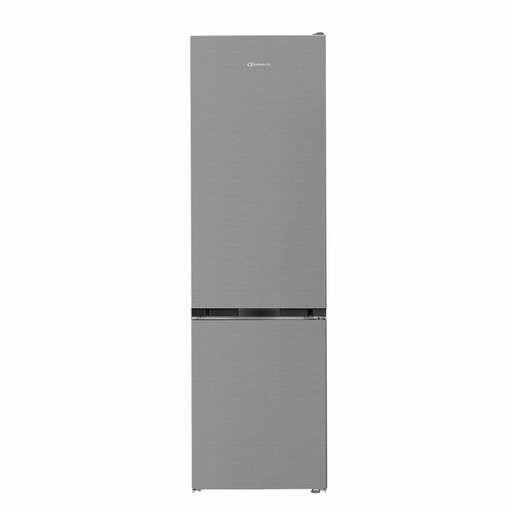
Bauknecht KDNF 203C IN fridge-freezer
For households that need fridge space as well as a dedicated freezer compartment for the prepared batch.
415 l total capacity, including 297 l of fridge space and 118 l of freezer space; four-star freezer compartment with a stated freezing capacity of 6 kg per 24 hours.
Dimensions: 2035 × 595 × 673 mm; FreshShield drawer; Total NoFrost; energy efficiency class C.
View at Joybuy
Frequently asked questions
How should I store grapes before freezing them?
The Federal Centre for Nutrition recommends keeping grapes packaged in the salad drawer, checking them regularly for damaged fruit and washing them shortly before use. Its guidance of up to 14 days isn’t a guarantee for every batch.
Is a three-star compartment suitable for freezing fresh grapes?
For the actual freezing process, the Federal Centre for Nutrition recommends a four-star compartment. In its guidance, three stars refer to longer-term storage of food that is already frozen. So check that the specific compartment is suitable for fresh food.
Will whole grapes stay as firm as fresh ones after thawing?
No, you shouldn’t expect them to: the consumer advice centre explains that whole grapes become mushy when thawed and lose their characteristic texture. Bear this in mind when deciding how you’ll use them, rather than choosing an appliance on the promise that it will preserve their fresh texture.
What should I compare when checking space and electricity use?
Check the external dimensions and fridge and freezer capacities against your available space and needs. Compare the annual consumption in kWh on the EU energy label, too. For an integrated appliance, you’ll also need to check the niche dimensions specified by the manufacturer. Actual consumption depends on installation and use as well.
What are the rules on energy labels and disposal?
Fridges and freezers use the EU energy label scale from A to G. The former Plus classes have not been used for these appliances since 2021. End-of-life electrical appliances must be handed over to an authorised collection or take-back service. Retailers’ take-back obligations apply under the conditions described by the Federal Ministry for the Environment.


